
SK Hynix's Post-SpaceX IPO: A New Era in the Memory Market
Güney Koreli yarı iletken devi **SK Hynix**, ABD piyasalarında gerçekleştirdiği **26.5 milyar dolar**lık halka arz ile piyasa tarihinde **SpaceX**'in
South Korean semiconductor giant SK Hynix has captured significant attention by completing the second-largest initial public offering in market history, raising $26.5 billion in its U.S. listing, trailing only SpaceX. This strategic move underscores the company's ambition to solidify its leading position in the global memory market and meet burgeoning demand.
Semiconductor Titan's Second-Largest IPO Wave
SK Hynix's Nasdaq debut on July 10 saw its shares surge 13%, securing a massive capital injection of $26.5 billion. This achievement places it directly behind SpaceX, which raised a record-breaking $75 billion last month in the largest IPO ever.
Critical Role in Global Memory Supply Chain
As the world's second-largest memory manufacturer after Samsung, SK Hynix commands a 29% market share in dynamic random-access memory (DRAM) and 18% in the NAND flash market. Crucially, the company leads the high-bandwidth memory (HBM) market with a 58% share. CEO Kwak Noh-Jung anticipates that the overwhelming demand for memory chips will continue unabated, with supply crunch expected to worsen in 2027.
Capacity Expansion and Massive Investment Drive
The $26.5 billion raised from the IPO will provide critical funding for SK Hynix's ambitious plans to expand its manufacturing capacity and build new facilities in South Korea. The company aims to double its wafer production capacity over the next five years and plans to invest over $700 billion in the long run.
The monumental IPO and capacity expansion by SK Hynix are pivotal for the global semiconductor supply chain dynamics. The anticipated surge in production of high-value technology products, especially high-bandwidth memory (HBM), presents significant opportunities for air cargo logistics. The distribution of such sensitive and time-critical items could influence global "Air Freight" pricing and positively impact the operational margins of passenger airlines. The new fabrication and packaging facilities will undoubtedly intensify cargo volumes, particularly on Asia-Pacific routes, further integrating and stressing logistics networks. This marks a strategic shift in the "air bridge" supply of technology products.
Related News & Analysis
View All →
The 1873 Silver Crisis: Birth of the Gold Standard and Its Echoes in Modern Monetary Policy
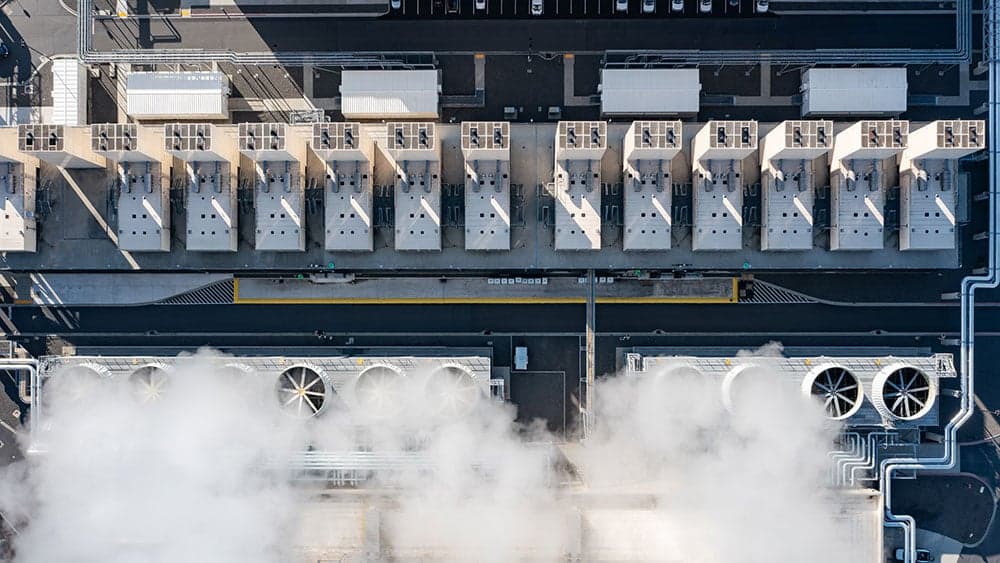
SLB's $4.1 Billion Data Center Deal Ignites Industry Growth

PDF Solutions (PDFS): Semiconductor Software Firm Delivers 52% Q2 Return in High-Beta Strategy
Money and History: Gillian Tett and Robin Wigglesworth's Evolution of Currency

Did Venezuela's Oil Deal Succeed? Could Iran Be Next?

Netflix's Cannes-Winning 'La Bola Negra' Set to Impact Cinema and Markets
Latest Market News
All News →![[MLB] BANK OF AMERICA YATIRIM BANK A.Ş.
Toptan Alış Satış İşlemi Bildirimi
/ TUPRS - BofaYB Toptan Satış İşlemleri_TUPRS](/_next/image?url=%2Fuploads%2Fkap-default.png&w=3840&q=75)
[MLB] BANK OF AMERICA YATIRIM BANK A.Ş. Toptan Alış Satış İşlemi Bildirimi / TUPRS - BofaYB Toptan Satış İşlemleri_TUPRS
[HUZFA] HUZUR FAKTORİNG A.Ş. Pay Dışında Sermaye Piyasası Aracı İşlemlerine İlişkin Bildirim (Faiz İçeren) - TRFHZRF92610 ISIN KODLU FİNANSMAN BONOSU 4.KUPON ÖDEMESİ VE İTFASI
[ISFIN] İŞ FİNANSAL KİRALAMA A.Ş. Pay Dışında Sermaye Piyasası Aracı İşlemlerine İlişkin Bildirim (Faiz İçeren) - TRFISFN92711 ISIN Kodlu Finansman Bonosu İhracı
[ISVEA] İSVEA SERAMİK VE BANYO ÜRÜNLERİ SANAYİ A.Ş. Sermaye Artırımından Elde Edilecek - Edilen Fonun Kullanımına İlişkin Rapor - Sermaye Artırımından Elde Edilen Fonun Kullanımına İlişkin Rapor
[DENFA] DENİZ FAKTORİNG A.Ş. İhraç Tavanına İlişkin Bildirim - Şirketimizin Türk Lirası cinsinden yurtiçi ihraçlarda 11.500.000.000 TL (Onbirmilyarbeşyüzmilyon Türk Lirası)'na kadar borçlanma araçlarının halka arz edilmeksizin ihracına YKK alınmıştır