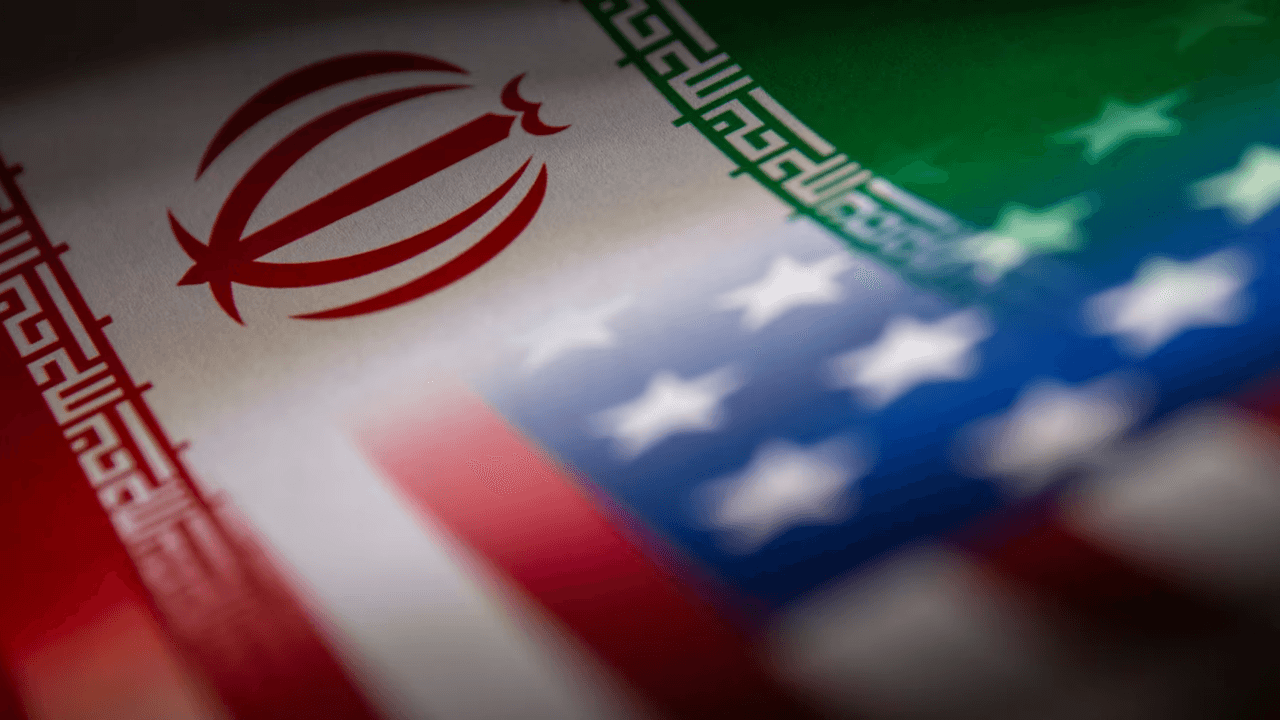
Iran’s Naval Blockade Crisis: Economic Collapse and U.S. Pressure
724FinanceEge Kaan
Key Highlights
İran liderleri, ABD’nin deniz ablukası uygulamasının ülke ekonomisini felç ettiğini kabul ederken, Washington’ın yeni bir baskı dalgası hazırlığı sürü

Iranian leaders acknowledge that the U.S. naval blockade has crippled the nation’s economy, while Washington prepares a fresh wave of pressure.
Iran’s Internal Tug‑of‑War: MOU and Crisis Resolution
U.S. Strategic Moves: Blockade Re‑Imposition and Possible Military Leverage
Market and Geopolitical Ripple Effects: Oil Flow Disruption
Dr. Yaman Ege – The naval blockade on Iran is not merely a regional crisis; it strikes at the heart of global supply chains. A renewed U.S. blockade could raise operating costs for high‑energy‑intensive chip manufacturers such as ASML and TSMC, and further strain rare‑earth trade. This environment will boost short‑term volatility for tech stocks like Nvidia, while embedding a higher geopolitical risk premium into markets for the foreseeable future.
Related News & Analysis
View All →
Trump's New Tariffs on Canada: Economic Implications

Canada‑US Trade War Escalates: Ford Slams Trump

Shein Sets $27 Billion Valuation Target for Hong Kong IPO

Thames Water’s £10 bn Rescue Deal and Board Overhaul: Market and Public Implications

Amazon's Hardware Price Surge: Memory Shortage Sends Shockwaves Through Markets

From Welch’s Dismissal to a $109 Billion Vertiv Surge
Latest Market News
All News →Trump's New Tariffs on Canada: Economic Implications

U.S. Launches sweeping Economic Exclusion Campaign to Isolate Iran
Canada‑US Trade War Escalates: Ford Slams Trump

Tera Yatırım Teknoloji Holding’s New Face: Hüseyin Emre Sezer’s Diplomatic Shift

Tera Funds Break Thresholds in KARCL, MANAS and TEHOL Holdings