The Human Capital Moat: Trader Joe's Strategic Edge Over Retail Giants
724FinanceBora Yalın
Key Highlights
Perakende sektöründe marka sadakati ve operasyonel verimlilik arasındaki ince çizgide, **Trader Joe's**, **Walmart** ve **Target** gibi devlerden sıyr
In the high-stakes arena of retail brand equity, Trader Joe's has cultivated a distinct operational alpha over Walmart and Target, proving that unscripted human capital drives superior customer retention metrics and operational efficiency. By bypassing rigid corporate scripts in favor of authentic interaction architecture, the chain has converted employee satisfaction directly into financial performance, creating a sustainable competitive moat.
The Failure of Mandated Corporate Scripts
Retail chains frequently attempt to engineer brand consistency through strict communication protocols and canned greetings, yet this strategy often triggers a consumer backlash against perceived inauthenticity. The enforced enthusiasm seen at chains like Texas Roadhouse or Moe's tends to create friction rather than the intended memorable experience. Jeannie Walters, CEO of Experience Investigators, notes that these scripts essentially mandate behavior, which backfires more often than not because it becomes transparently obvious when employees are not communicating as humans naturally would.Strategic Autonomy vs. The 10-4 Protocol
While retailers spend millions annually training associates on customer interactions, Trader Joe's has achieved efficiency by fostering an environment where engagement occurs organically rather than through coercion. The grocery chain topped Forbes' annual list of best employers in 2025, validating that genuine employee satisfaction correlates with high-quality service outputs. In contrast to Target's recently implemented "10-4" program, which mandates structured interactions for frontline workers, Trader Joe's hires for inherent warmth and allows staff the freedom to express brand principles naturally.From a macro-financial standpoint, the divergence in customer experience strategies highlights a critical differentiator in consumer discretionary resilience. In an environment of tightening liquidity, Trader Joe's' model minimizes Customer Acquisition Costs (CAC) by leveraging organic loyalty, serving as a defensive buffer for cash flows against market volatility and competitive pressures.
Related News & Analysis
View All →
Ray Dalio Warns of an AI Bubble Echoing 1929 and 2000 Crises
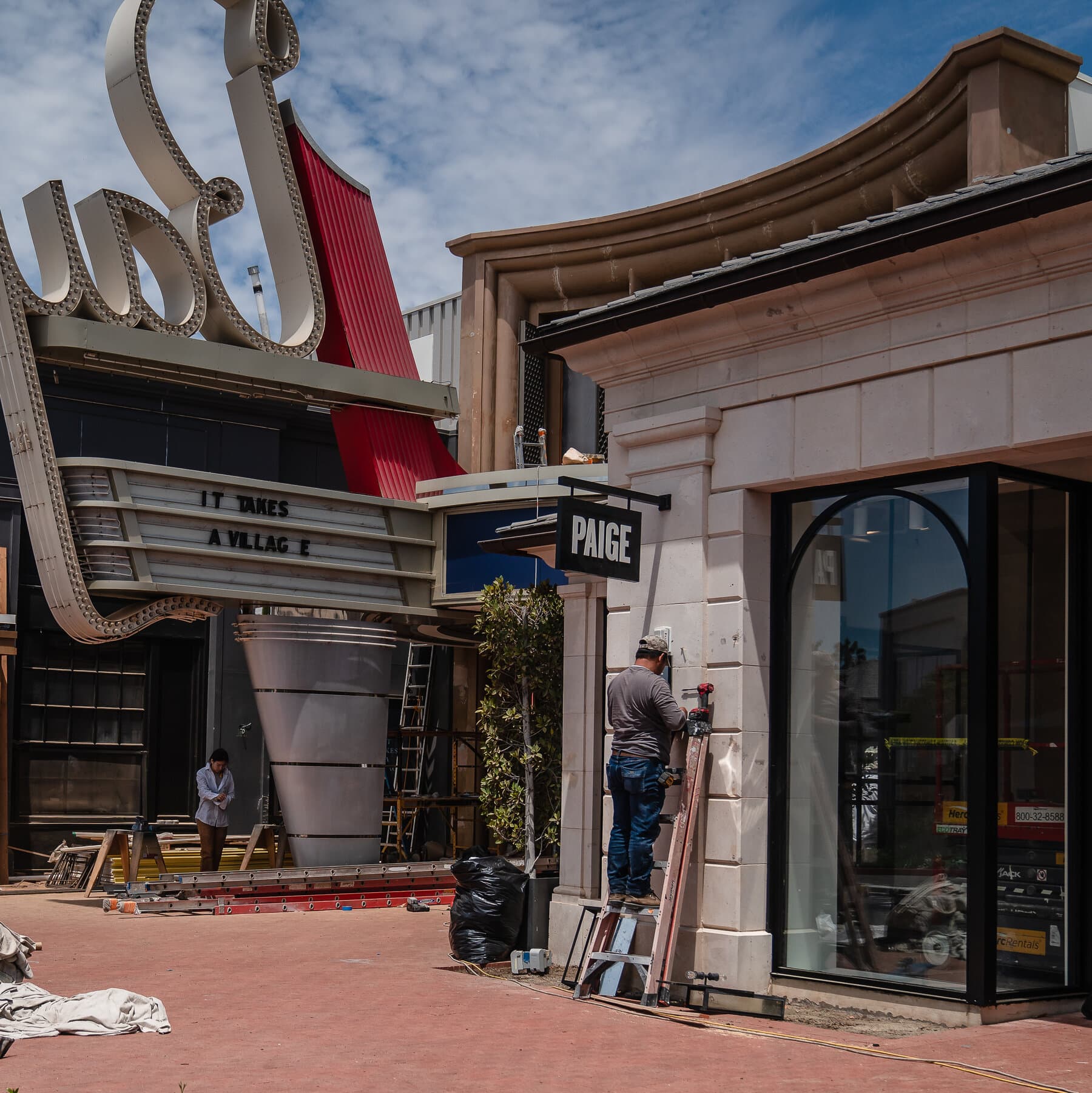
Rick Caruso’nun Pacific Palisades Alışveriş Merkezi Yeniden Açılıyor: LA Gayrimenkul Piyasasında Yeni Dönem

US Infrastructure Monopoly: The Real Battlefield of the AI Race

The Legal Quagmire of AI Hacking: Liability for OpenAI and Anthropic
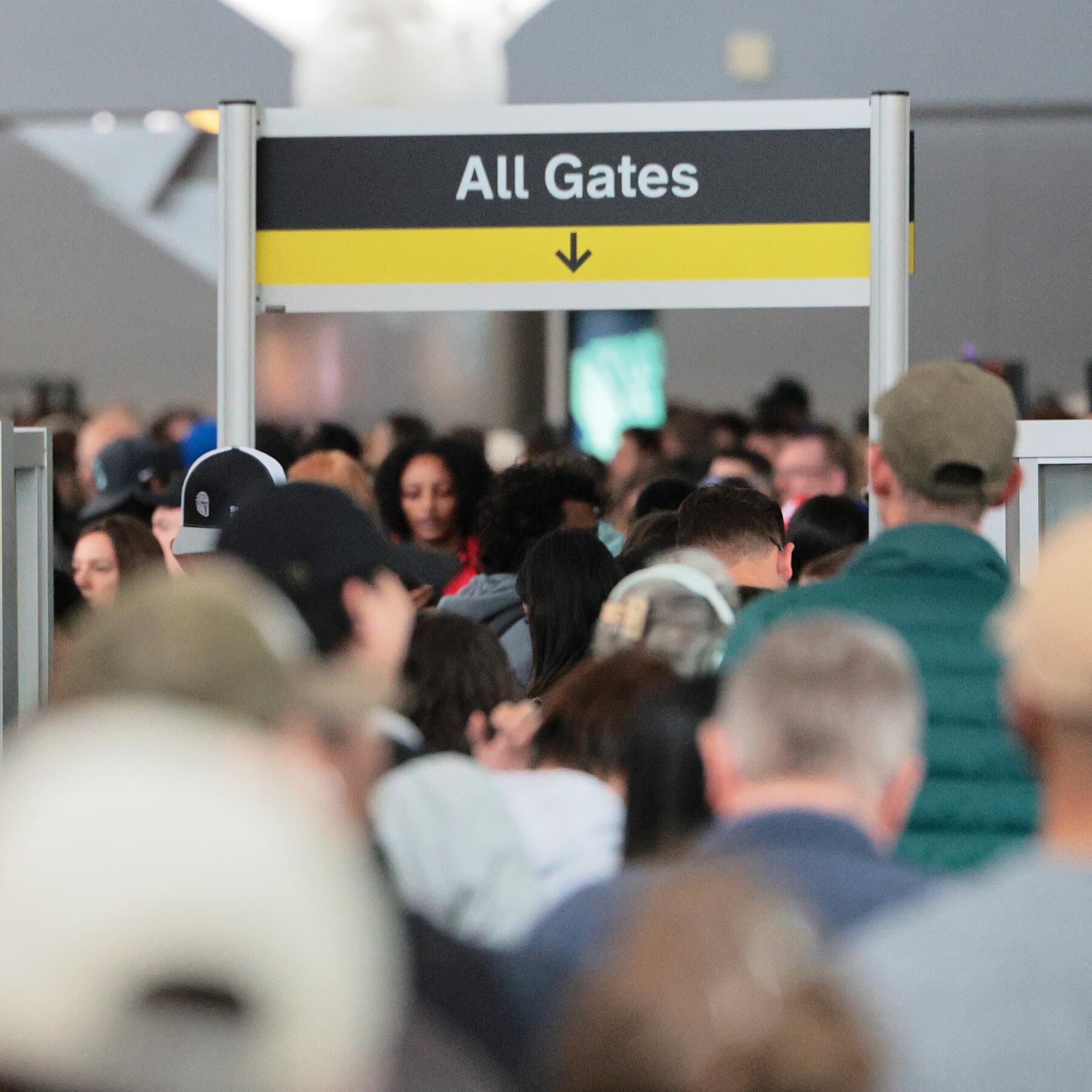
Cutting Airport Queues: New Screening Initiatives Reshape Air Travel
Sustainable Funds Record First-Quarter Inflows, GRID ETF Surges 15%
Latest Market News
All News →
UBS Warns Markets Underestimate Profit Cycle and Overlook Geopolitical Risks
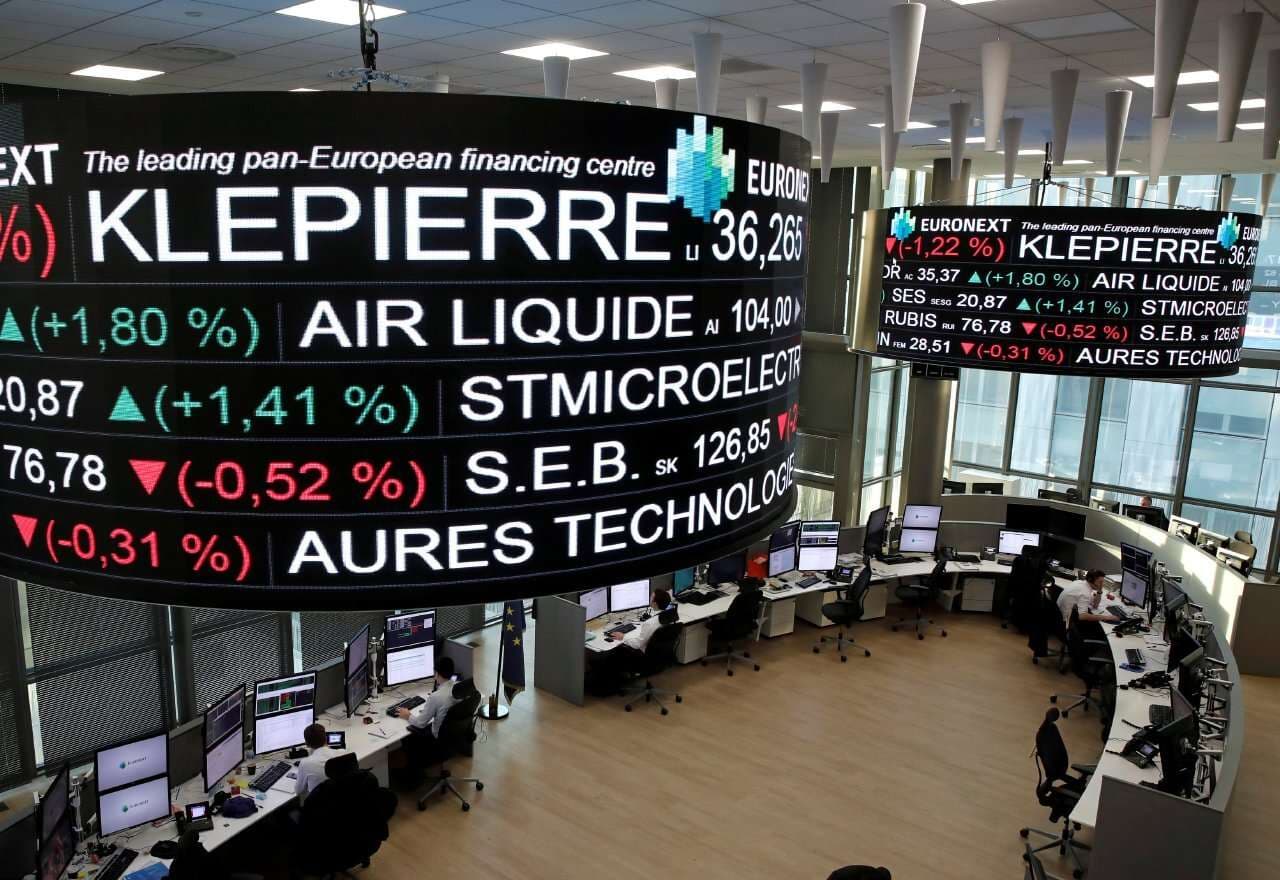
Citi: European Equities See Renewed Risk Appetite
HSBC's Turkey Strategy Report: Stocks Undervalued, Sectoral Opportunities Shine

ASELSAN Unveils New Infrared Detector Family: A Leap in Defense Technology

Foreign Funds Boost Stakes in Kardemir and Aselsan: $27M Order and 2.48‑Point Share Rise