Trump's Shock Blockade on Iran: Strait of Hormuz to Rattle Oil Markets
724FinanceRüzgar Ersoy
Key Highlights
ABD Başkanı Donald Trump'ın İran limanlarına yönelik tam abluka başlattıklarını resmen açıklaması, küresel enerji arz güvenliği üzerindeki belirsizliğ
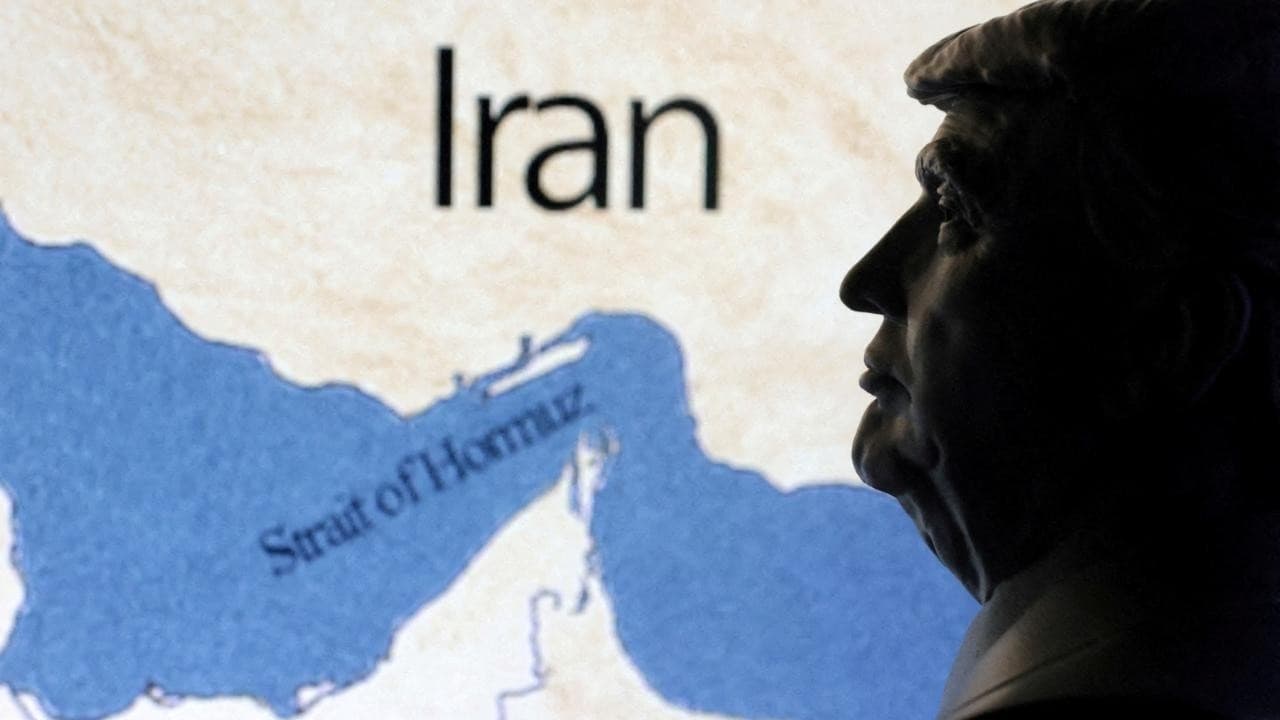
US President Donald Trump's official announcement of a total blockade on Iranian ports has escalated uncertainty regarding global energy supply security, setting the stage for severe price fluctuations in commodity markets. The decision to close the Strait of Hormuz to Iranian vessels while keeping it open to all other international traffic creates a new focal point of geopolitical tension in the Middle East, potentially dampening investor risk appetite.
Geopolitical Strike at the Strait of Hormuz
The Trump administration's harsh decision directly targets energy logistics in the Middle East, creating a new epicenter of tension in global trade routes. The blockade decision aims to isolate the Iranian economy from the rest of the world while igniting international legal and trade debates regarding the use of the strategic strait.Rippling Effects from Energy Prices to Personal Finance
A potential rise in oil prices could trigger a chain reaction that impacts not only corporate balance sheets but also individual investors and consumer finance dynamics. The increase in energy costs could reflect on inflation data, causing central banks to change their interest rate policies.While markets begin to price this geopolitical risk move as a 'risk premium', the real impact will be determined by the speed of the potential contraction in oil supply. From a wealth management perspective, the upward pressure this volatility in energy prices will place on inflation sends a strong signal that deposit rates and credit costs will likely rise in the medium term. In this process, it is inevitable for individuals with high consumer credit debt to adopt a more cautious balance sheet management against interest rate risk.
Related News & Analysis
View All →
Intetra and Bakircı REIT Set to List on BIST with Defined Dates and Prices

Murat Pınar’s Strategic Leap: From Energy Distribution to Sabancı Holding’s Investment Helm

Sugar Prices Hit 17-Year High Amid Hindistan and European Production Crunch
HSBC Launches 4 Billion Yuan Bond Offering, Tapping Asia’s Liquidity Engine

Turkey Accelerates Black Sea Grain Corridor Talks to Stabilize Global Food Markets

18 Agricultural Firms Under Antitrust Scrutiny: Turkey's Competition Authority Investigates
Latest Market News
All News →
USDC Makes Premier League Debut: Chelsea's Jerseys Rebranded with a Stablecoin

US Cities Clamp Down on AI Data Centers’ Water Use: Austin Leads New Regulations
Renters Reign: How Gen Renter Is Ending the Homeownership Dream

Beyond the Code: a16z Deploys $1.1B 'Machine Age' Fund to Build AI's Physical Backbone
The New Threat to Retirement Plans: Stock Market Crash and Inflation Are Outdated Risks