
Washington’s 'Security Invoice': The Era of Transactional Diplomacy in the Gulf
ABD Başkanı **Donald Trump**, geleneksel ittifak modellerini kökten sarsan bir yaklaşımla, İran tehdidine karşı koruma sağladıkları Körfez ülkelerinin
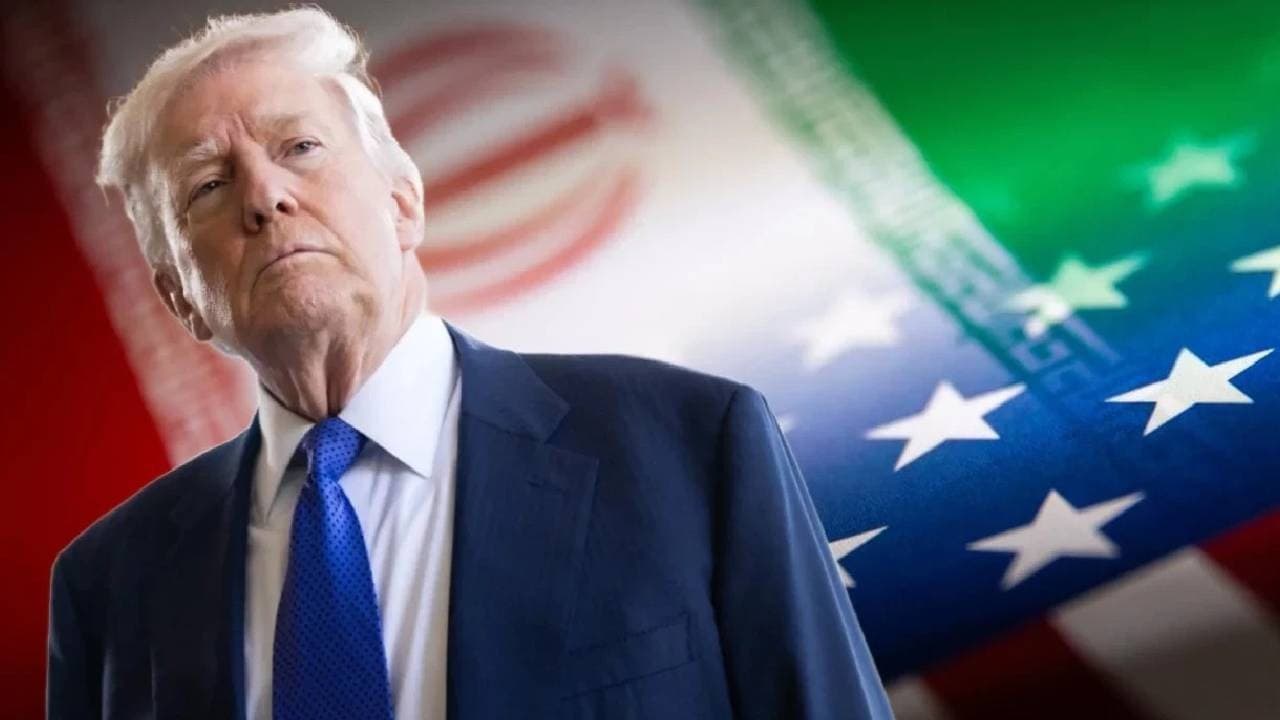
US President Donald Trump has fundamentally shaken traditional alliance models by declaring that Gulf nations protected against the Iranian threat must pay directly for these services. This move from the White House clearly reveals an intention to transform national security from a strategic partnership into a billable 'service procurement' model.
From Strategic Alliances to Service Contracts
Washington's new defense doctrine places alliance relations on an economic scale. Trump argues that the costs of the US military presence in the region can no longer be borne unilaterally, emphasizing the following key points:
The Financial Burden of Geopolitical Risks
This approach is not merely a diplomatic tension but signifies a new cost item for regional economies. Especially in the budget planning of Gulf countries, "security payments" to the US could become a critical variable. The potential impacts include:
Markets should interpret Trump's transactional approach not just as political rhetoric, but as part of a strategy to reduce the US foreign trade deficit. The commoditization of security may run parallel to efforts to maintain the dollar's strength as a reserve currency, as payments demanded from allies will provide direct inflows to the US Treasury, serving the quest for fiscal discipline. However, this could trigger a trend toward defense independence among allies, potentially risking US strategic hegemony in the region over the long term.
Related News & Analysis
View All →
Cimin Grape Harvest Kicks Off: GI-Labeled Fruit Opens Doors to Global Markets
Turkey's Gold Strategy: Seizing the 10,000‑Ton Opportunity
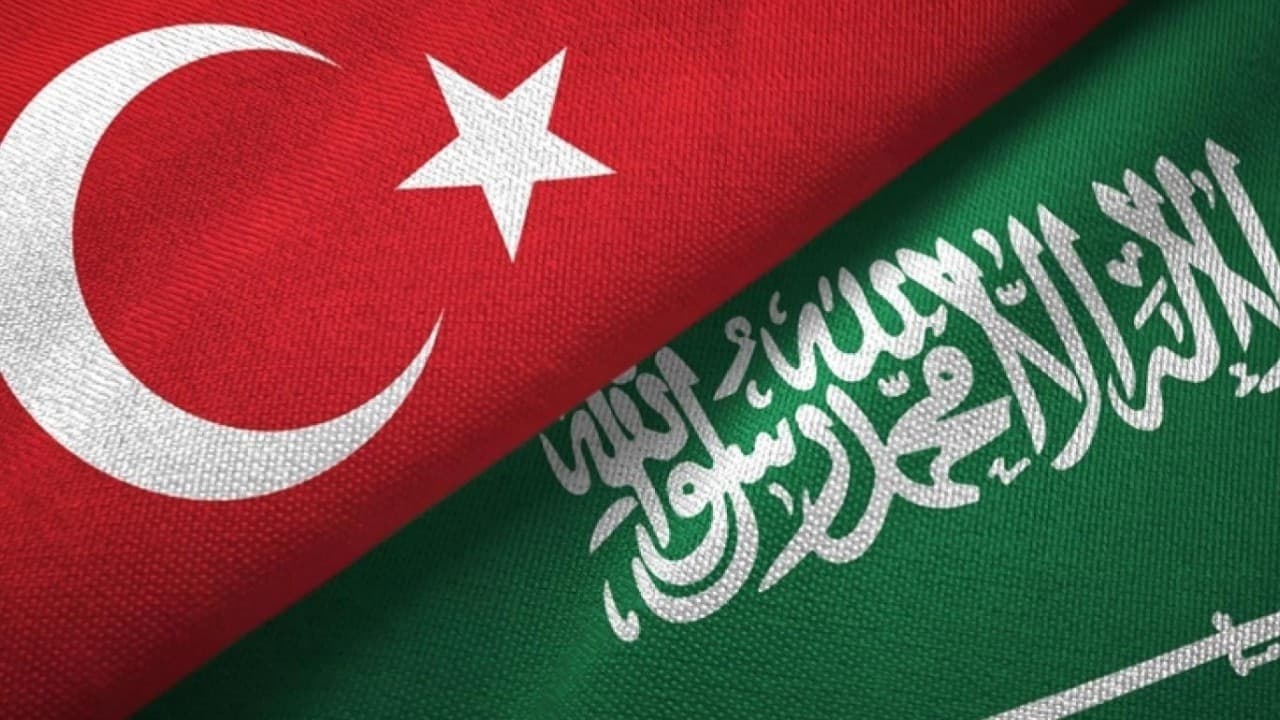
Turkey‑Saudi Arabia Seal 5 GW Renewable Power Deal: A New Dynamic in Regional Energy Balance
Halkbank’s SPK Filing Ignites Turkey’s Next Capital Wave

Hyundai's 2030 Vision: 5.55 Million Cars to Rewrite Global Competition
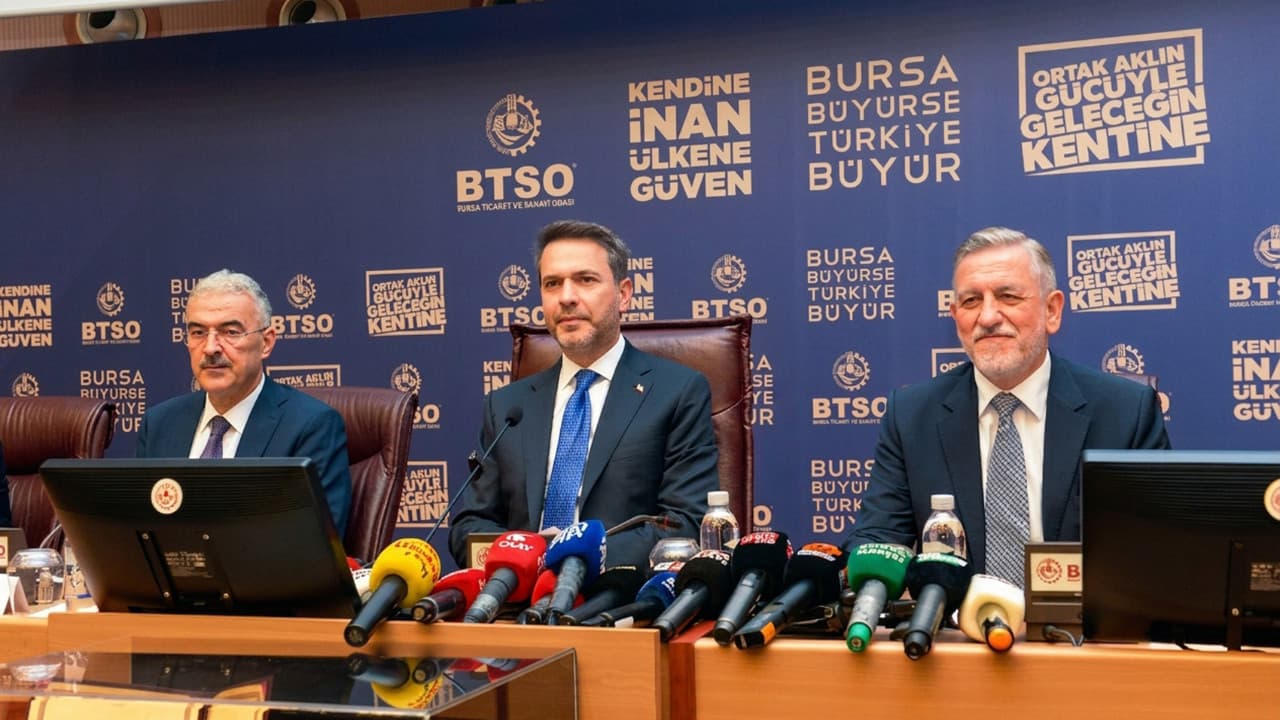
Bursa Chamber of Commerce Elections Set for Oct. 1: New Leadership and KOBI OSB Vision
Latest Market News
All News →![[ERCB] ERCİYAS ÇELİK BORU SANAYİ A.Ş.
Pay Dışında Sermaye Piyasası Aracı İşlemlerine İlişkin Bildirim (Faiz İçeren) - TRFERCY82618 ISIN Kodlu Finansman Bonosu İtfası](/_next/image?url=%2Fuploads%2Fkap-default.png&w=3840&q=75)
[ERCB] ERCİYAS ÇELİK BORU SANAYİ A.Ş. Pay Dışında Sermaye Piyasası Aracı İşlemlerine İlişkin Bildirim (Faiz İçeren) - TRFERCY82618 ISIN Kodlu Finansman Bonosu İtfası

Gap’s Comeback Playbook: Discount Trim and Hailey Bieber Partnership
[BLS, BLSMD] BULLS YATIRIM MENKUL DEĞERLER A.Ş. Halka Arz İşlemlerinde Sermaye Piyasası Aracının % 5 inden Fazlasını Satın Alanlara İlişkin Bildirim / INTET - İntetra Teknoloji ve Bilişim Hizmetleri A.Ş. Paylarının Halka Arzında %5' ten Fazla Pay Alan Yatırımcı Listesi
[MDIAZ] MEDİAZZ YENİ MEDYA VE TEKNOLOJİ YATIRIMLARI A.Ş. İhraç Belgesi - İhraç belgesi
[BLS, BLSMD] BULLS YATIRIM MENKUL DEĞERLER A.Ş. Halka Arz Sonuçları / INTET - INTET Halka Arz Sonuçları