
Trump Media Bets $100k Monthly Fee on Wall Street's Hunger for Speed
Donald Trump'un sosyal medya şirketi, ABD Başkanı'nın paylaşımlarına saniyeler öncesinden erişim hakkını Wall Street'in devlerine aylık **100.000 dola
Donald Trump’s social media empire is moving to monetize its most valuable asset—the President's market-moving voice—by offering Wall Street traders a premium data feed for $100,000 a month, effectively transforming political influence into a high-speed financial utility.
Pricing the Presidential Pulse
Trump Media & Technology Group (TMTG), the owner of Truth Social, has introduced "Truth API," a licensed data feed designed to grant banks and trading firms millisecond-level advantages in accessing posts from the platform's top influencers. Sources familiar with the discussions indicate the company is pitching the service at $100,000 monthly, with a discounted rate of $60,000 available for firms committing to a three-year contract.
A New Revenue Stream Amidst Turbulence
In the high-frequency trading (HFT) arena, where a speed advantage of mere milliseconds can translate to hundreds of thousands of dollars in profit, this data feed represents a critical strategic edge. On April 9, 2025, for instance, U.S. stocks surged sharply after Trump announced a temporary pause on new tariffs via a Truth Social post. The Truth API aims to capture the alpha generated by such volatile moments before the broader market reacts.
This initiative marks TMTG's first major step into data licensing, seeking to establish a new revenue stream amid fierce competition from larger social media conglomerates. However, the move has drawn immediate fire from Capitol Hill. Senator Ron Wyden, the top Democrat on the Senate Finance Committee, criticized the plan, arguing it would financially enrich the Trump family while handing Wall Street traders a lucrative advantage.
From a capital flows perspective, we are witnessing the commodification of political signaling. This creates a two-tiered market structure where speed is the ultimate currency. For macro funds and HFT desks, this API reduces the latency between political noise and execution. While it boosts efficiency for the few, it introduces a layer of systemic risk where market liquidity could thin out rapidly in the milliseconds following a presidential post, exacerbating flash-crash risks during periods of geopolitical tension.
Related News & Analysis
View All →
The 1873 Silver Crisis: Birth of the Gold Standard and Its Echoes in Modern Monetary Policy

SLB's $4.1 Billion Data Center Deal Ignites Industry Growth

PDF Solutions (PDFS): Semiconductor Software Firm Delivers 52% Q2 Return in High-Beta Strategy
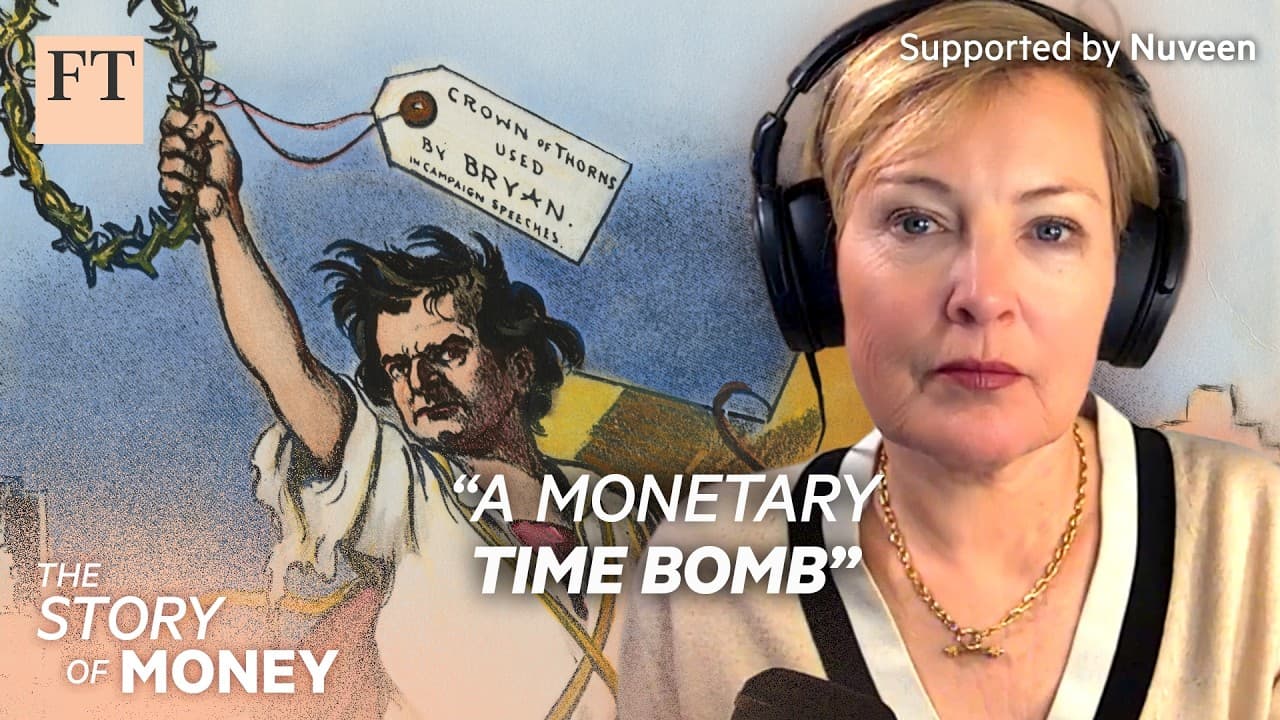
Money and History: Gillian Tett and Robin Wigglesworth's Evolution of Currency

Did Venezuela's Oil Deal Succeed? Could Iran Be Next?

Netflix's Cannes-Winning 'La Bola Negra' Set to Impact Cinema and Markets
Latest Market News
All News →![[MLB] BANK OF AMERICA YATIRIM BANK A.Ş.
Toptan Alış Satış İşlemi Bildirimi
/ TUPRS - BofaYB Toptan Satış İşlemleri_TUPRS](/_next/image?url=%2Fuploads%2Fkap-default.png&w=3840&q=75)
[MLB] BANK OF AMERICA YATIRIM BANK A.Ş. Toptan Alış Satış İşlemi Bildirimi / TUPRS - BofaYB Toptan Satış İşlemleri_TUPRS
[HUZFA] HUZUR FAKTORİNG A.Ş. Pay Dışında Sermaye Piyasası Aracı İşlemlerine İlişkin Bildirim (Faiz İçeren) - TRFHZRF92610 ISIN KODLU FİNANSMAN BONOSU 4.KUPON ÖDEMESİ VE İTFASI
[ISFIN] İŞ FİNANSAL KİRALAMA A.Ş. Pay Dışında Sermaye Piyasası Aracı İşlemlerine İlişkin Bildirim (Faiz İçeren) - TRFISFN92711 ISIN Kodlu Finansman Bonosu İhracı
[ISVEA] İSVEA SERAMİK VE BANYO ÜRÜNLERİ SANAYİ A.Ş. Sermaye Artırımından Elde Edilecek - Edilen Fonun Kullanımına İlişkin Rapor - Sermaye Artırımından Elde Edilen Fonun Kullanımına İlişkin Rapor
[DENFA] DENİZ FAKTORİNG A.Ş. İhraç Tavanına İlişkin Bildirim - Şirketimizin Türk Lirası cinsinden yurtiçi ihraçlarda 11.500.000.000 TL (Onbirmilyarbeşyüzmilyon Türk Lirası)'na kadar borçlanma araçlarının halka arz edilmeksizin ihracına YKK alınmıştır