
Bond Markets Rattled by Iran Tensions
Avro Bölgesi devlet tahvili getirileri Çarşamba günü yükseldi, kısa vadeli borçlanma araçları satış dalgasına öncülük etti. Birleşmiş Milletler ile İr

Eurozone government bond yields rose on Wednesday, with short-term debt leading the charge. The sudden escalation of military tensions between the United Nations and Iran, as well as the nervousness ahead of the Federal Reserve's meeting minutes, shook the fixed-income markets. While regional stock markets recorded relatively moderate declines, the reaction in the bond market was much more pronounced. Investors aggressively sold short-term government debt, which is highly sensitive to changes in inflation expectations and central bank policy. Germany's 2-year government bond yield surged to 2.63%. The 10-year Bund yield, a benchmark, rose more moderately by 2 basis points to 3.03%. The sharper move at the short end of the curve reflects a reassessment of consumer price risks. The global oil price rose 2% to $75.60 a barrel after Washington revoked a key waiver allowing Iran to sell oil; this directly threatens the fragile decline in inflation observed in the Eurozone at the beginning of the year. With Tehran describing the UN's move as a violation of the ongoing peace agreement, fixed-income market participants are pricing in a more permanent floor for energy costs. The upward pressure on yields was reinforced by position-taking ahead of the Federal Reserve's June meeting minutes, which will provide the first glimpse into the central bank's internal workings under new Chairman Kevin Warsh. Fixed-income markets are taking a highly defensive stance in light of Warsh's known skepticism towards forward guidance and his announced desire for a more concise and less predictable communication style. Since short-term yields are largely driven by the central bank's clear signals, the prospect of a less transparent Federal Reserve has reintroduced a significant term premium at the short end. If the minutes confirm that a significant portion of Fed officials actively advocated for tighter policy to combat service sector inflation before the new oil shock, analysts warn that the global yield curve could rise further. Market Reaction: Iran Tensions and Federal Reserve Minutes
Related News & Analysis
View All →
BofA’s Pivot: End-Game of Index-Driven Won Sales

South African Rand Climbs Despite Manufacturing Confidence Wanes – Market Dynamics Observed

Diplomatic Breakthrough Calms Bond Markets as ECB Tightening Path Remains Firm

Washington's Shadow Intervention: Decoding the 'Rate Check' Strategy

Why the Japanese Yen Is Crashing in 2026: Macro Forces at Play

India’s Foreign Exchange Reserves Hit Record: $682.3 Billion and Rupee Support Measures
Latest Market News
All News →
North Sea Oil: Trump’s Symbolic Legacy and the UK’s New Prime Minister’s Dilemma
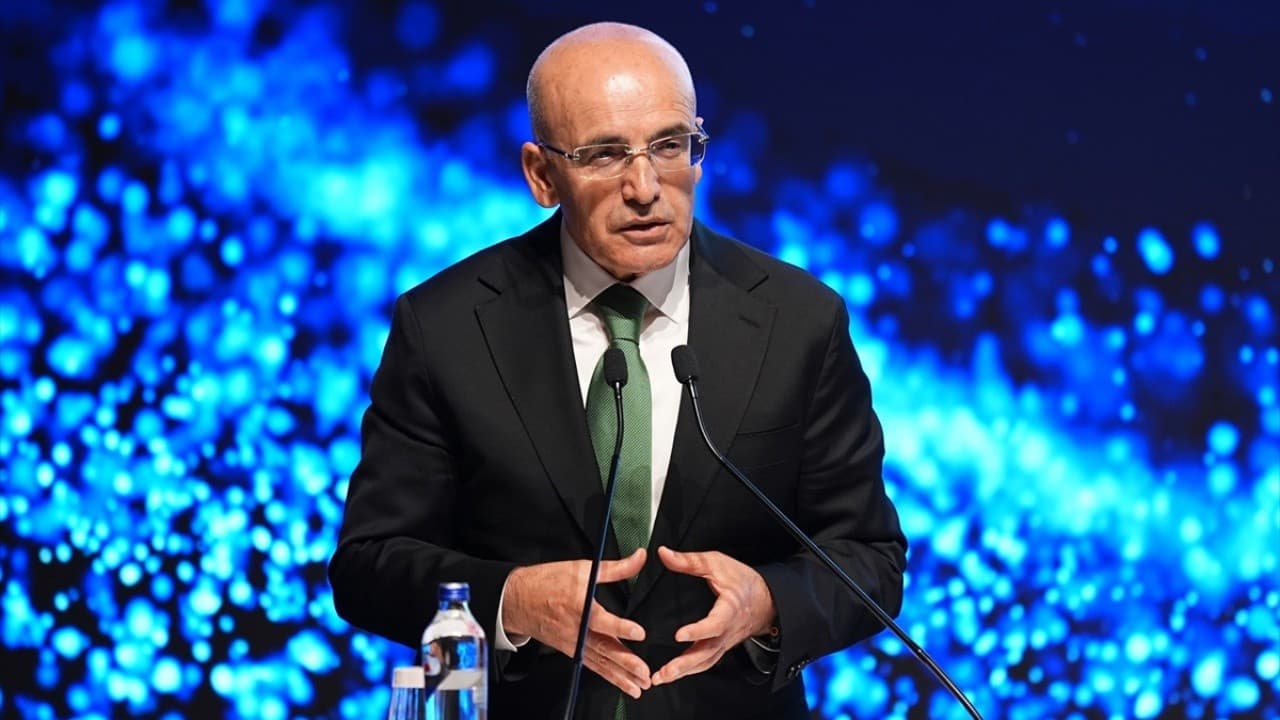
TR 484 Billion Savings in Two Years: Treasury’s Budget‑Shocking Maneuvers

Borsa Istanbul: 25 Companies Set to Boost Liquidity with Paid Capital Increases

Turkey's 2024‑2025 Budget Savings: Shock Cut of 484 Billion Lira Across Six Ministries

India's Russian Oil Surge: A New Wave for Economy and Markets
