
Trump's Hormuz Brinkmanship Deepens Global Energy Crisis
Küresel enerji piyasaları, Hürmüz Boğazı'ndaki jeopolitik tansiyonun en sert seviyeye çıkmasıyla sarsılırken, ABD Başkanı Donald Trump'ın İran'a yönel
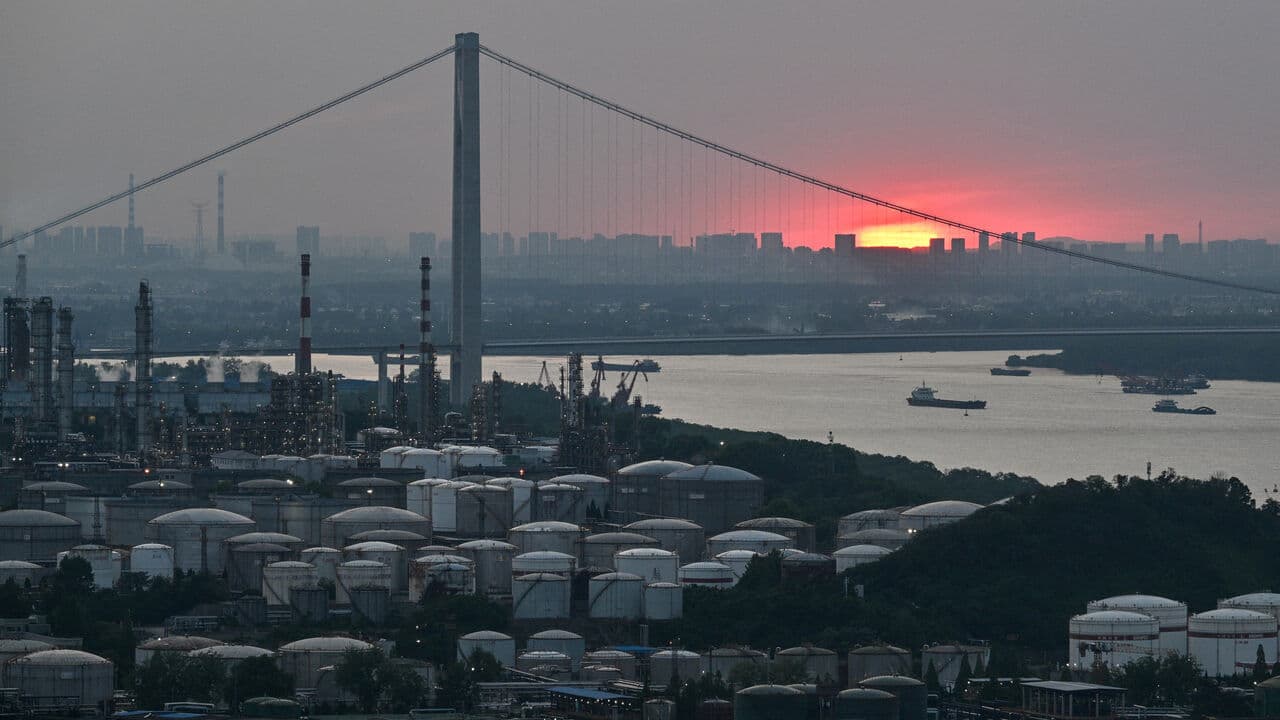
Global energy markets are reeling from severe geopolitical tension in the Strait of Hormuz, as US President Donald Trump's decision to enforce a naval blockade on Iran has triggered a wave effect, sending Brent crude prices sharply higher. The mid-July developments have concretized pressure on global supply security with a sudden 10% price surge, radically restructuring asset valuations.
Naval Blockade and Transit Fee Shock in the Strait of Hormuz
The fuse of the events was lit when Trump announced he would reinstate the naval blockade against Iran and apply an additional 20% fee on cargo passing through the Strait of Hormuz. This move risks creating a serious bottleneck in the aorta of global oil trade.
Military Escalation Transforms into Supply Shock
The diplomatic and economic sanctions quickly escalated into an armed conflict when the US launched airstrikes on Iran overnight, and Iran responded by striking two UAE tankers with missiles. Following these developments, Brent crude jumped to $83 a barrel as a global benchmark.
As markets price in this geopolitical risk premium, energy equities and commodity assets are coming to the forefront with a safe-haven perception. However, this shock on the supply side could push inflation expectations higher, potentially creating pressure for central banks to tighten their monetary policy stance. Energy-weighted strategies in asset allocation may serve as a protective shield during such escalation periods.
Related News & Analysis
View All →
Fed Issues Enforcement Action Against Former Banco Popular Employee Over Fund Misappropriation

ECB's On-Chain Roadmap: Central Banks' Digital Transformation and the Future of Tokenization
Mine Clearance in Strait of Hormuz: A Signal of Relief for Global Energy Markets
Bond Markets' Unsettling Signal: Shaking Rich-World Politicians
Erdoğan’s Economic Blueprint: Steering Turkey Through Global Turbulence
Halkbank Secures $1.1 Billion in Global Liquidity Boost
Latest Market News
All News →
Superconducting Satellite Motors and Fusion Funding Set to Redefine the Space Industry
Bitcoin Surpasses $80,000, Triggering a Surge in Crypto‑Linked Stocks

Self‑Improving Artificial Intelligence: Anthropic’s Automated Researcher Heralds a New Era

Weatherford’s Greenlight Exit: 45% IRR Fuels Portfolio Shift
Pool Upgrade Contract Breach: $42,000 at Stake and Subcontractor Dispute
