Trump Vows 20% Reimbursement for Hormuz Shipping: Economic and Energy Implications
ABD Başkanı Donald Trump, Hormuz Boğazı'ndaki deniz trafiği için sürecin yürütülmesi halinde ABD'den **20% oranında geri ödeme** sağlanacağını açıklad
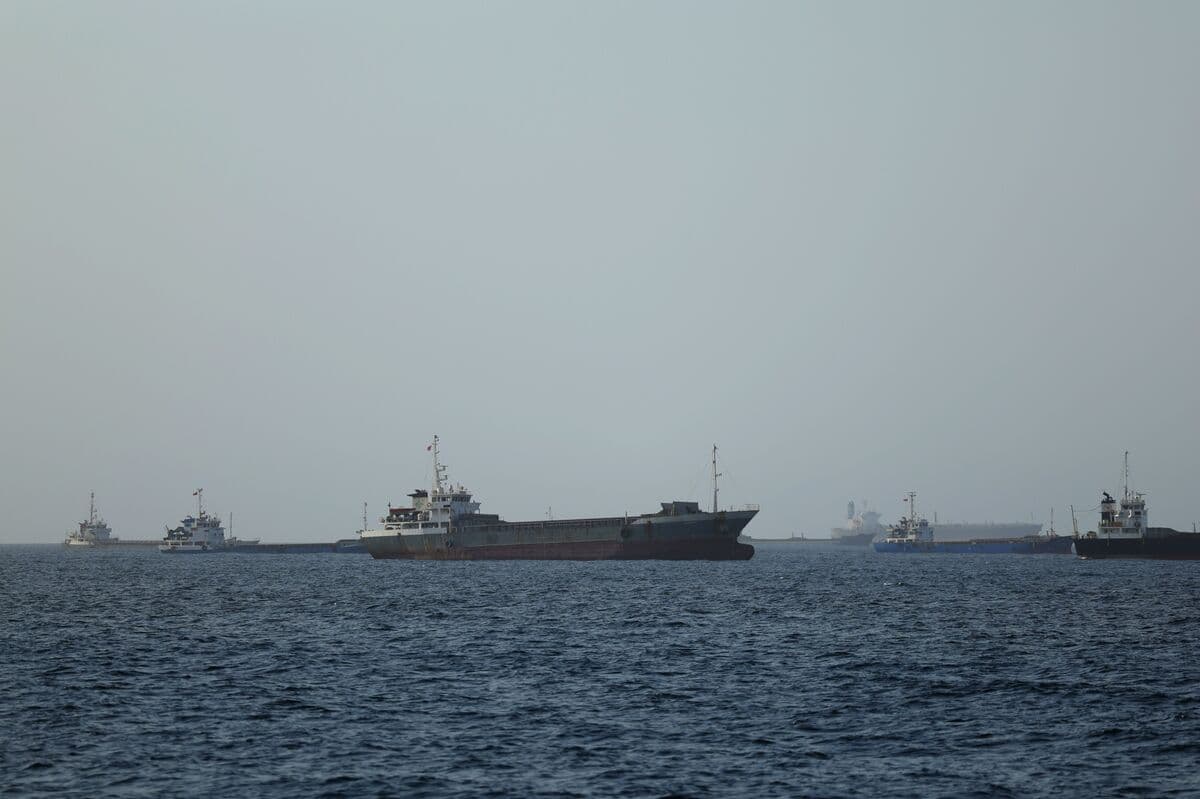
U.S. President Donald Trump announced that the U.S. will receive 20% reimbursement for maritime traffic through the Hormuz Strait, a decision that could reshape regional energy security and global market dynamics. As a critical chokepoint for oil shipments, the Hormuz Strait handles approximately 80 million barrels of oil daily. Trump's statement suggests a restructuring of costs along this strategic route, potentially increasing financial pressure on Middle Eastern energy firms and international carriers. Analysts warn that this policy could trigger volatility in oil prices and bond markets. The U.S. proposal may also prompt regulatory adjustments among regional players such as Iran, Saudi Arabia, and Bahrain, impacting energy revenue flows.
A New Era in Hormuz Shipping
Energy and Financial Market Reactions
Trump’s Hormuz shipping pledge signals a recalibration of strategic liquidity in energy markets. During periods of geopolitical uncertainty, instruments like the VIX index and energy-based options strategies become critical. Investors should prioritize portfolio diversification amid such developments. This bold move by the U.S. could redefine global energy supply chains, with ripple effects across commodity trading and central bank monetary policies.
Related News & Analysis
View All →
The White-Collar Exodus: AI Displacement and the Renaissance of Heritage Crafts

US Moves to Impose Fresh Semiconductor Tariffs: A Storm Brewing in the Chip Industry

OpenAI Launches Ads on Free ChatGPT Tiers in India

California Agriculture Faces $800 Million Heat Shock

Shein's Hong Kong IPO: How Skipping London Reshapes Market Dynamics

Cyber Attack Hits Manchester, Stansted and East Midlands Airports, Exposing Data of 8.7 Million Customers
Latest Market News
All News →![[MAALT] MARMARİS ALTINYUNUS TURİSTİK TESİSLER A.Ş.
Maddi Duran Varlık Kiraya Verilmesi veya Ayni Hak Tesisi - Mares Otel Tesislerine ilişkin olarak MP Hotel Management Turizm İnşaat Yatırım A.Ş. ile imzalanan Kira Sözleşmesi'nin TBC Seyahat Acenteliği ve Turizm A.Ş.'ye devri](/_next/image?url=%2Fuploads%2Fkap-default.png&w=3840&q=75)
[MAALT] MARMARİS ALTINYUNUS TURİSTİK TESİSLER A.Ş. Maddi Duran Varlık Kiraya Verilmesi veya Ayni Hak Tesisi - Mares Otel Tesislerine ilişkin olarak MP Hotel Management Turizm İnşaat Yatırım A.Ş. ile imzalanan Kira Sözleşmesi'nin TBC Seyahat Acenteliği ve Turizm A.Ş.'ye devri
The White-Collar Exodus: AI Displacement and the Renaissance of Heritage Crafts
[HALKB, THL] TÜRKİYE HALK BANKASI A.Ş. Sermaye Artırımından Elde Edilecek - Edilen Fonun Kullanımına İlişkin Rapor - Sermaye Artırımından Elde Edilecek Fonun Kullanımına İlişkin Rapor
[HALKB, THL] TÜRKİYE HALK BANKASI A.Ş. İzahname (SPK Onayına Sunulan) - İzahname
[HALKB, THL] TÜRKİYE HALK BANKASI A.Ş. Sermaye Artırımı - Azaltımı İşlemlerine İlişkin Bildirim - Halka Arz Yoluyla Sermaye Artırımına İlişkin SPK Başvurusu