Economy

Tariff Turmoil: US Trade Lawsuit Challenges Trump-era Duties

724FinanceDr. Aslıhan Demir
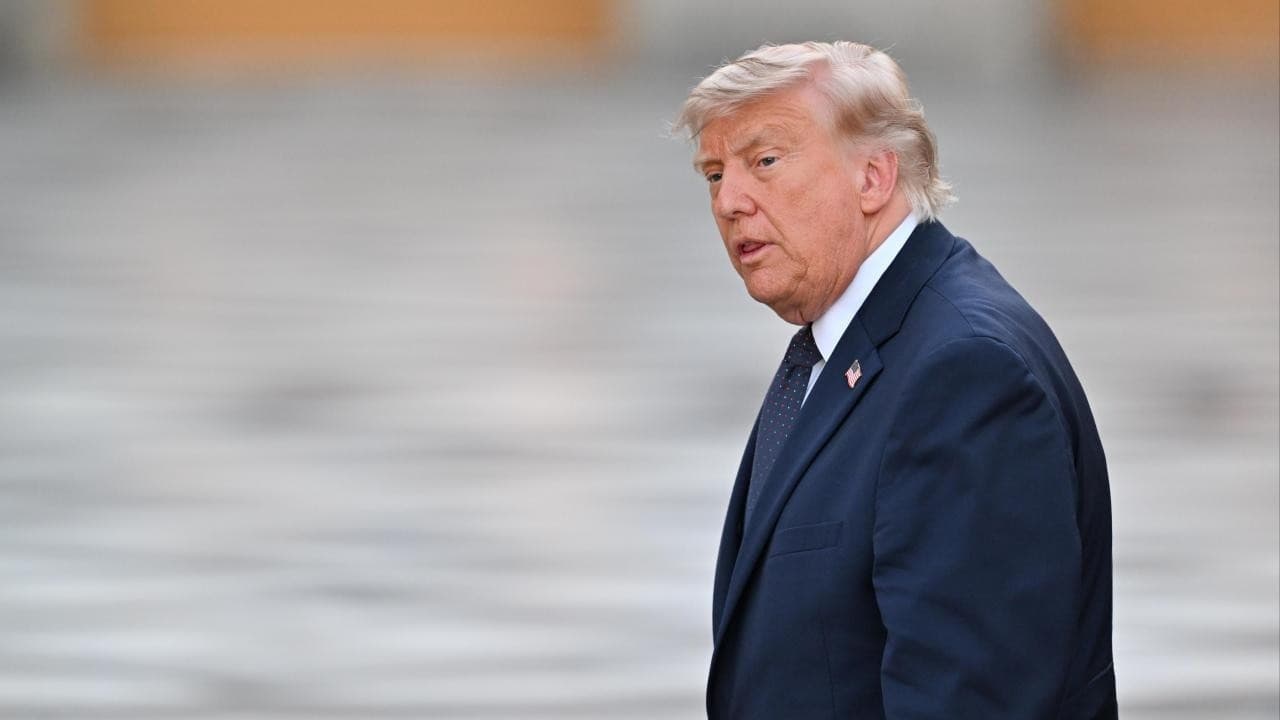
Tariff Turmoil: US Trade Lawsuit Challenges Trump-era Duties

Two U.S. firms have filed a sweeping lawsuit in the United States International Trade Court, alleging that the newly imposed tariffs—covering 99.4% of U.S. imports—violate constitutional limits.

New Fronts in the Trade War

  • Tariffs ranging from 10% to 12.5% target 60 trading partners.
  • The complaint claims the Section 301 action exceeds congressional authority.
  • It characterizes the tariff implementation as “arbitrary and unjustified.”
  • The measures stem from investigations under the 1974 Trade Act, aimed at curbing imports made with forced labor.
  • Core Legal Arguments

  • The Section 301 decision is asserted to overstep the executive’s statutory powers granted by Congress.
  • Lack of transparency and consistency in tariff application breaches international trade norms.
  • Prior Supreme Court rulings under the International Emergency Economic Powers Act (IEEPA) cast doubt on the legality of the current tariffs.
  • Potential Market Ripple Effects

  • With 99.4% of U.S. imports affected, global supply chains could face heightened uncertainty.
  • Increased costs for corporations may feed into higher inflation pressures.
  • Trading partners might respond with reciprocal duties and reopen negotiations.
  • Legal and Political Context

  • The USTR’s insufficient enforcement highlights the need for a stronger oversight framework.
  • The case tests the durability of the Trump administration’s trade agenda.
  • The court’s ruling could set a precedent for future trade agreements and customs reforms.
  • The lawsuit signals a pivotal moment where domestic and international pressures converge on U.S. trade policy. Should the court invalidate the tariffs and recognize an overreach of Section 301, America’s protectionist stance will likely be reshaped, amplifying volatility across global markets. Conversely, if the duties stand, renewed trade friction with allied nations may emerge, exerting pressure on exchange rates and commodity prices.
    Dr. Aslıhan Demir

    Financial Analyst: Dr. Aslıhan Demir

    Makroekonomi ve Para Politikaları Akademisyeni. FED (Federal Reserve) ve TCMB tutanaklarını satır satır okuyan, faiz kararlarının güvercin (dovish) veya şahin (hawkish) tonlarını analiz eden baş ekonomist.

    Disclaimer: The investment information, comments, and recommendations contained herein are not within the scope of investment advisory. Investment advisory services are provided individually by authorized institutions, taking into account the risk and return preferences of individuals. The comments and recommendations contained herein are general in nature. These recommendations may not be suitable for your financial situation and your risk and return preferences. Therefore, making an investment decision based solely on the information contained herein may not produce results that meet your expectations.

    © 2026 724Finance - All Rights Reserved.Original Source: Ekonomim.com