US Sanctions Iran-Linked Bitcoin Insurance Scheme for Strait of Hormuz Shipping
ABD Hazine Bakanlığı, İran'ın iki firması üzerinden yürütülen ve Bitcoin kabul eden deniz sigorta şemasını, uluslararası yaptırım kapsamına alarak, Ho

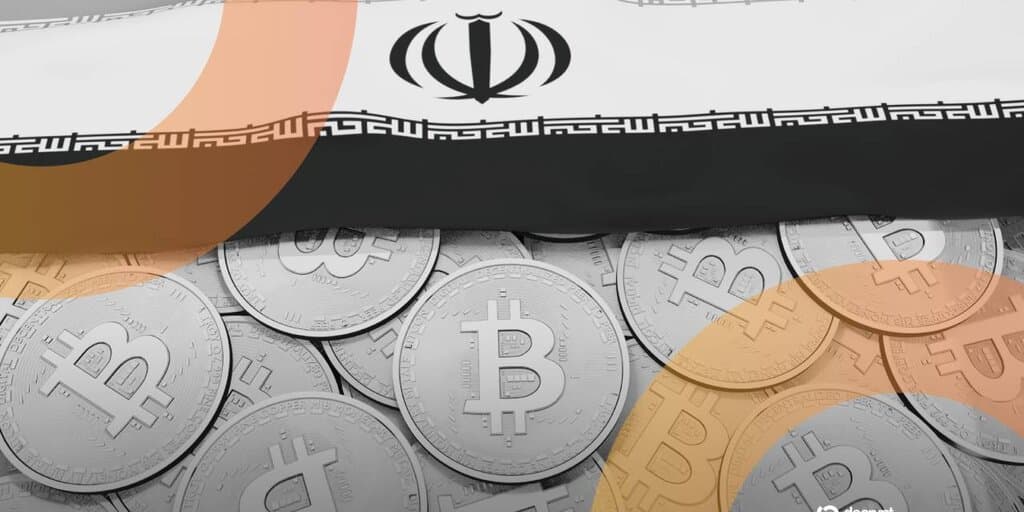
The U.S. Treasury has placed two Iranian firms behind a Bitcoin‑accepting maritime insurance scheme under sanctions, labeling the mandatory coverage for vessels transiting the Strait of Hormuz as extortion.
Iran's Digital Insurance Gambit Meets Washington's Backlash
OFAC designated Persian Gulf Marine Insurance Company and HormuzSafe Marine Services Authority (Hormuz Safe) as part of the broader sanctions regime targeting Iran's energy and petrochemical sectors. The Treasury warned that the scheme manipulates Iran's own maritime operations to control global shipping flows.
The Strait, Sanctions, and the Rise of Crypto Payments
Iran's Ministry of Economy designed the program to accept Bitcoin and other digital assets, aiming to sidestep Western financial restrictions. The digital payment model provides a traceable conduit for funding the Islamic Revolutionary Guard Corps (IRGC).
Market Ripples and Investor Exposure
The sanctions are likely to spark short‑term volatility in crypto markets while curbing liquidity for Iran‑linked assets. U.S. persons and entities are barred from dealing with the two firms; violations could trigger secondary sanctions.
Operational Snapshot and Company Profiles
Markets view this development as a clear signal that digital assets are increasingly being weaponized in geopolitical risk strategies. In the short run, expect a liquidity squeeze and price pressure on tokens linked to Iranian entities, while longer‑term regulatory tightening may force tighter compliance frameworks across crypto‑related service providers, reshaping risk assessments for regional energy logistics and financial intermediaries.
Related News & Analysis
View All →
Dubai’s Gambling Giant Fuels a $4 Billion Iranian Sanctions‑Evasion Crypto Conduit

IBM’s Quantum Leap: Revenue Streams Set to Surge Before Year’s End

Coinbase's Weak Quarter Sparks Debate Over Crypto Market Recovery
US Treasury Imposes Bitcoin Sanctions on Iranian Firms

Institutional Options, AI, and U.S. Regulation: Three Barriers Hurdling Bitcoin's Bull Run

ECB Sets New Accessibility Benchmarks for Digital Euro App
Latest Market News
All News →
100 Million Lira Support for Artvin Entrepreneurs: A New Financial Lifeline via Guarantee Cooperatives
Electing Tax‑Heavy Candidates: A Fresh Path to Fair Social Security
Dubai’s Gambling Giant Fuels a $4 Billion Iranian Sanctions‑Evasion Crypto Conduit

LIV Golf on the Brink: Saudi Withdrawal Sparks Bankruptcy Fears

Bewen Enerji's IPO Postponed Amid Volatile Market Conditions