United Airlines Slides as $6 Billion Fuel Cost Spike Tempers Stellar Q2 Earnings
724FinanceKaptan Rıza Deniz
Key Highlights
Küresel havacılık devi **United Airlines (UAL)**, ikinci çeyrekte piyasa beklentilerini aşan güçlü bir finansal performans açıklamasına rağmen, tırman
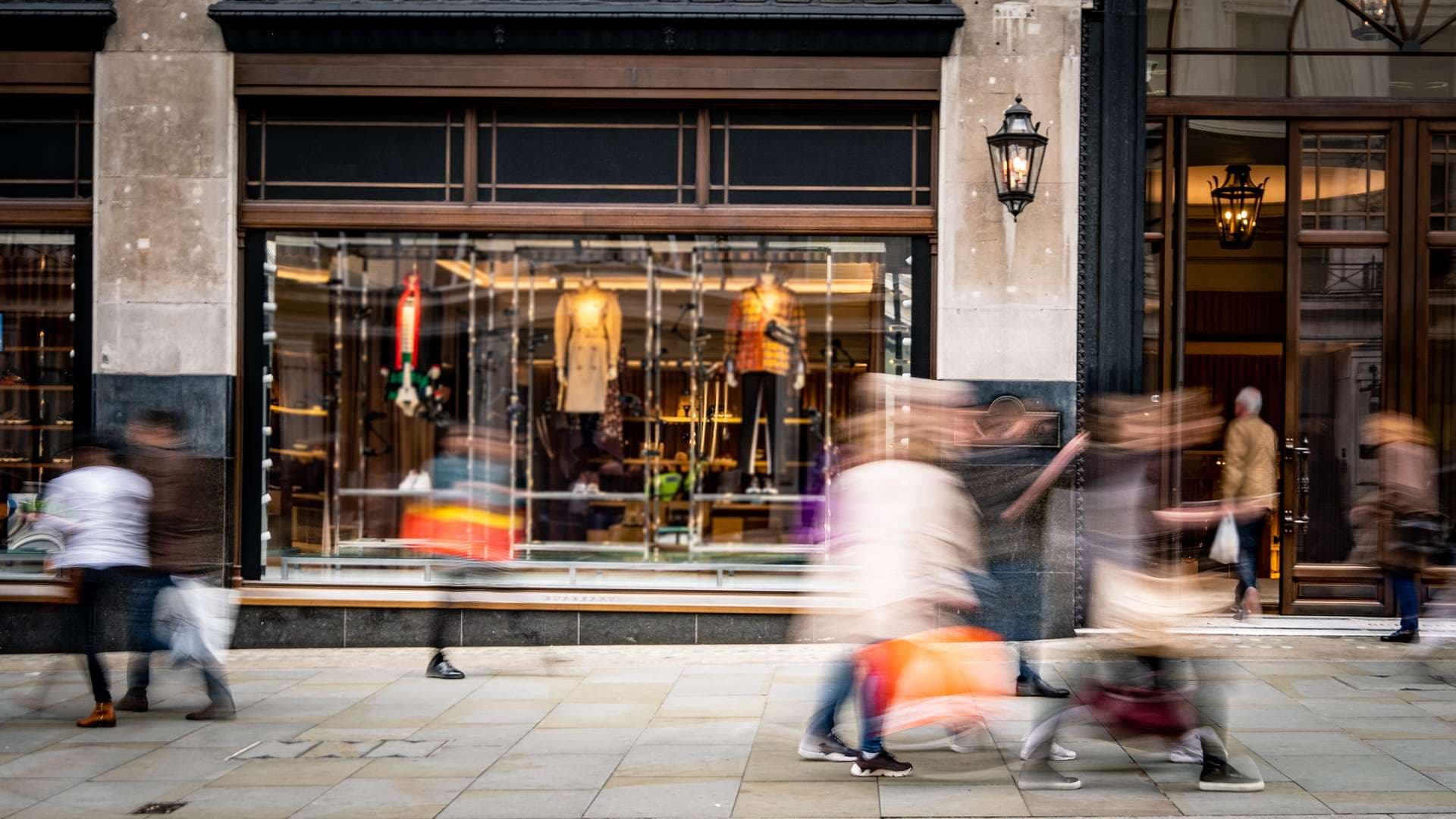
Global aviation giant United Airlines (UAL) delivered a market-beating second-quarter earnings report, yet its stellar performance was overshadowed by a massive projected spike in fuel costs triggered by escalating geopolitical tensions. The carrier's shares opened sharply lower after management warned that fuel expenses for 2026 are now expected to exceed initial estimates by a staggering $6 billion.
Geopolitical Shocks Trigger Jet Fuel Turbulence
Premium Demand Resilience Prompts Guidance Upgrade
As volatility (VIX) creeps higher in the S&P 500 options space due to geopolitical overhangs, United Airlines' (UAL) earnings print highlights a crucial macroeconomic reality: consumer demand remains robust, but margins are highly sensitive to energy shocks. The carrier's strategy to pass on a $6 billion fuel cost increase to consumers via premium pricing power is a bold testament to current economic resilience. From an options perspective, with the stock holding comfortably above its major moving averages, institutional desks are likely viewing this 14% post-earnings correction as a classic "buy the dip" opportunity. The real test in Q3 will be whether this aggressive cost-pass-through starts to trigger demand elasticity issues.
Related News & Analysis
View All →
NASA's Roman Space Telescope: Search for Life in the Milky Way

AI Revolution: Big Law Firms Forced to Cut Fees Amid Tech Shift

Pentagon's Foray into Venezuelan Oil Business: A New Era for U.S. Energy Strategy

Alteon's Year-Long Flight Ambition Backed by Investor: Revolutionizing Aviation Energy Efficiency

Semiconductor Sector's New Rise: China's Rare Earth Dependence and ASML Machines

Olivia Rodrigo and Melinda French Gates Raise $20M for Women’s Rights: How Gen Z is Bridging Political and Social Movements
Latest Market News
All News →
Anthropic's Nvidia-Backed Lambda Deal: The Shadow of a $35 Billion Investment on Banking

Polymarket Raises $1 Billion: Trump Jr.’s 1789 Capital Invests $300 Million

Polymarket's $1 Billion Raise: 1789 Capital and Trump Jr.'s $21 Billion Valuation

Turkey's GDP Grows 2.3%: Strong Quarter for Manufacturing and Production

U.S. Debt Crisis Strengthens Bitcoin's Bull Case: Call Options at $80K-$100K Cross $10 Billion in Notional OI