
The Hormuz Toll: US Strategy Triggers 20% Cost Shock in Global Energy Trade
Amerika Birleşik Devletleri'nin Hormuz Boğazı'ndaki kargo geçişlerine **%20** oranında bir gümrük vergisi/harç uygulaması ve beraberindeki abluka giri
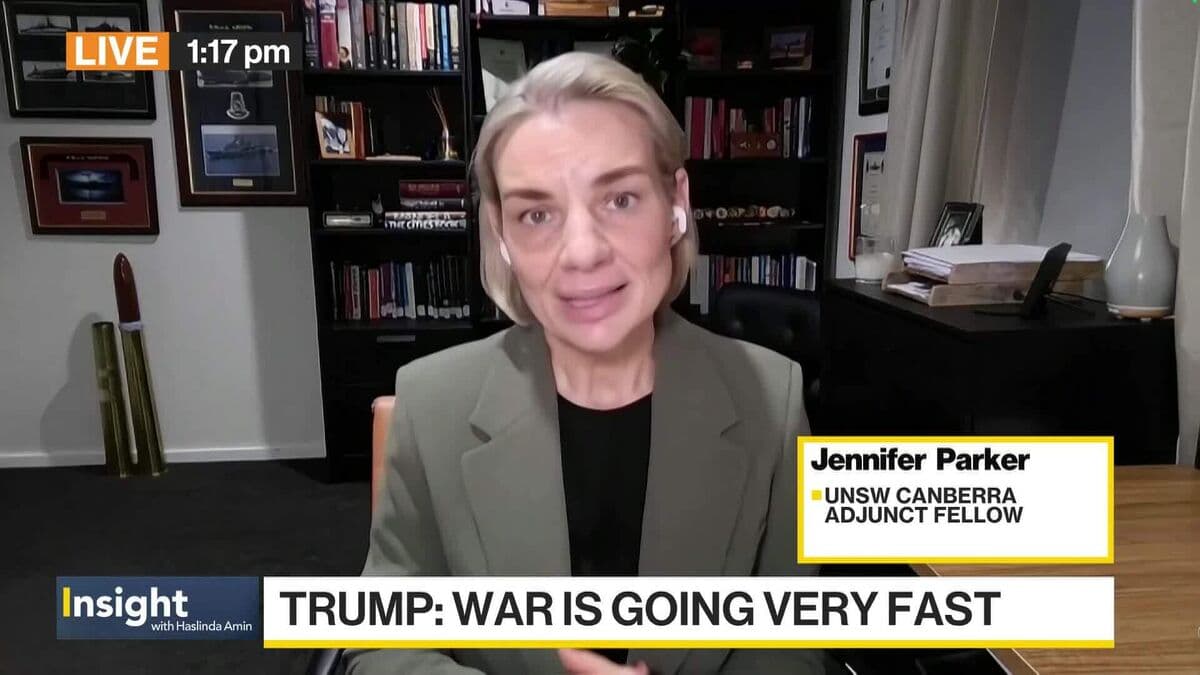
The United States' initiative to impose a 20 percent cargo toll and a corresponding blockade in the Strait of Hormuz is poised to create a financial and legal earthquake in the world's most critical maritime chokepoint.
The Geopolitical Tax of Hormuz: A New Barrier in Supply Chains
This fiscal move in the heart of global oil shipments is being viewed not merely as a security measure, but as an economic instrument that will directly impact energy costs. Jennifer Parker, Adjunct Fellow at UNSW Canberra with over 20 years of experience in the Royal Australian Navy, highlights the systemic risks associated with this development.
Maritime Law and the Diplomatic Breaking Point
In analyses shared via Bloomberg, the legality of the US move under international maritime law and its diplomatic repercussions have become central points of debate. Drawing on her operational expertise, Jennifer Parker emphasizes that such restrictions are not just political signals but interventions that could reshape global trade routes.
A 20 percent cost increase at a critical transit point like the Strait of Hormuz would trigger an instantaneous "Risk-off" wave across markets. I anticipate a scenario where hedge funds aggressively hedge their energy positions, leading to sharp upward breakouts in oil futures. This could accelerate capital flight from emerging markets and trigger liquidity crises, as energy cost shocks remain the primary macro-risk factor dampening global growth expectations.
Related News & Analysis
View All →
Brent Crude Climbs to $89.68 on August 27, 2026: Market Dynamics and Strategic Reserve Impact

Healey’s Immigration Forecast Revision Threatens £4 bn Fiscal Headroom

Solana Breaks $100, Bitcoin Surges Past $80,000: A New Fast-Moving Contender in Crypto

Prediction Markets vs. U.S. Government: The Legal Battle Over Kalshi and Polymarket

Le Pen’s Business‑Winning Blueprint and €10 Billion Spending Cut

Alphabet's £260 Million Settlement: The Digital Giant's Legal Exit
Latest Market News
All News →![[NURVK] NUROL VARLIK KİRALAMA A.Ş.
Pay Dışında Sermaye Piyasası Aracı İşlemlerine İlişkin Bildirim (Faizsiz)
/ NRBNK - TRDNVKA22748 ISIN Kodlu Kira Sertifikasının Satışının Tamamlanması](/_next/image?url=%2Fuploads%2Fkap-default.png&w=3840&q=75)
[NURVK] NUROL VARLIK KİRALAMA A.Ş. Pay Dışında Sermaye Piyasası Aracı İşlemlerine İlişkin Bildirim (Faizsiz) / NRBNK - TRDNVKA22748 ISIN Kodlu Kira Sertifikasının Satışının Tamamlanması

BIST 100 Slides as Fed's Warsh Prepares to Speak: Market Awaits Key Signals
BORSA İSTANBUL BISTECH DEVRE KESİCİ UYGULAMASI Pay Bazında Devre Kesici Bildirimi / MRGYO - MRGYO.E işlem sırasında Pay Bazında Devre Kesici Uygulaması devreye girmiştir
[PBT, PBTR] PASHA YATIRIM BANKASI A.Ş. Kurumsal Yönetim İlkelerine Uyum Derecelendirmesi - Kurumsal Yönetim İlkelerine Uyum Derecelendirmesi Revizyonu
[AKSUE] AKSU ENERJİ VE TİCARET A.Ş. Sermaye Artırımı - Azaltımı İşlemlerine İlişkin Bildirim - Tahsisli sermaye artırımı hakkında