Washington's Energy Chess: The 20% Tariff and Risks in the Oil Equation
Washington ile Tahran arasındaki gerilim, artık sadece diplomatik bir çatışma değil, küresel enerji fiyatlarını manipüle etme kapasitesine dayalı stra
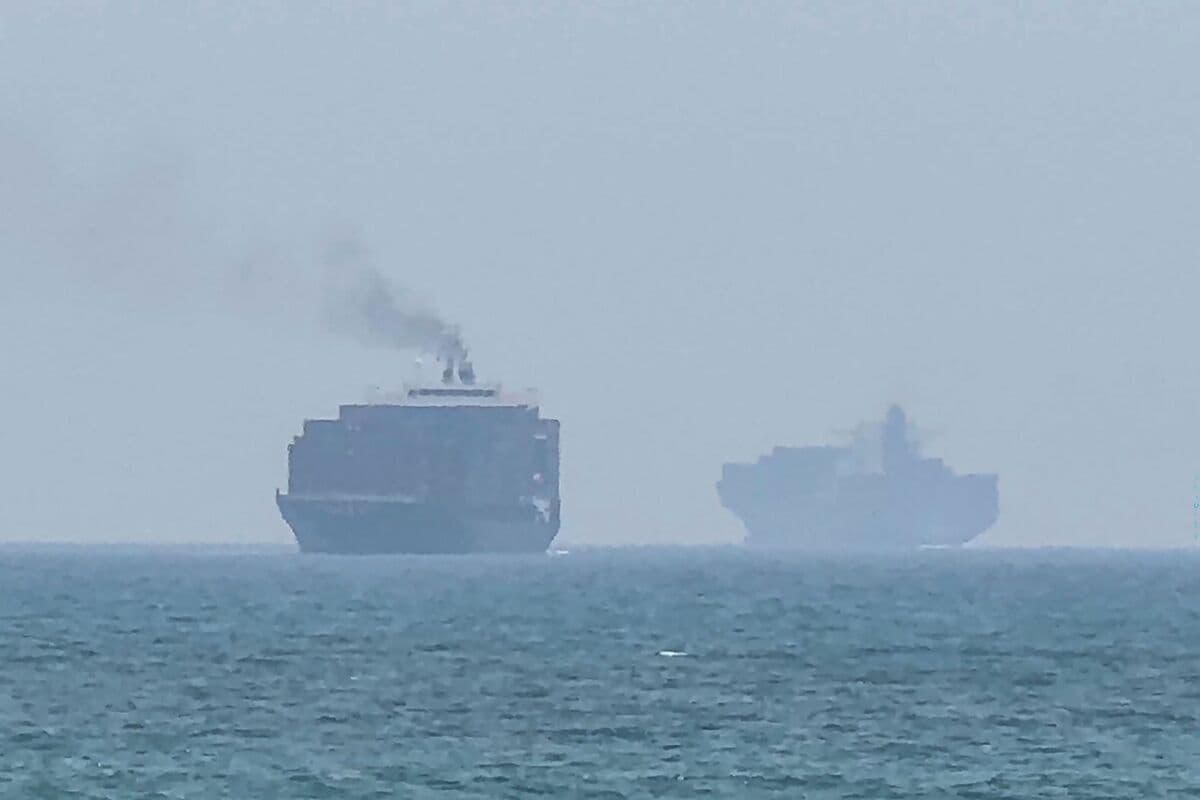
The tension between Washington and Tehran has evolved beyond a mere diplomatic clash into a strategic economic war based on the capacity to manipulate global energy prices. The US administration's strategy is built upon a delicate balance between increasing geopolitical pressure and ensuring that oil prices do not breach critical thresholds.
Customs Tariffs: A Weapon of Economic Deterrence
The 20% levy proposed by the Trump administration is more than a classic trade policy; it is a 'stress test' designed to measure the resilience of the adversary. This move aims to deepen the impact of economic sanctions while reshaping global trade routes.
The 'Red Line' of Oil Prices and Pressure on Tehran
The speed at which the US intensifies pressure on Iran is directly correlated with the trajectory of Brent and WTI oil prices. While a sharp spike in oil prices would increase inflationary pressures within the US domestic market, low prices provide Washington with the maneuvering room to maximize the effectiveness of sanctions.
Any sharp upward movement in oil prices could directly sabotage the European Central Bank's (ECB) fight against inflation. Due to its reliance on energy imports, the Eurozone remains the most fragile link in these trade wars. If the 20% tariffs coincide with energy crises, the ECB's rate-cut timeline could be significantly delayed, potentially pushing the European economy into a stagflation spiral.
Related News & Analysis
View All →
Meta’s $18 Billion Settlement: Child Safety and the Surprising Stock Surge

AI and Investors Converge: StrictlyVC’s New York Summit Signals a Shift in Venture Capital

SSENSE’s U.S. Pivot: Navigating Trump‑Era Tariffs with a Bold New Trade Play
Shawn Fain’s Re‑Election Fight Reshapes Auto Industry and Wall Street

Gap’s Comeback Playbook: Discount Trim and Hailey Bieber Partnership

Brent Crude Climbs to $89.68 on August 27, 2026: Market Dynamics and Strategic Reserve Impact
Latest Market News
All News →
U.S. Negotiates Ownership Stakes in Venezuela's Oil Fields

Zinc Climbs to $4,000: Stock Sell‑Off Fuels Price Support
Meta’s $18 Billion Settlement: Child Safety and the Surprising Stock Surge
AI and Investors Converge: StrictlyVC’s New York Summit Signals a Shift in Venture Capital