
Geopolitical Tensions Reshape Global Finance: $3 Trillion Asset Risk Between Saudi Arabia and UAE
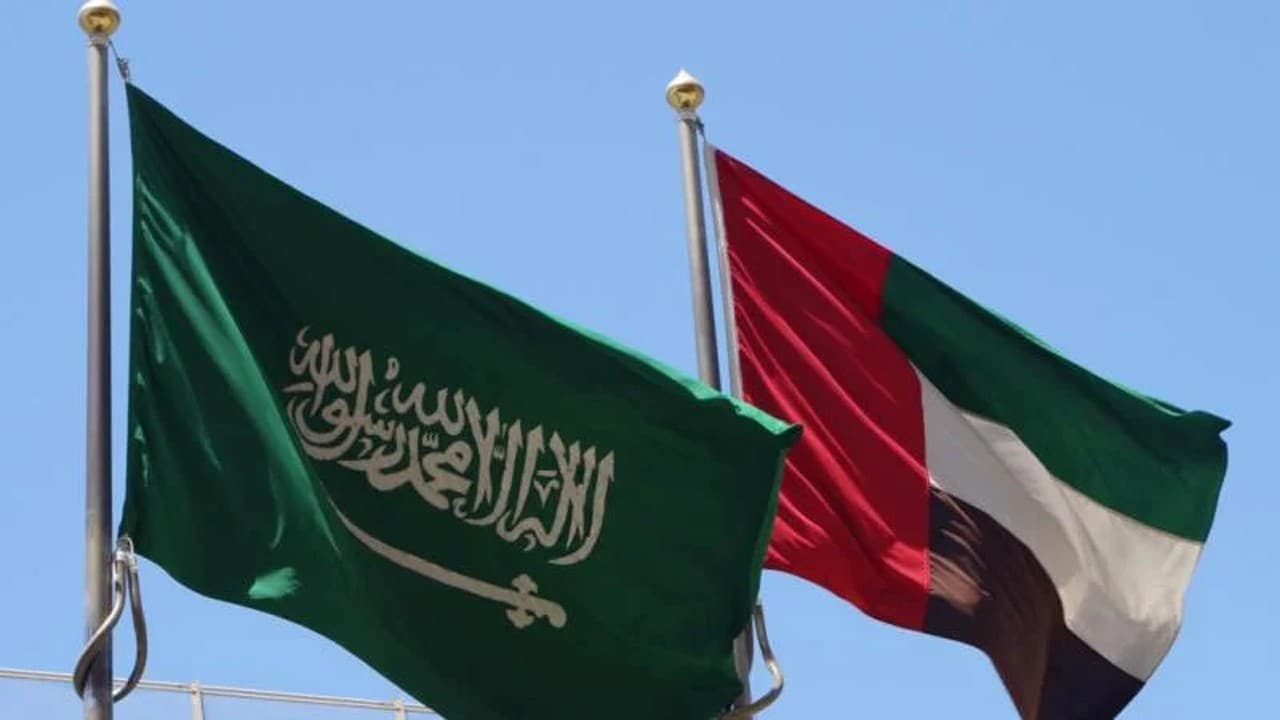
The escalating rivalry between Saudi Arabia and the United Arab Emirates (UAE) is sending shockwaves through global investment circles. According to Bloomberg, leading financial institutions such as Goldman Sachs, Morgan Stanley, BlackRock, Brookfield, and KKR are navigating relationships with both nations' sovereign wealth funds totaling over $3 trillion, while assessing risks from potential fragmentation. Strategic disagreements over Yemen, Sudan, Iran policy, and OPEC withdrawal are deepening, with the UAE's exit from OPEC marking a pivotal escalation.
-
Corporate strategies are pivoting amid growing friction. Recent reports highlight delays in cross-border banking transfers and visa complications for UAE-based firms seeking operations in Saudi Arabia. Multinational corporations are now restructuring regional logistics, revising contracts, and evaluating local partnerships to mitigate exposure to escalating tensions.
-
Energy markets brace for renewed competition. The UAE's post-OPEC independence could unlock flexible production strategies, intensifying price competition globally. Concurrently, Hormuz Strait security risks underscore the rising importance of overland cargo routes within the Gulf, adding pressure to regional supply chains.
-
Gulf-related financial deals hit $300 billion in H1 2026, but further deterioration may dampen revenues. Experts draw parallels to the 2017 Qatar blockade, warning that intensified Saudi-UAE rivalry could replicate systemic financial risks. As geopolitical uncertainty overshadows traditional stability, institutional investors face mounting pressure to recalibrate portfolios in anticipation of prolonged volatility.
>
This geopolitical strain tests market resilience at a time when energy transition and capital flows are already under scrutiny. The UAE's OPEC exit signals a shift toward autonomous energy pricing, potentially destabilizing short-term oil markets. For asset managers, the challenge lies in balancing exposure to two historically stable economies now locked in strategic divergence. Expect tighter compliance frameworks and a reallocation of Gulf-focused investments as institutions seek to insulate portfolios from geopolitical fallout.