
The Warsh Paradox: Unintended Market Turbulence
Küresel finans piyasaları, politika yapıcıların niyetleri ile piyasa gerçekleri arasındaki uçurumun derinleştiği kritik bir eşikte seyrediyor. Özellik
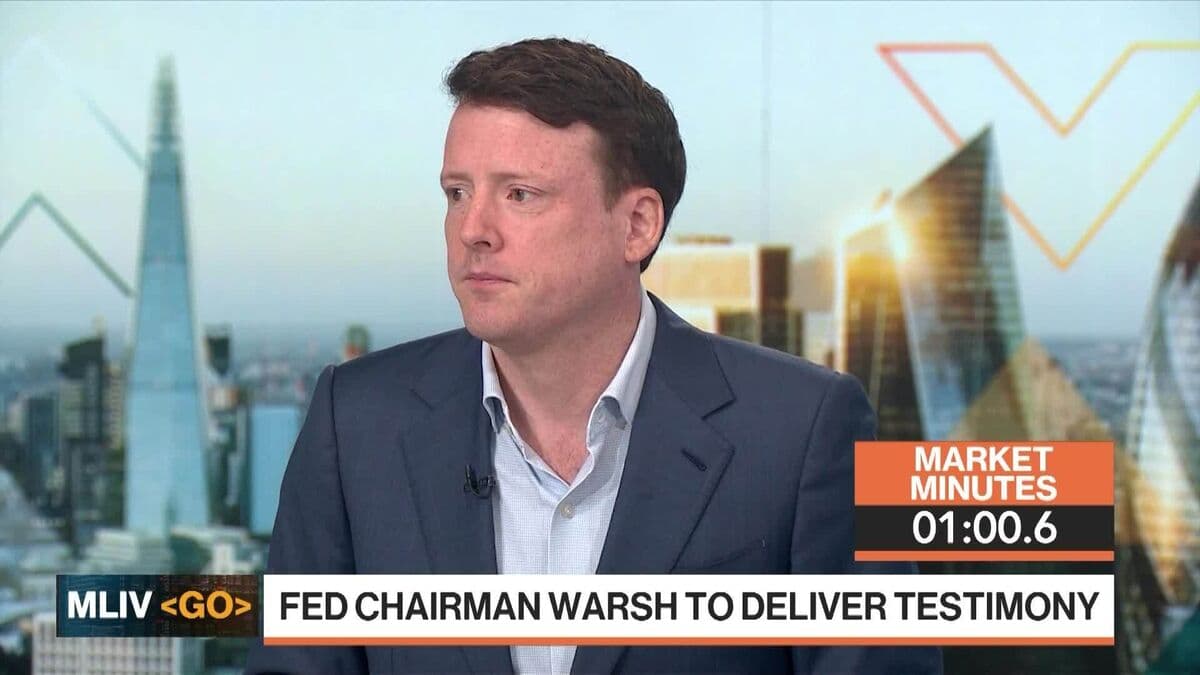
Global financial markets are hovering at a critical threshold where the gap between policymaker intentions and market realities is widening. Specifically, the influence of Warsh on the markets is transcending his own projections and intended boundaries, creating a new zone of uncertainty for investors.
Bloomberg’s Strategic Blueprint for Investors
In a high-stakes breakdown on Bloomberg's "The Opening Trade," Anna Edwards, Tom Mackenzie, and Mark Cudmore analyzed the day's pivotal themes for analysts and institutional investors. The core of the discussion focused on how macroeconomic guidance is being "over-interpreted" by the markets and the resulting ripple effects.
Unintended Volatility: The Gap Between Intent and Impact
The weight of Warsh's influence is shaped not only by technical datasets but also by the perception management he triggers. However, the current landscape suggests that markets are becoming hyper-sensitive rather than adaptive, which may lead to a decoupling of asset pricing from rational fundamentals.
When markets become this sensitive, financial volatility does not remain confined to trading screens; it directly bleeds into commodity pricing and freight costs. Sudden spikes in the cost of capital can dampen investment appetite in maritime shipping, the backbone of global trade. If the markets continue to react more violently than Warsh intended, we may face a new risk of contraction in supply chain financing.
Related News & Analysis
View All →
BofA Analysis: Nvidia Is Not Just Selling Chips, It Is Financing the Global Tech Ecosystem

Fed Alum Warsh Sounds Alarm: Sticky Inflation May Demand Impending Rate Hikes

UK Fuel Price Surge: Inflationary Pressure Mounts on Consumers Ahead of Bank Holiday

NYC Pied-à-Terre Tax Wave Two: 11,000 New Notices and 1,200 Wrongly Targeted Owners Cleared

Meta’s $18 Billion Settlement Shakes Ad and Creator Ecosystem

Beyond the Code: a16z Deploys $1.1B 'Machine Age' Fund to Build AI's Physical Backbone
Latest Market News
All News →Fed Chair Warsh’s Words Ignite Confidence in Bond Markets
Nvidia’s Revenue Surge: SpaceX Fuels a Chip Frenzy
BofA Analysis: Nvidia Is Not Just Selling Chips, It Is Financing the Global Tech Ecosystem
BIST 100 Hovers Near Records: Liquidity Shifts Toward Real Estate Investment Trusts and Commodities
Fed Alum Warsh Sounds Alarm: Sticky Inflation May Demand Impending Rate Hikes
