
Fed Chair Warsh Testifies as Consumer Prices Plummet, Signaling Policy Shift
Federal Reserve Başkanı **Kevin Warsh**, Temsilciler Meclisi Finans Hizmetleri Komitesi önünde, ABD ekonomisinde beklenmedik bir dezenflasyon dalgası

Federal Reserve Chairman Kevin Warsh addressed the House Financial Services Committee on Tuesday, delivering a semiannual monetary policy report against the backdrop of a startling deflationary signal in the U.S. economy.
A Deflationary Shockwave in Consumer Data
The central bank leader's appearance coincided with critical data from the Bureau of Labor Statistics, painting a picture of an economic cooldown that exceeded analyst expectations:
The Fed's Ironclad Commitment to Stability
In his prepared remarks, Warsh pledged a vigilant stance to steer inflation back to the central bank's 2% target, aiming to restore confidence in the markets. The Fed's position is characterized by:
Captain Rıza Deniz Note: The sharp 0.4% drop in consumer prices could signal a pivotal shift in global shipping costs and freight indices. However, if this drop stems from a collapse in demand rather than supply chain efficiency, we may witness a severe contraction in global trade volumes, placing negative pressure on the Baltic Dry Index (BDI). The uncertainty surrounding the Fed's interest rate policy increases cost volatility, particularly in Suez and Panama canal transits, forcing supply chain managers to adopt aggressive risk hedging strategies.
Related News & Analysis
View All →
Trump's Debt and Inflation Quagmire: Market Implications Ahead of the Midterms

Jim Cramer Predicts Substantial Upside for Jersey Mike’s Subs Stock

Mattel Accelerates KPop Demon Hunters Toy Line, Tapping Global Streaming Success

UK Faces AI‑Traffic Crunch Without Faster 5G Rollout

Brave Gains Edge Over Chrome with New Email Alias Feature

Trump Announces Strategic Partnership for Vast Venezuelan Oil Reserves
Latest Market News
All News →
Norway’s 20-Unit Patria Armored Vehicle Order Signals a Shift in Northern European Defense Economics

ADRA GAYRIMENKUL YATIRIM PARTNERSHIP: Turkey's Dual-Faceted Investment Strategy
S&P 500 Climbs Amid AI Frenzy: How Big Tech Titans Shape the Index
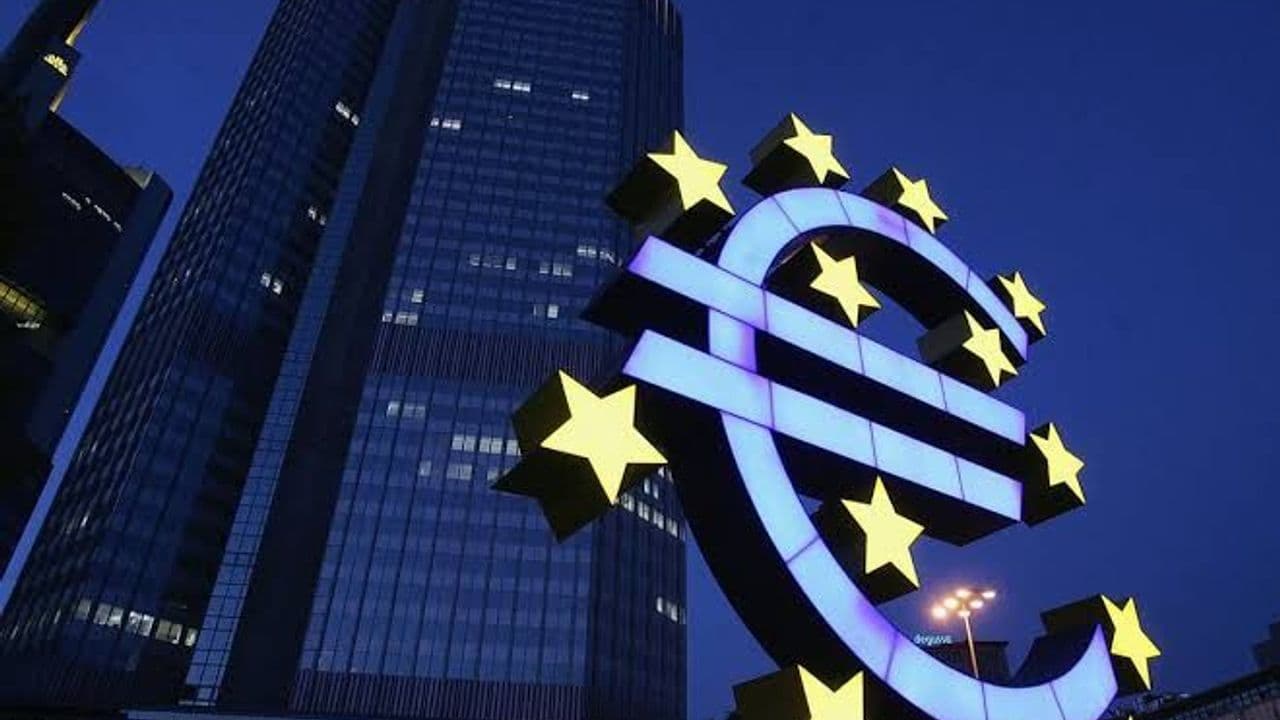
ECB's Middle East Resilience Paves Way for September Rate Hike
Trump's Debt and Inflation Quagmire: Market Implications Ahead of the Midterms