The Great Pivot: Why China Now Dictates Global Oil Prices
Küresel enerji piyasaları, on yıllardır süregelen arz odaklı fiyatlama mekanizmasının köklü bir değişimine tanıklık ediyor. Petrol fiyatlarını belirle
The global energy markets are witnessing a fundamental shift in the supply-driven pricing mechanism that has prevailed for decades. The primary driver of oil prices is no longer merely the cartels managing production quotas, but the appetite and strategic maneuvers of the world's largest importer.
From OPEC's Absolute Dominance to Consumer Hegemony
For decades, OPEC held the power to unilaterally steer the market by tightening or loosening production volumes. Today, however, the center of gravity in the energy equation has shifted from production fields to consumption hubs, specifically China.
The US-Iran Friction and the Supply Risk Paradigm
Traditionally, the fraying of a truce between the U.S. and Iran would trigger panic and expectations of soaring prices. However, this geopolitical tension is no longer sufficient to spike prices in isolation. Markets are now prioritizing the growth figures and energy import volumes of the Chinese economy over potential supply disruptions from Tehran.
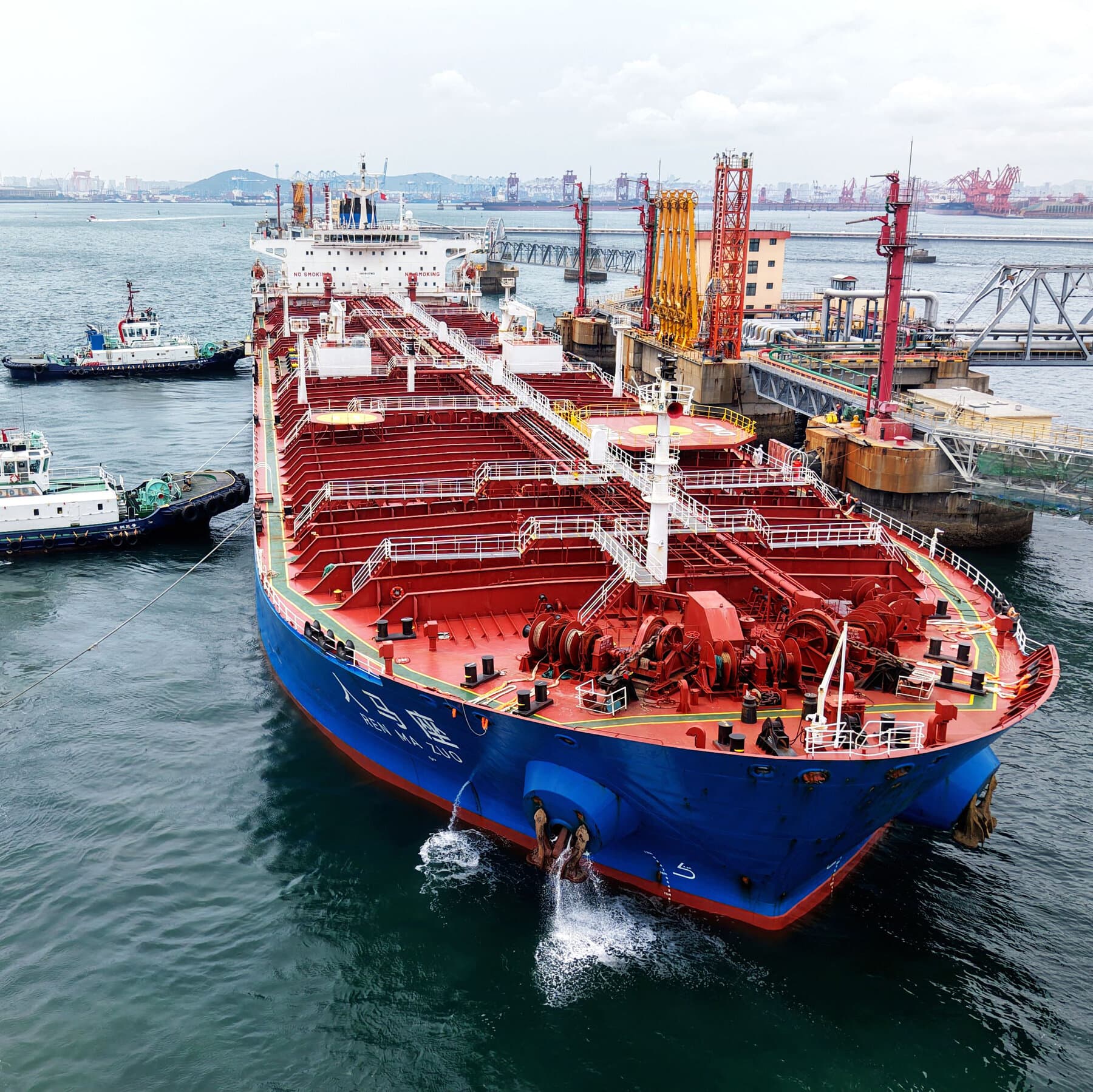
Observing tanker traffic in global maritime trade, it is evident that oil is not just a commodity, but a geopolitical lever. China's demand power is reshaping freight markets and tanker routes, while OPEC's classic production quotas are becoming insufficient to stabilize the market. Should Beijing downshift its energy imports, neither the tensions in Iran nor OPEC's cuts will be enough to drive prices upward. True power no longer resides with those who hold the valve, but with those who pay the bill.
Related News & Analysis
View All →
The White-Collar Exodus: AI Displacement and the Renaissance of Heritage Crafts

US Moves to Impose Fresh Semiconductor Tariffs: A Storm Brewing in the Chip Industry

OpenAI Launches Ads on Free ChatGPT Tiers in India

California Agriculture Faces $800 Million Heat Shock

Shein's Hong Kong IPO: How Skipping London Reshapes Market Dynamics

Cyber Attack Hits Manchester, Stansted and East Midlands Airports, Exposing Data of 8.7 Million Customers
Latest Market News
All News →![[MAALT] MARMARİS ALTINYUNUS TURİSTİK TESİSLER A.Ş.
Maddi Duran Varlık Kiraya Verilmesi veya Ayni Hak Tesisi - Mares Otel Tesislerine ilişkin olarak MP Hotel Management Turizm İnşaat Yatırım A.Ş. ile imzalanan Kira Sözleşmesi'nin TBC Seyahat Acenteliği ve Turizm A.Ş.'ye devri](/_next/image?url=%2Fuploads%2Fkap-default.png&w=3840&q=75)
[MAALT] MARMARİS ALTINYUNUS TURİSTİK TESİSLER A.Ş. Maddi Duran Varlık Kiraya Verilmesi veya Ayni Hak Tesisi - Mares Otel Tesislerine ilişkin olarak MP Hotel Management Turizm İnşaat Yatırım A.Ş. ile imzalanan Kira Sözleşmesi'nin TBC Seyahat Acenteliği ve Turizm A.Ş.'ye devri
The White-Collar Exodus: AI Displacement and the Renaissance of Heritage Crafts
[HALKB, THL] TÜRKİYE HALK BANKASI A.Ş. Sermaye Artırımından Elde Edilecek - Edilen Fonun Kullanımına İlişkin Rapor - Sermaye Artırımından Elde Edilecek Fonun Kullanımına İlişkin Rapor
[HALKB, THL] TÜRKİYE HALK BANKASI A.Ş. İzahname (SPK Onayına Sunulan) - İzahname
[HALKB, THL] TÜRKİYE HALK BANKASI A.Ş. Sermaye Artırımı - Azaltımı İşlemlerine İlişkin Bildirim - Halka Arz Yoluyla Sermaye Artırımına İlişkin SPK Başvurusu