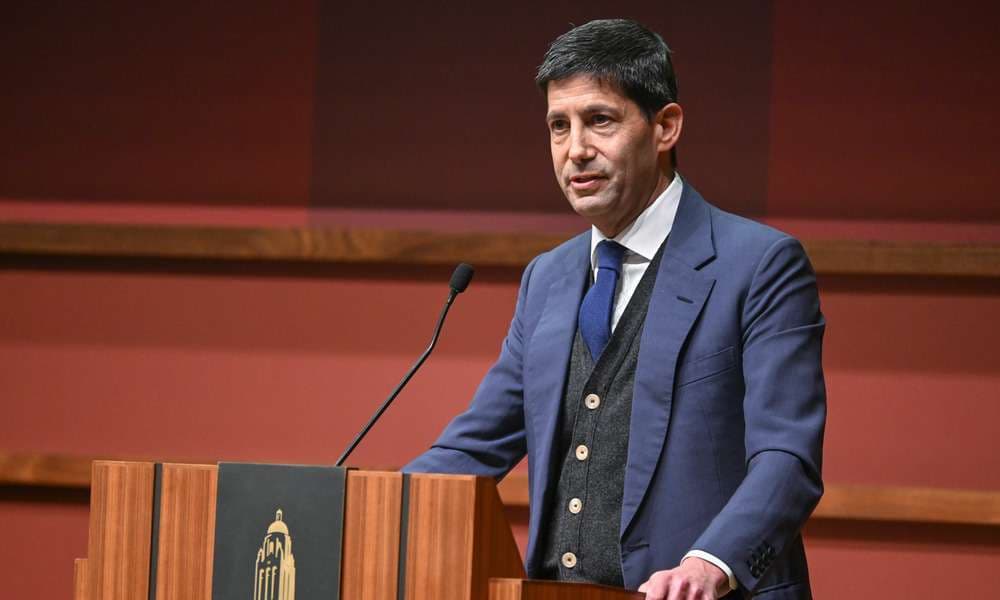
Three Generations at Muangthai Capital: New CEO Parithad Petampai Defends Microfinance's Social Impact in Thailand
724FinanceDefne Aydın
Key Highlights
Parithad Petampai, Thailand’in en büyük mikro finans şirketi **Muangthai Capital**'de beklenmedik bir şekilde CEO'luk yapmaya başladı. Babası **Chucha

Parithad Petampai, Thailand's largest microfinance provider Muangthai Capital, unexpectedly became CEO after his father Chuchat Patcharachai was deemed legally incapacitated. The company, founded in 1992 as a motorcycle financing business, went public in 2014, raising 3 billion Thai baht ($89.9 million). Petampai, who joined the family business in 2015 after stints at Goldman Sachs and Kasikornbank, now leads over 9,000 branches and reports 30.74 billion Thai baht ($936 million) in revenue for 2025.
Generational Leadership Transition at Muangthai Capital
Microfinance Risks in Thailand and Asia-Pacific Markets
Microfinance in emerging markets like Thailand walks a tightrope between social impact and profitability. While high-interest rates and regulatory gaps pose risks, companies like Muangthai Capital exemplify how financial inclusion can drive economic mobility. The sector's growth aligns with broader trends in Asia-Pacific, where technological adoption and cross-border investments—especially amid U.S.-China tensions—are reshaping financial landscapes. Thailand's SET Index surge and upgraded credit outlook signal potential for such models to thrive under supportive policies.
Related News & Analysis
View All →
Amazon Triples Nvidia Chip Orders, Shocking Investors: Market Impacts

Instinct Secures $350M Funding, Hits $2.5B Valuation

Thames Water’s ‘Forever Chemicals’ Scandal: PFAS Levels Hit 13× Legal Limit
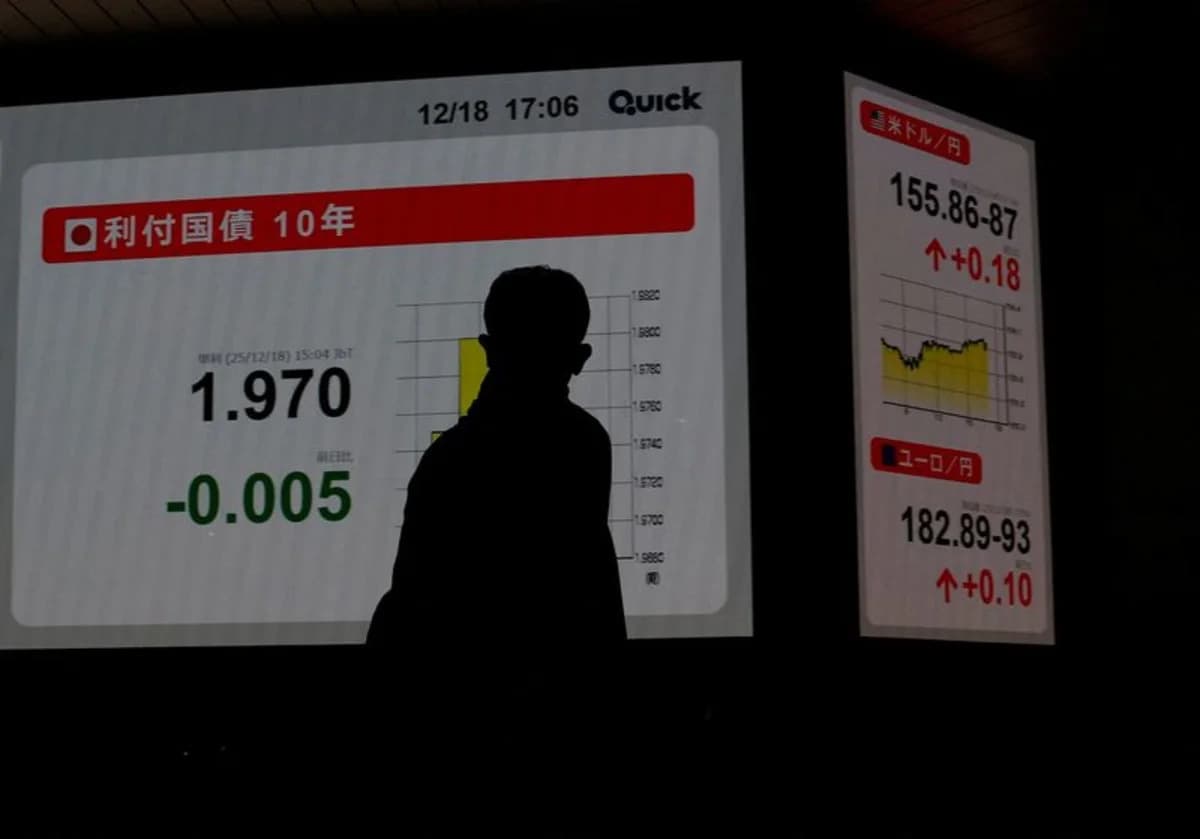
Japan’s Blockchain‑Powered Instant Settlement Drive: A New Momentum for Financial Markets
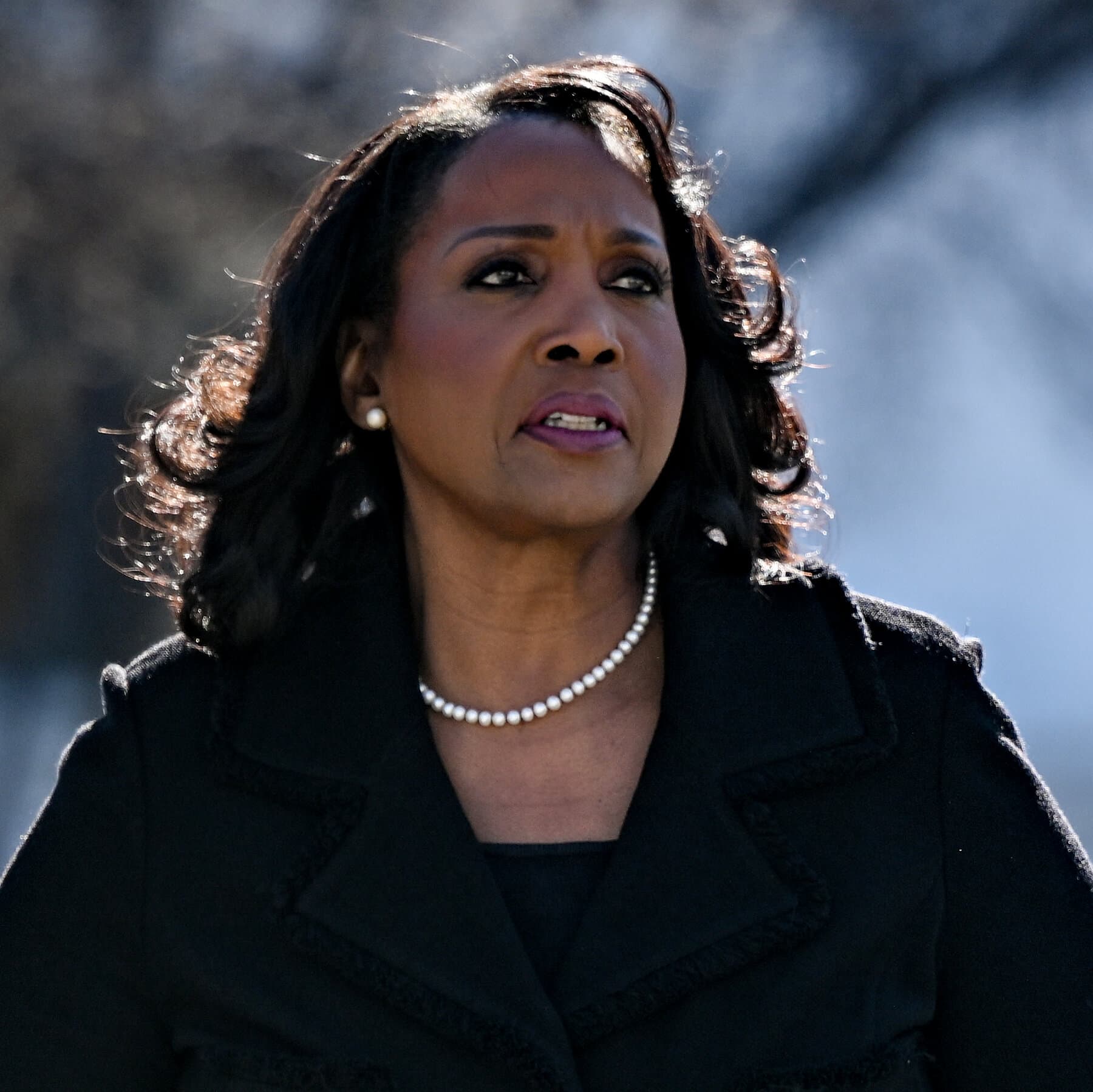
Lisa Cook Rebuts Trump’s Mortgage Fraud Claims: Implications for Fed Policy

Trump Administration Aims to Classify Billion-Dollar Firms as ‘Small’ Businesses
Latest Market News
All News →Amazon Triples Nvidia Chip Orders, Shocking Investors: Market Impacts

Fed Fears Send Crypto to the Ground: Bitcoin Falls Below $79,000, XRP Slides 28%

September Central Bank Calendar: Geopolitical Tensions Shape Rate Outlook

Tokenized Deposits Threaten U.S. Credit Costs: What Investors Need to Know
![[EKOS] EKOS TEKNOLOJİ VE ELEKTRİK A.Ş.
Kurumsal Yönetim Bilgi Formu (Güncelleme) - Yönetim Kurulu-2 - Sürdürülebilirlik Komitesine İlişkin Form Güncellemesi](/_next/image?url=%2Fuploads%2Fkap-default.png&w=3840&q=75)
[EKOS] EKOS TEKNOLOJİ VE ELEKTRİK A.Ş. Kurumsal Yönetim Bilgi Formu (Güncelleme) - Yönetim Kurulu-2 - Sürdürülebilirlik Komitesine İlişkin Form Güncellemesi