
AI-Driven Displacement of Senior Workforce: A Structural Risk to Social Security
Onlarca yıl boyunca iş tecrübesi, istikrarlı bir kariyer ve güvenli bir emeklilik için en büyük güvence olarak kabul edildi; ancak üretken yapay zeka
For decades, professional experience was the cornerstone of career stability and retirement security; however, generative artificial intelligence is fundamentally dismantling this paradigm. In the United States, workers aged 55 and older in AI-exposed sectors are no longer opting for voluntary early retirement, but are instead facing a wave of involuntary displacement.
The Algorithmic Purge of White-Collar Roles
New findings from the Center for Retirement Research at Boston College reveal a dramatic surge in job exits among senior professionals in high-AI-exposure occupations since the launch of ChatGPT in late 2022. Crucially, these departures are being driven by unemployment rather than planned retirement.
Key sector-specific shifts include:
Fiscal Fragility and Social Security Reform
This rapid workforce transition is complicating the high-stakes debate over Social Security reform in the U.S. As senior workers are displaced rather than retiring, the fiscal solvency of the retirement system faces new pressures.
We are witnessing a structural shift where AI is not merely augmenting labor but actively displacing high-earning, senior demographics. From a macro strategy perspective, this creates a dual risk: a potential contraction in senior-level consumption and a tightening of Social Security solvency. This trend could force aggressive fiscal policy shifts and impact long-term U.S. economic growth trajectories as the traditional link between experience and stable income is severed.
Related News & Analysis
View All →
The 1873 Silver Crisis: Birth of the Gold Standard and Its Echoes in Modern Monetary Policy

SLB's $4.1 Billion Data Center Deal Ignites Industry Growth

PDF Solutions (PDFS): Semiconductor Software Firm Delivers 52% Q2 Return in High-Beta Strategy
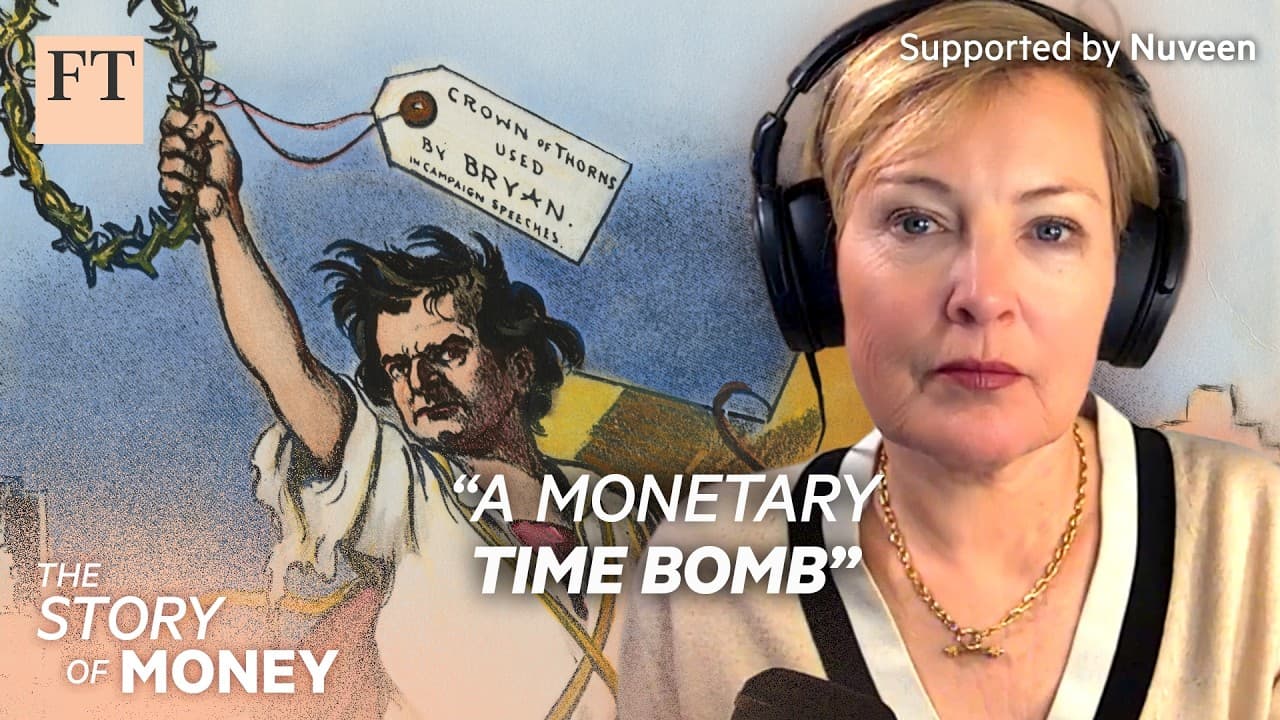
Money and History: Gillian Tett and Robin Wigglesworth's Evolution of Currency

Did Venezuela's Oil Deal Succeed? Could Iran Be Next?

Netflix's Cannes-Winning 'La Bola Negra' Set to Impact Cinema and Markets
Latest Market News
All News →![[MLB] BANK OF AMERICA YATIRIM BANK A.Ş.
Toptan Alış Satış İşlemi Bildirimi
/ TUPRS - BofaYB Toptan Satış İşlemleri_TUPRS](/_next/image?url=%2Fuploads%2Fkap-default.png&w=3840&q=75)
[MLB] BANK OF AMERICA YATIRIM BANK A.Ş. Toptan Alış Satış İşlemi Bildirimi / TUPRS - BofaYB Toptan Satış İşlemleri_TUPRS
[HUZFA] HUZUR FAKTORİNG A.Ş. Pay Dışında Sermaye Piyasası Aracı İşlemlerine İlişkin Bildirim (Faiz İçeren) - TRFHZRF92610 ISIN KODLU FİNANSMAN BONOSU 4.KUPON ÖDEMESİ VE İTFASI
[ISFIN] İŞ FİNANSAL KİRALAMA A.Ş. Pay Dışında Sermaye Piyasası Aracı İşlemlerine İlişkin Bildirim (Faiz İçeren) - TRFISFN92711 ISIN Kodlu Finansman Bonosu İhracı
[ISVEA] İSVEA SERAMİK VE BANYO ÜRÜNLERİ SANAYİ A.Ş. Sermaye Artırımından Elde Edilecek - Edilen Fonun Kullanımına İlişkin Rapor - Sermaye Artırımından Elde Edilen Fonun Kullanımına İlişkin Rapor
[DENFA] DENİZ FAKTORİNG A.Ş. İhraç Tavanına İlişkin Bildirim - Şirketimizin Türk Lirası cinsinden yurtiçi ihraçlarda 11.500.000.000 TL (Onbirmilyarbeşyüzmilyon Türk Lirası)'na kadar borçlanma araçlarının halka arz edilmeksizin ihracına YKK alınmıştır