
The Investment Loophole: Prediction Markets Redefining World Cup Wagering Taxes
Dünya Kupası heyecanı, finansal piyasalarda alışılmadık bir vergi tartışmasını beraberinde getiriyor; geleneksel bahis siteleri yerine tahmin pazarlar
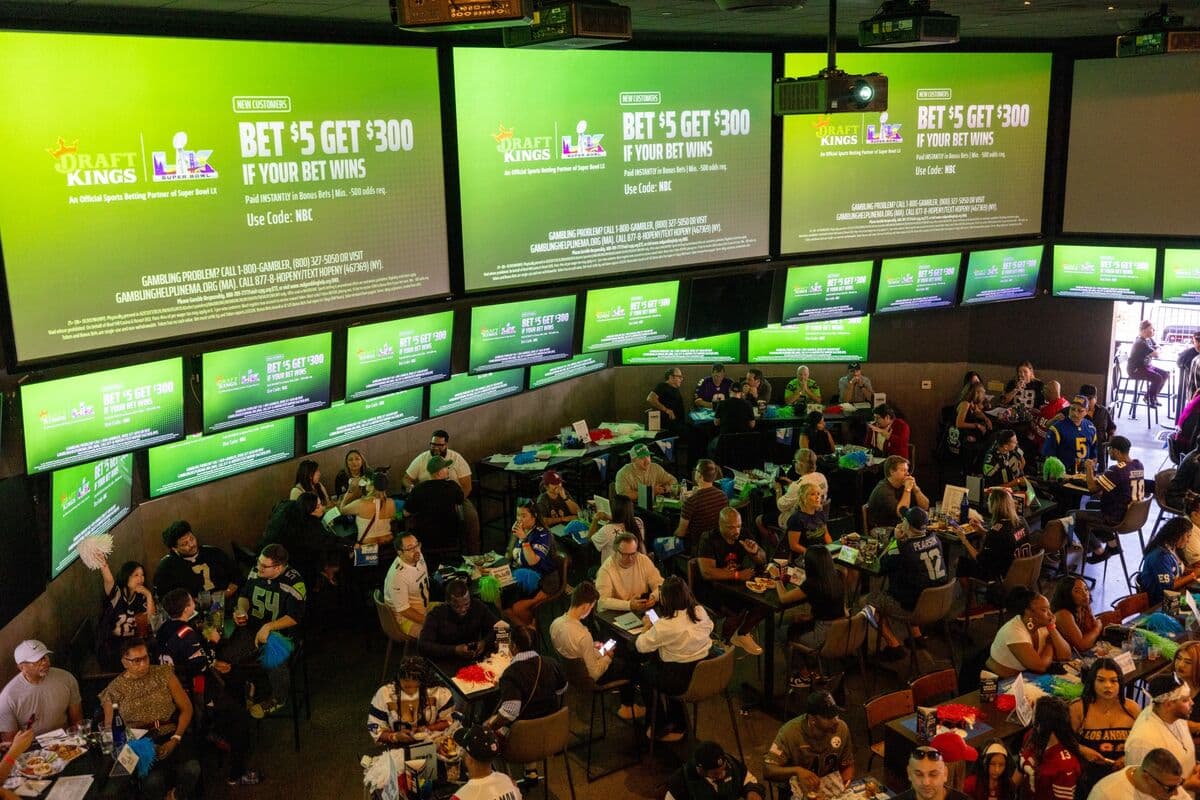
The excitement of the World Cup is triggering an unusual tax debate in financial circles; investors utilizing prediction markets instead of traditional sportsbooks are moving toward a significant tax advantage.
The Thin Line Between Gambling and Investment
For American bettors, transactions related to the World Cup incur entirely different tax obligations depending on the platform used. While wagers through traditional sportsbooks are categorized strictly as 'gambling,' transactions on prediction markets possess the potential to be classified as 'investments.'
Integration of Capital Markets into the Betting World
Prediction markets operate by pricing the probability of an event occurring as if it were an asset price. This mechanism transforms a bet from a game of chance into a financial transaction based on risk management and probability calculations.
The financialization of prediction markets is essentially the merger of data mining and probability calculus with traditional financial instruments. Just as capacity forecasts in the semiconductor industry drive stock volatility, these markets price real-world data in real-time. Should these tax advantages persist, the concept of 'betting' will vanish, replaced by 'probability investing,' signaling the birth of a new asset class within the financial ecosystem.
Related News & Analysis
View All →
Samsung to Pay Swatch $11.6 Million Over Copycat Smartwatch Apps

Fed’s PCE Inflation: Uncertain Rate Path Ahead of Jackson Hole

QueryStory Secures $6M Seed to Reshape Query Market

How the US‑Canada Trade War Is Reshaping Retail Prices and Inflation Outlook

July PCE Inflation Stays Elevated Amid Energy Surge
US Futures Hold Steady as Inflation Data and Nvidia Earnings Shape Market Outlook
Latest Market News
All News →![[IDGYO] İDEALİST GAYRİMENKUL YATIRIM ORTAKLIĞI A.Ş.
Sermaye Artırımı - Azaltımı İşlemlerine İlişkin Bildirim - Bedelli Sermaye Artırımı Başvurumuz hakkında](/_next/image?url=%2Fuploads%2Fkap-default.png&w=3840&q=75)
[IDGYO] İDEALİST GAYRİMENKUL YATIRIM ORTAKLIĞI A.Ş. Sermaye Artırımı - Azaltımı İşlemlerine İlişkin Bildirim - Bedelli Sermaye Artırımı Başvurumuz hakkında
[PAHOL] PASİFİK HOLDİNG A.Ş. Payların Geri Alınmasına İlişkin Bildirim - Pay geri alımı hakkında
[HKTM] HİDROPAR HAREKET KONTROL TEKNOLOJİLERİ MERKEZİ SANAYİ VE TİCARET A.Ş. Kurumsal Yönetim Bilgi Formu (Güncelleme) - Yönetim Kurulu-2 - Yönetim Kurulu Komitelerinde Yapılan Degişiklik Hakkında.
[OYA, OYYAT] OYAK YATIRIM MENKUL DEĞERLER A.Ş. Piyasa Yapıcılığı Kapsamında Gerçekleştirilen İşlemler Bildirimi / OYAYO - 26/08/2026 TARİHLİ OYAYO PİYASA YAPICILIĞI İŞLEMLERİ
[ATSYH] ATLANTİS YATIRIM HOLDİNG A.Ş. Özel Durum Açıklaması (Genel) - Gönüllü Pay Alım teklifi Fiyatının 104,00 TL olarak revize edilmesi