
Turkey's 23-Year Economic Leap: Defense Industry and Global Positioning
724FinanceCaner Yılmaz
Key Highlights
Cumhurbaşkanı Yardımcısı Cevdet Yılmaz, 'Türkiye Raporu: Alan Öngörüleri ve Politika Önerileri' programında, ülkenin son 23 yılda dünya ekonomisine gö
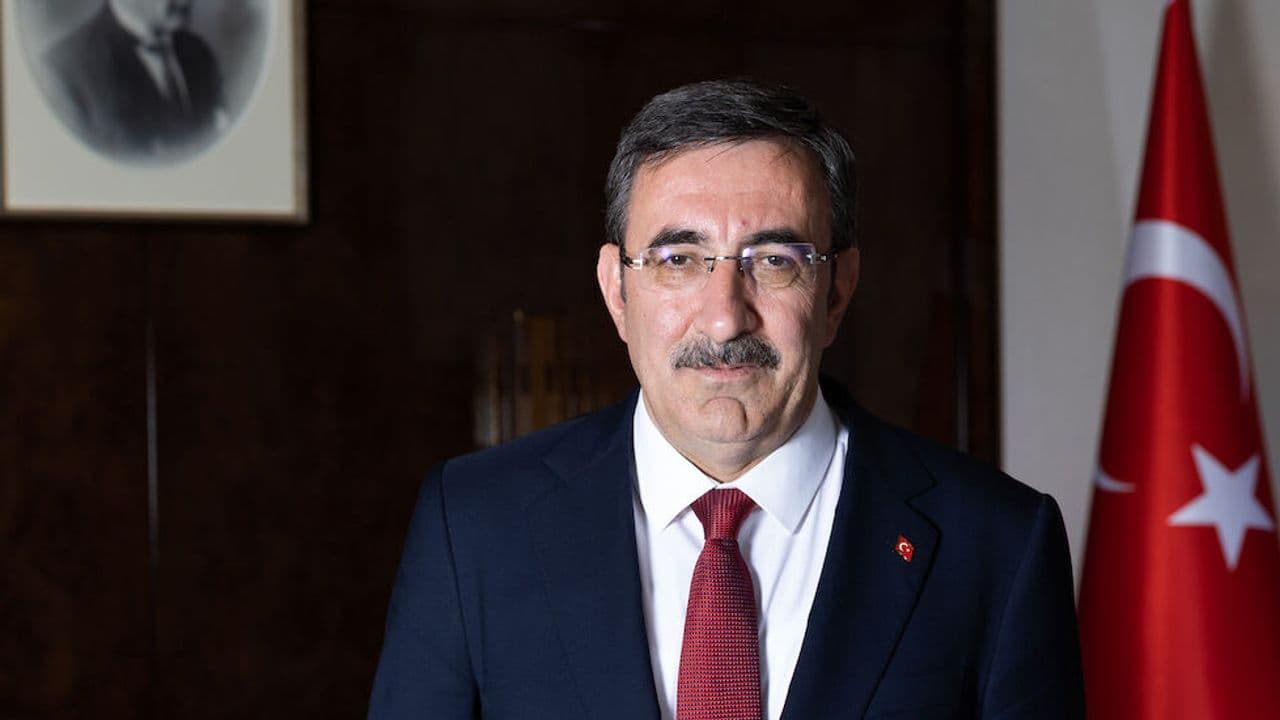
Vice President Cevdet Yılmaz emphasized Turkey's superior economic performance over the past 23 years, with a 5.3% growth rate compared to the global average of 3.5%. Despite challenges like the pandemic, regional conflicts, and the 1999 earthquake, Turkey achieved a 35% growth in six years, while global growth remained at 19%. Per capita income rose from $3,600 to over $18,000, transitioning the country to upper-middle-income status.
Overcoming Crises Through Resilient Policies
Energy and Water Security: Strategic Priorities
Democracy and Political Stability Driving Economic Growth
Kerem Tufan Analysis: Turkey's 23-year economic trajectory validates the correlation between political stability and macroeconomic resilience. Defense sector localization reduces external dependencies amid global supply chain uncertainties. However, sustained investments in energy and water security will be pivotal for long-term competitiveness. Banking sector policies must address SME credit tightening to sustain this momentum.
Related News & Analysis
View All →
Fed Rate Hike Expectations Put Pressure on Bitcoin

Venezuela, US and NABEP Forge a $100 Billion Oil Revolution
İTO Forecasts August Inflation: A Market Crossroads

China's Solar Surge Overtakes Coal: A New Era in Global Energy Balance

Anthropic's Nvidia-Backed Lambda Deal: The Shadow of a $35 Billion Investment on Banking

Coca-Cola Beverages Leadership Change: Future of Dividend and Buyback Strategies
Latest Market News
All News →
BORSA İSTANBUL A.Ş. Endekslerde Kullanılan Fiili Dolaşımdaki Pay Oranı Değişiklikleri / BJKAS, CWENE, DGNMO, EFOR, GIPTA, GUNDG, OZATD, PASEU, TMPOL - -
[KATVK] KATILIM VARLIK KİRALAMA A.Ş. İhraç Tavanına İlişkin Bildirim / ANFIN - Kira Sertifikası İhraç Tavanı SPK Başvurusu
BORSA İSTANBUL BISTECH DEVRE KESİCİ UYGULAMASI Pay Bazında Devre Kesici Bildirimi / CANTE - CANTE.E işlem sırasında Pay Bazında Devre Kesici Uygulaması devreye girmiştir
[GZNMI] GEZİNOMİ SEYAHAT TURİZM TİCARET A.Ş. Pay Dışında Sermaye Piyasası Aracı İşlemlerine İlişkin Bildirim (Faiz İçeren) - TRFGZNM92617 ISIN kodlu borçlanma aracının itfa ve kupon ödemesi
Swiss Life's Profitable Contraction: The Paradox of Workforce Reduction Amidst Financial Strength