
AI Triggers Deepening Memory Chip Crisis as Prices Soar Sixfold
Küresel teknoloji ekosistemi, yapay zeka (AI) uygulamalarının yarattığı devasa talep ile birlikte benzeri görülmemiş bir tedarik darboğazına doğru sür

The global technology ecosystem is being driven into an unprecedented supply bottleneck by the colossal demand generated by artificial intelligence (AI) applications, triggering a new wave of crisis dubbed 'RAMaggedon.' In an environment where memory chip prices for consumers have skyrocketed sixfold, industry leaders are warning that the supply-demand imbalance will persist for many years.
The 'RAMaggedon' Effect in Global Supply Chains
The Chief Financial Officer (CFO) of Samsung Electronics delivered a shocking forecast to the markets, officially declaring that the shortage in digital data storage capacity is not merely a temporary fluctuation but has evolved into a structural problem. The statement by the company's top executive dissipated the optimistic atmosphere in the sector, clarifying the risks for the upcoming period:
Inflationary Pressures and Cost Shocks
This supply crisis creates a chain effect spreading from the consumer electronics segment to macroeconomic indicators. As memory chips are the 'oil' of modern industry, these price hikes are poised to hit not only smartphones and computers but also data centers and the automotive industry.
This demand boom driven by artificial intelligence actually signals a potential structural rupture reshaping global inflation dynamics. It is becoming increasingly difficult for central banks to control this supply-side cost shock solely through demand management. In emerging economies like Turkey, such sharp increases in the costs of imported intermediate goods can create persistent pressures on the current account deficit and producer price inflation. From the perspective of fiscal policies, minimizing the externalities caused by this technological dependency by introducing domestic production incentives and strategic reserve mechanisms is now no longer a luxury, but a necessity.
Related News & Analysis
View All →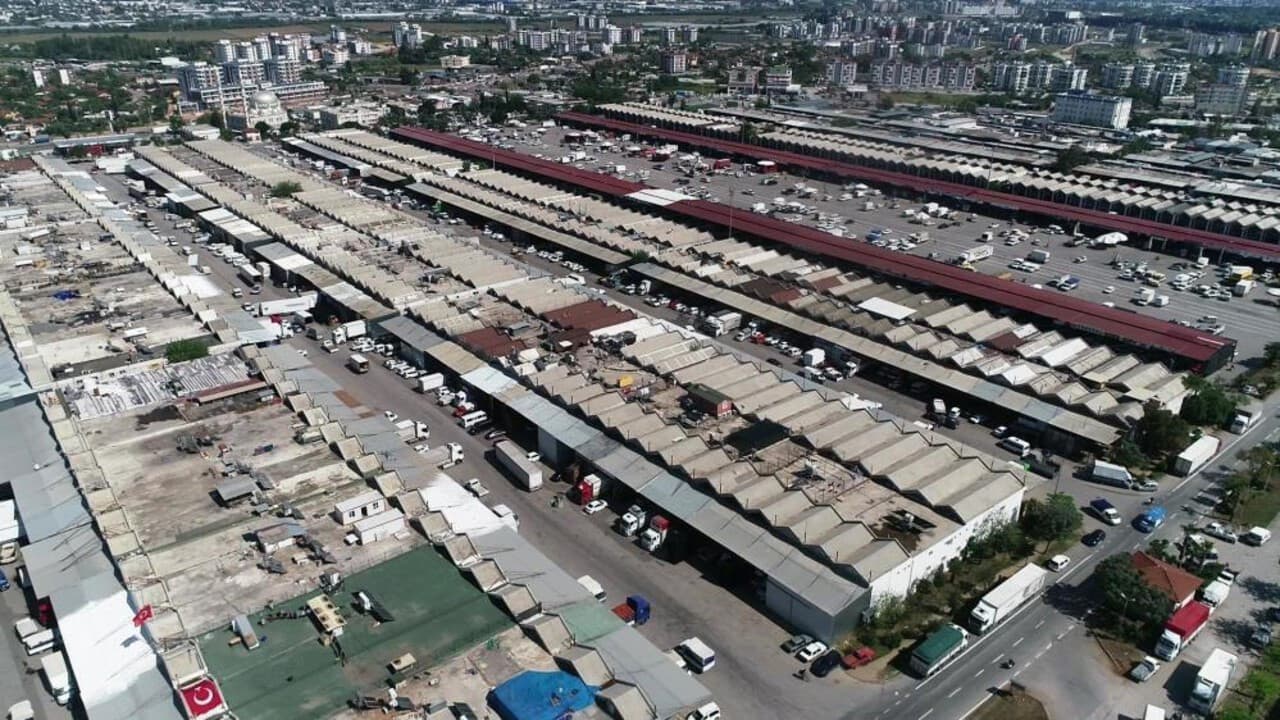
Antalya Trade Exchange Shocks: Vegetable Prices Up 64% While Tomatoes Surge 41%
Industry Ministry Drops 175 Million Lira Fine: 2,441 Non‑Compliant Products Scrutinized

Japan’s Heat Wave Forces Companies to Trim Working Hours

Credit Intervention for Artisan Liquidity Bottlenecks: Strategic Move to Boost Production Capacity
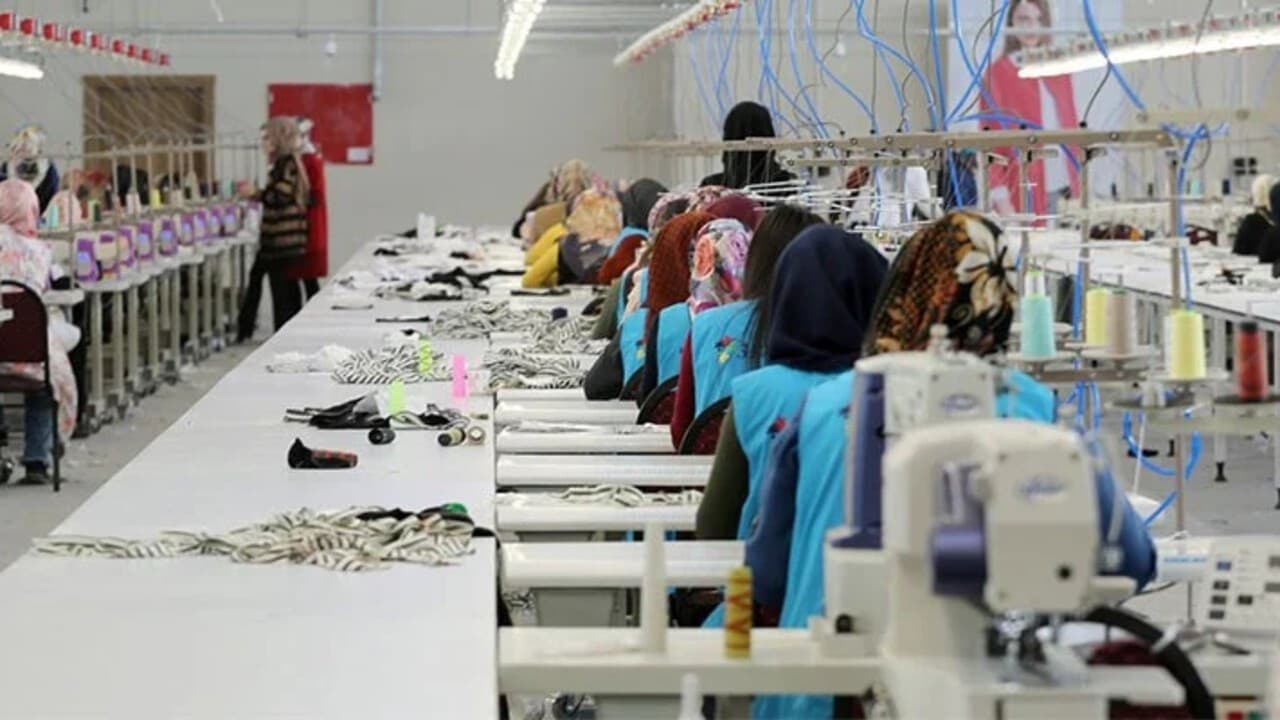
Large‑Scale Crackdown on Unregistered Workplaces: 143,000 Illegal Employers Exposed

Toyota's Credit Offensive: 1.5 Million TL Zero-Interest Opportunity Shakes Up the Market
Latest Market News
All News →
Record Fine Bill of 176 Million Lira in Industrial Inspections

Education Economy in Crisis: HBCUs Grapple with Funding Cuts While Investment Returns Shine

The Face of the Euro Changes: ECB's Historic Redesign Move and the New Era of Cash

Istanbul Airport Sets European Record: New Peak in Tourism and Logistics
