
Zurich Retains Global Lead in Disposable Income Despite $7 Coffee Prices
Zürih, yüksek yaşam maliyetlerine rağmen yurtiçindeki atık gelir seviyelerinde dünyada bir numara olduğunu gösteren bir anket sonucuyla dikkat çekti.
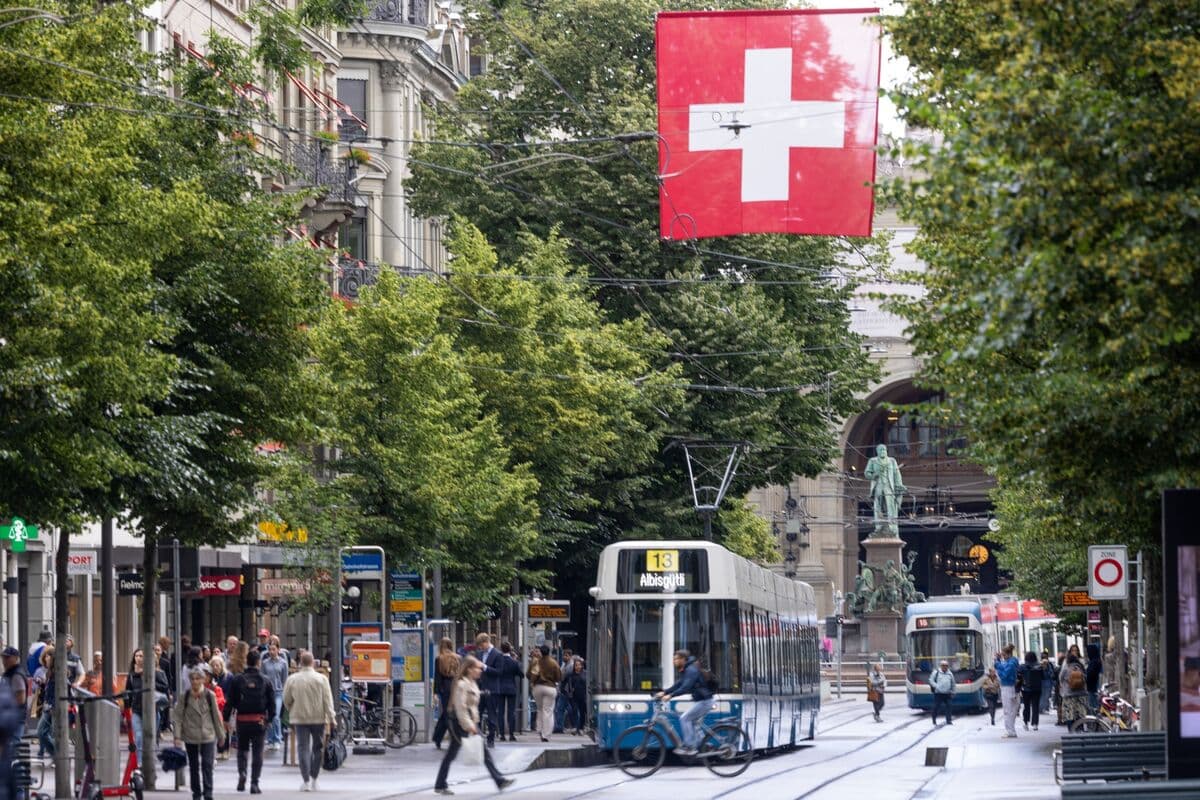
Zurich has captured attention by ranking first in a global poll on disposable income levels, despite the city's notorious $7 coffee prices. While the cost of living in Switzerland remains among the highest worldwide, local households exhibit stronger purchasing power compared to many European counterparts. This paradox stems from Zurich's robust monetary policies and its dominant position in the financial services sector. The city's income-cost imbalance holds significant implications for global capital flows, attracting high-income professionals while simultaneously posing risks for investors due to elevated expenses. The survey underscores an uneven income distribution but highlights the overall strength of Zurich's economic base. High savings rates and low tax burdens further enhance the city's appeal to credit and fund investors, positioning it as a strategic hub for capital allocation. However, escalating living costs raise sustainability concerns for younger demographics. From a macroeconomic perspective, Zurich's resilience during crisis periods underscores its status as a stable economic indicator. The city's high-income demographic also drives up property values, prompting investors to focus on real estate opportunities. Zurich's unique profile significantly influences risk-on / risk-off cycles, offering liquidity-seeking investors an attractive yet complex landscape. Hedge funds are increasingly targeting the city's affluent portfolios, though rising costs may deter smaller investors. This dynamic exemplifies a compelling case study within global economic rankings.
Bora Yalın Analysis: Zurich's paradoxical standing presents a nuanced picture for international capital flows. While its concentration of high-income professionals reinforces financial stability, escalating costs introduce risk considerations. This duality directly impacts risk-on / risk-off dynamics, with Zurich serving as both a liquidity magnet and a sustainability challenge. The city's trajectory reflects broader trends in economy and macroeconomic structures, offering critical insights into urban resilience and investor behavior.
Related News & Analysis
View All →
Le Pen’s Business‑Winning Blueprint and €10 Billion Spending Cut

Alphabet's £260 Million Settlement: The Digital Giant's Legal Exit

Social Security Crisis: Wealthy Baby Boomers and National Debt
A. O. Smith Corp (AOS) Stock: Wall Street Outlook and Risk Analysis

How China's Open-Source AI is Winning Over U.S. Businesses

OpenAI's Jalapeño Chip: A New Era of AI Efficiency
Latest Market News
All News →
Starkware's Quantum-Safe Bitcoin Transaction Marks a New Era in Crypto Security
![[BALAT] BALATACILAR BALATACILIK SANAYİ VE TİCARET A.Ş.
Payların Geri Alınmasına İlişkin Bildirim - 27.08.2026 Tarihli Pay Geri Alımı Hakkında](/_next/image?url=%2Fuploads%2Fkap-default.png&w=3840&q=75)
[BALAT] BALATACILAR BALATACILIK SANAYİ VE TİCARET A.Ş. Payların Geri Alınmasına İlişkin Bildirim - 27.08.2026 Tarihli Pay Geri Alımı Hakkında
Le Pen’s Business‑Winning Blueprint and €10 Billion Spending Cut
Turkey's Gold Strategy: Seizing the 10,000‑Ton Opportunity
Alphabet's £260 Million Settlement: The Digital Giant's Legal Exit