
Household Debt Burden Reaches Critical Level: Individual Loan NPLs Hit Nine-Year Peak
Türkiye'de hanehalkının bankalara olan borç yükü endişe verici bir hızla artarken, bireysel kredilerdeki takip oranları son **dokuz yılın en yüksek se
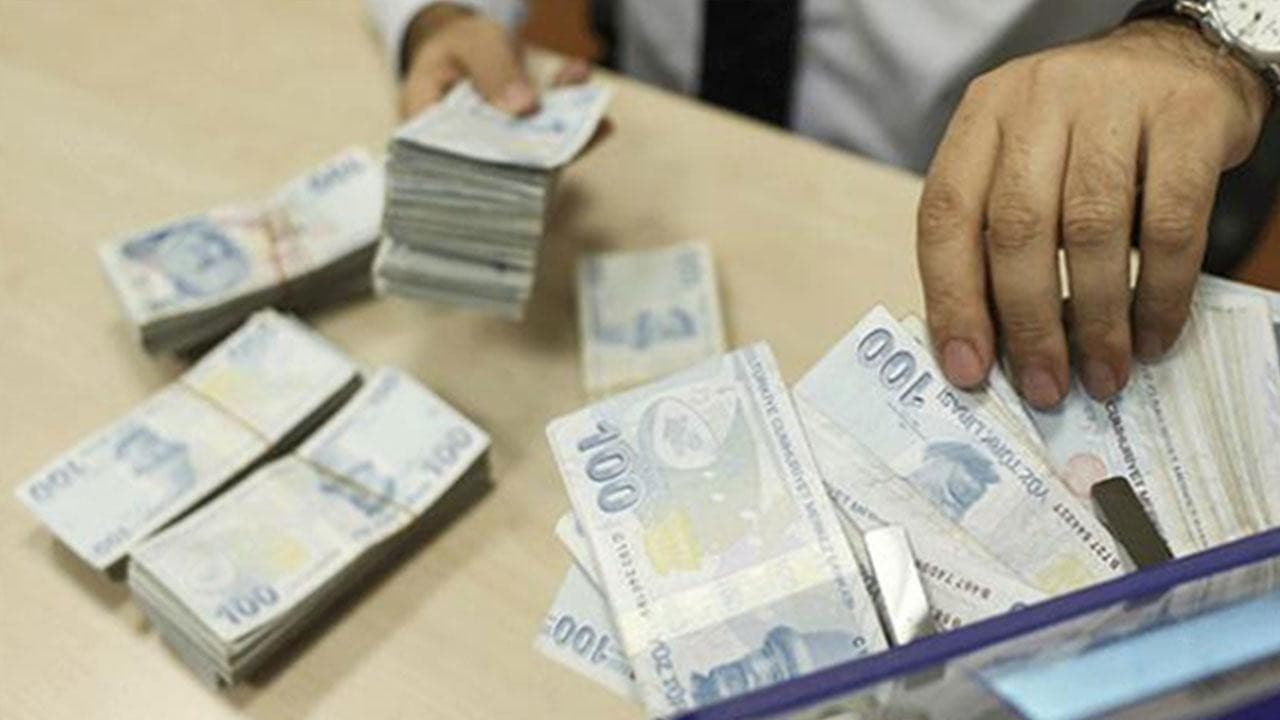
Turkey's household debt burden is escalating at an alarming rate, with individual loan non-performing loan (NPL) ratios reaching their highest level in nine years, putting pressure on financial stability. Approximately half of the country's population, 44.3 million people, utilize individual loans, and the average debt balance per person has climbed to 155 thousand Turkish Liras.
Alarming Bells Ringing in Individual Indebtedness
As of July 31, the total debt amount utilized through consumer loans and individual credit cards exceeded 6 trillion 852 billion Turkish Liras, surpassing the 4 trillion 704 billion Liras recorded in the same period last year. Within this debt stock, personal loans account for the largest share at 2 trillion 572 billion Turkish Liras.
Deeper Reasons Behind Credit Utilization
A significant portion of citizens seeking personal loans do so to manage their existing financial obligations. Data from TeklifimGelsin reveals the diversified dynamics of credit demand:
NPLs Cross a Critical Threshold
According to data from the Banking Regulation and Supervision Agency (BRSA), NPL ratios in individual borrowing have risen significantly:
Post-2024: A Reversal of Trends
From 2021 to the end of 2023, a general downward trend was observed in the NPL conversion rates for personal loans and individual credit cards. However, starting in 2024, this trend completely reversed; a significant increase began in NPL conversion rates for both personal loans and individual credit cards.
This aggressive increase in household indebtedness and the sharp rise in NPL ratios serve as a critical warning for the banking sector's risk appetite and the effectiveness of macro-prudential policies. The widespread use of credit, particularly for debt management, indicates potential difficulties in repaying maturing debts in the face of insufficient income and rising costs. This situation will necessitate stricter risk management in individual loans, prioritizing quality in credit growth, and encouraging the flow of resources towards production-oriented areas such as SME loans. The Central Bank's monetary policies and the BRSA's supervisory mechanisms may need to take more proactive steps in the coming period to reverse this trend and maintain financial stability.
Related News & Analysis
View All →
Long‑Term Loan Rates Hit 35%: Treasury’s Dilemma and Consumer’s Predicament
ICBC Grants İş Bank $200 Million Loan, Redefining Turkey's Financing Landscape
China Holds LPR Steady for 15th Month: Implications for Credit Margins and Economic Strategy
Exchange Conversion Premium to Double: What Does It Mean for Commercial Sectors?
US Treasury's Shock Move in Bonds: 30-Year Yields Drop to 5.19% Amid Market Turmoil
Turkish Banks Struggle with Interest Rate Pressure and Political Uncertainty
Latest Market News
All News →
Talent Exodus in Turkey's Chip and AI Sectors: A New Playbook for Investors

Bitcoin Surges Past $72,000, Liquidates Record $3 Billion in Shorts

Linkdaze Redefines Household Management with Smart Calendar

Why Trump’s Policies Are Shaking Bond Markets: Global Borrowing Costs Hit Decade Highs

Bitcoin Breaches $70,000: The $80,000 Target Shifts from Probability to Expectation
![[SKP] TERA PORTFÖY YÖNETİMİ A.Ş.
Pay Alım Satım Bildirimi
/ THF, TLY, TMPOL, TMV - Pay Alım Satım Bildirimi](/_next/image?url=%2Fuploads%2Fkap-default.png&w=3840&q=75)