The Consumerism Paradox: Gen Z, Broken Wealth Ladders, and Capitalist Realism
Küresel tüketim kalıplarında yaşanan radikal dönüşüm, özellikle **Bank of America** kredi kartı verileriyle somutlaşan şaşırtıcı bir paradoksu ortaya

The radical shift in global consumption patterns reveals a striking paradox, crystallized in recent Bank of America credit card data: the supposedly deeply anti-capitalist Gen Z has become one of consumer capitalism’s most active cohorts. Rather than mere hypocrisy, this phenomenon represents an inevitable survival mechanism within an inescapable economic system. As traditional financial escape routes narrow, younger generations are pivoting away from long-term wealth accumulation toward instant micro-consumption.
The Broken Transmission Belt: Generational Wealth Asymmetry
Economic data increasingly suggests that the generational wealth transmission mechanism, active since World War II, has hit a structural bottleneck. While the radicalism of older generations eventually dissolved into homeownership and asset accumulation, today's youth find these integration channels firmly locked:
Capitalist Realism and the "Slow Cancellation of the Future"
British theorist Mark Fisher's concept of "capitalist realism"—the system's capacity to present itself as the only conceivable arrangement—directly shapes contemporary consumer behavior. Economic historians arguing that technological and cultural innovation has stagnated since the 1970s point out that today's political and cultural urgency has largely been converted into mere "content consumption." Unable to secure housing or build long-term financial safety nets, young consumers redirect their limited liquidity toward secondhand fashion, premium coffee, or small gourmet treats—engaging in "democratized snobbery" as a way to survive inside a system they cannot leave.
From the bridge of global supply chain analysis, Gen Z’s forced consumerism is the micro-level manifestation of structural bottlenecks in global freight markets. As Suez and Panama canal disruptions drive commodity supply shocks, persistent global inflation makes long-term assets like housing unattainable. Consequently, youth liquidity is redirected toward short-term retail and fast-fashion, creating erratic spikes in container shipping volumes. In a world where the future is effectively canceled, immediate logistical consumption replaces capital accumulation, keeping global stagflation risks highly elevated.
Related News & Analysis
View All →
Bitcoin Breaches $70,000: The $80,000 Target Shifts from Probability to Expectation
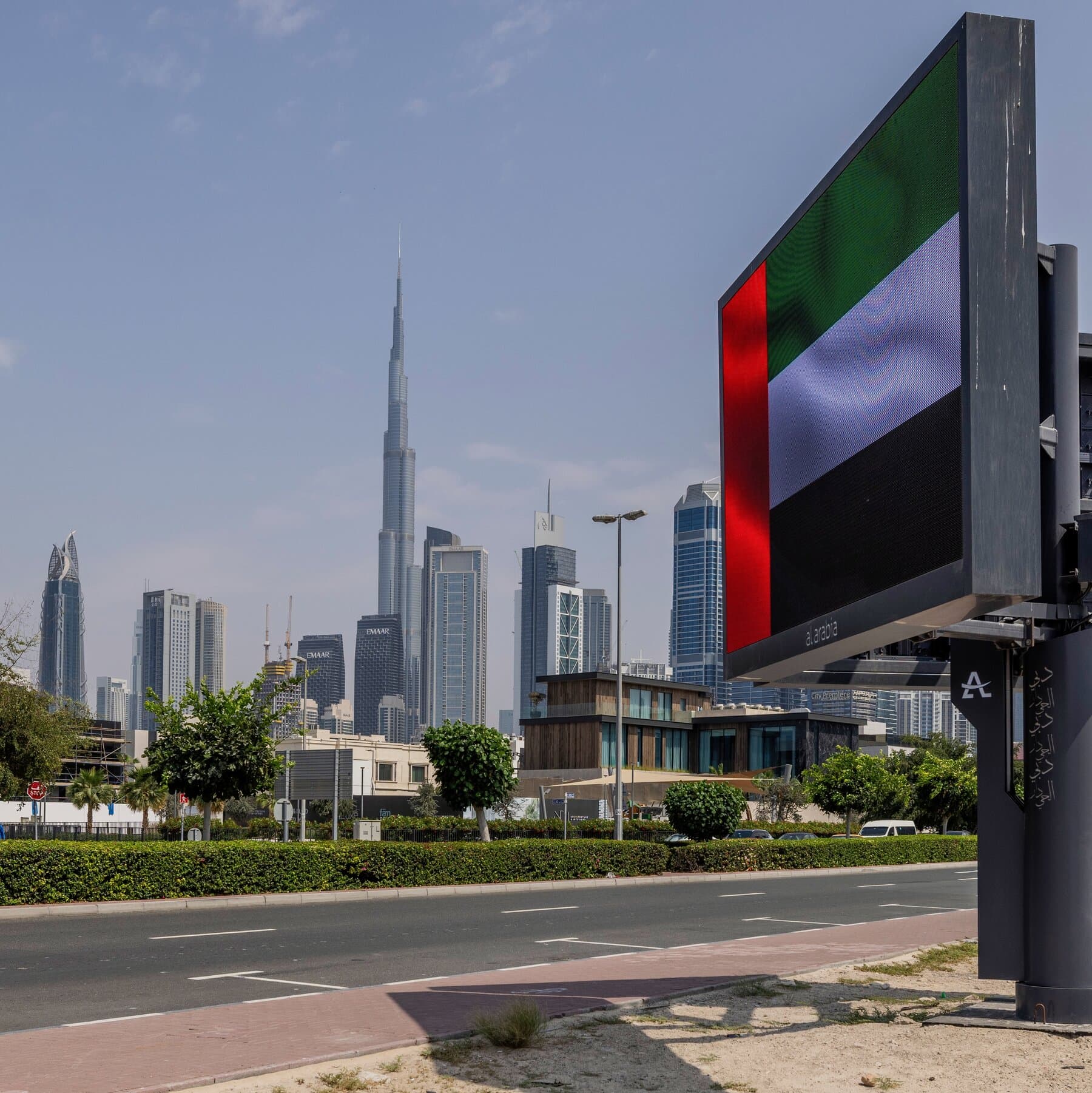
Binance Employees Arrested in UAE: Regulatory Pressure Intensifies

Moderna's Cancer Vaccine Euphoria Hits Profit-Taking Wall: $18 Billion Wipeout

Singh Joins Mayfield: A New Era for Chip Investments

Ramp Unveils Model Router, Steering the AI Landscape into a New Era

WNBA’s Landmark Pay Raise: 364% Surge in Player Wages Sparks Labor Milestone
Latest Market News
All News →Bitcoin Breaches $70,000: The $80,000 Target Shifts from Probability to Expectation
![[SKP] TERA PORTFÖY YÖNETİMİ A.Ş.
Pay Alım Satım Bildirimi
/ THF, TLY, TMPOL, TMV - Pay Alım Satım Bildirimi](/_next/image?url=%2Fuploads%2Fkap-default.png&w=3840&q=75)
[SKP] TERA PORTFÖY YÖNETİMİ A.Ş. Pay Alım Satım Bildirimi / THF, TLY, TMPOL, TMV - Pay Alım Satım Bildirimi

Castelion Secures $13 Billion Valuation to Accelerate Hypersonic Missile Production
KAMUYU AYDINLATMA PLATFORMU Sermaye Piyasası Kurulu Tedbir Kararı / BAYRK - Sermaye Piyasası Kurulu Tedbir Kararı
Binance Employees Arrested in UAE: Regulatory Pressure Intensifies