
Geopolitical Risk Peaks on US-Iran Front: Strait of Hormuz Trade Under Threat
724FinanceKerem Tufan
Key Highlights
Küresel finansal piyasalar, ABD Merkez Kuvvetler Komutanlığı'nın (CENTCOM) İran'a yönelik askeri operasyonları ikinci dalgaya taşımasıyla birlikte, so
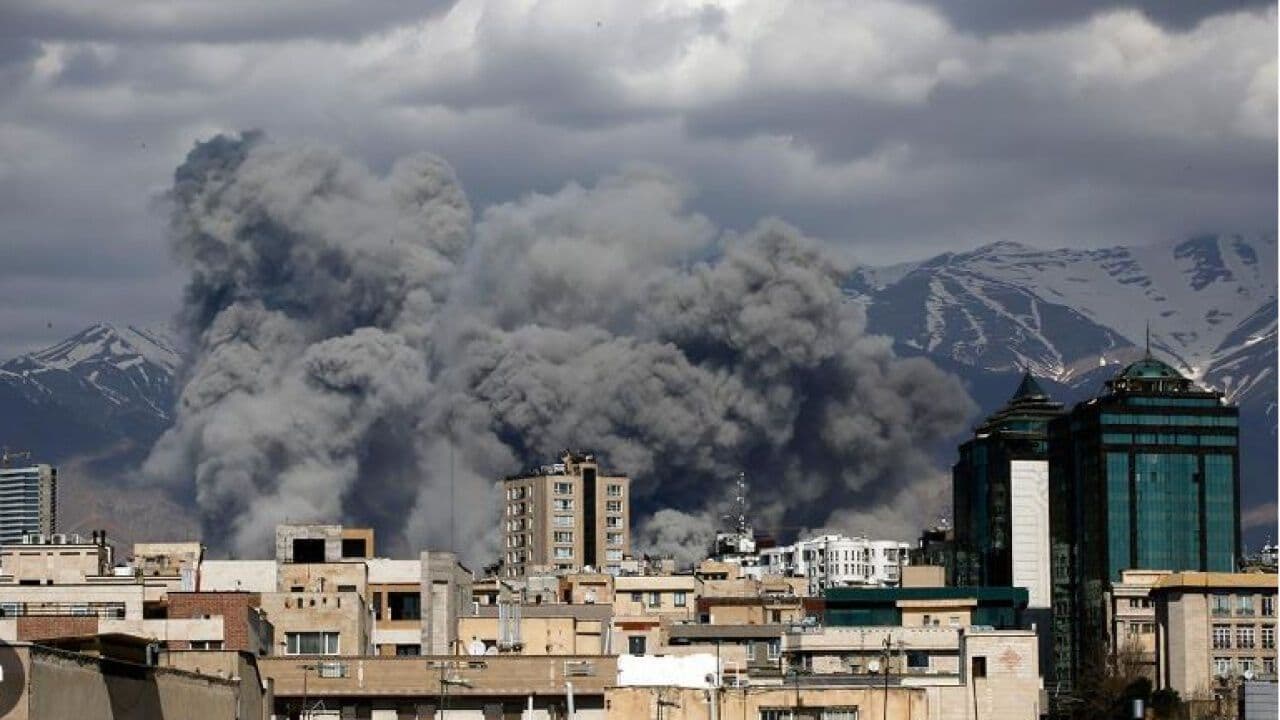
Global financial markets are facing one of the harshest geopolitical risk shocks in recent times as the US Central Command (CENTCOM) launched a second wave of military operations against Iran. The new offensive, initiated around 22.00 local time under the direct order of President Donald Trump, targets military capabilities that threaten maritime traffic in the Strait of Hormuz, one of the most critical arteries of global trade. This development brings a scenario expected to suppress risk appetite abruptly by increasing volatility in commodity prices.
Escalating and Firm Message from Washington
The operations conducted by the US military throughout the day signal a pressure strategy rather than a singular strike. According to official statements from CENTCOM and posts on social media accounts, the timing and objectives of the operations can be summarized as follows:Risk of Blow to Energy Supply Chains and Trade Routes
The Strait of Hormuz is positioned as a chokepoint where a significant portion of the world's oil supply must pass to reach global markets. Any military conflict or tension in this region has the potential to directly impact freight rates and energy costs. Market players have already begun pricing in scenarios of sharp rises in crude oil prices and disruptions in supply chains should the strait close or transit become hazardous.Re-pricing of Risk Premiums
Such geopolitical tensions create selling pressure on emerging market currencies and risky assets while boosting demand for safe havens. Investors are shifting towards moves to protect their portfolios against the potential of the regional conflict spilling over into the global economy. Central banks facing such a cost shock while battling inflation adds uncertainty to the trajectory of monetary policies.The materialization of geopolitical risks to this extent will not only create short-term volatility in financial markets but also establish a structural pressure that will spill over into the real economy through commercial credit costs and insurance premiums. As Kerem Tufan, I assess that this tension in the Strait of Hormuz is a harbinger of a period where energy importers face a cost shock and the banking sector re-prices operational risks. SMEs, in particular, will need to keep their liquidity tight to manage the rise in input costs.
Related News & Analysis
View All →
HSBC’s Most Traded Shares: Smart Money Signals in the Markets
Halk Yatırım’s Trading Masterclass: Top 10 Most Traded Stocks Revealed for H1 2024

Borsa Istanbul Companies Announce Game-Changing New Partnerships and Investment Moves

BIST Imposes Short‑Sell Ban on Cem Zeytin and BJKAS Shares Under Volatility‑Based Measures

China Opens a New Critical Mineral Pipeline to the United States
European Markets Clash with Rising Oil Prices: Mixed Day
Latest Market News
All News →Rising Yields Threaten to Burst the Stock-Market Bubble: How Markets Will React

Human Capital Resilience in the Age of AI: Implications for Financial Markets
![[ALKLC] ALTINKILIÇ GIDA VE SÜT SANAYİ TİCARET A.Ş.
Katılım Finansı İlkeleri Bilgi Formu - Katılım Finansı İlkeleri Bilgi Formu](/_next/image?url=%2Fuploads%2Fkap-default.png&w=3840&q=75)
[ALKLC] ALTINKILIÇ GIDA VE SÜT SANAYİ TİCARET A.Ş. Katılım Finansı İlkeleri Bilgi Formu - Katılım Finansı İlkeleri Bilgi Formu

Turkey Cuts Inflation Target from 75–80% to 30%: Bolat’s Bold Move

Hyperliquid Goes to the US: Regulatory and Market Shockwaves