
Germany's Political Headwinds Unsettle Foreign Capital
Almanya Ekonomi Bakanı'nın uyarıları, aşırı sağcı **AfD**'nin yükselişinin ülkenin yabancı yatırımcılar nezdindeki itibarını ciddi şekilde sarsabilece
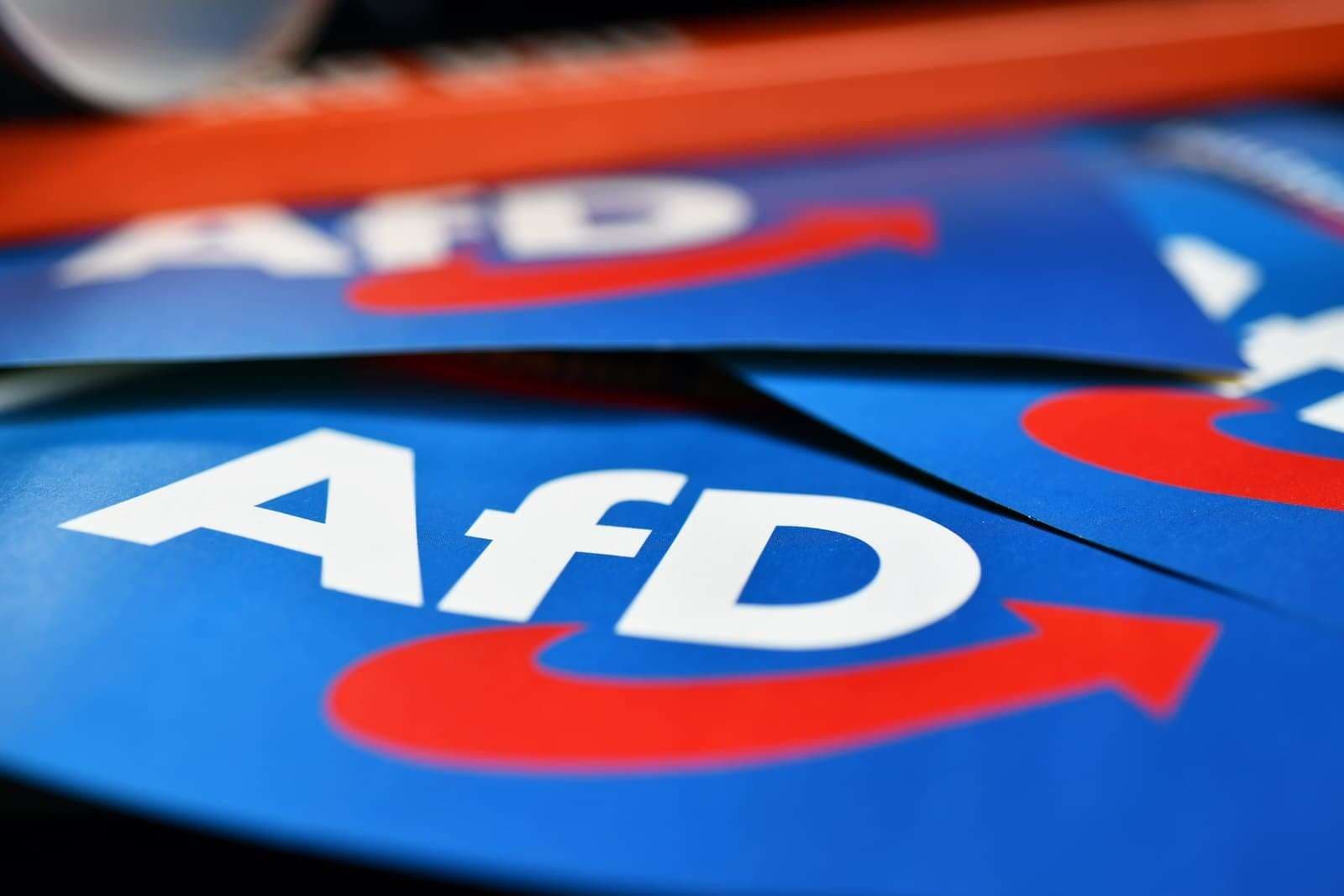
Warnings from Germany's Economy Minister suggest that the rise of the far-right AfD could significantly erode the country's standing among foreign investors, raising concerns about a potential period of instability for Europe's largest economy. This development once again highlights global capital's increasing sensitivity to political risks.
Political Climate's Impact on Investment Flows
Germany's long-standing image as offering a stable and predictable investment environment has begun to be questioned with recent political polarization and the rise of populist parties like the AfD. The Economy Minister's statements emphasize that these parties' anti-immigration and anti-EU rhetoric are becoming a decisive factor in the long-term strategic decisions of international companies and funds. Investors attach great importance not only to economic indicators but also to a country's social and political cohesion.
Germany's Global Appeal and Risk Perception Reshaping
Traditionally seen as a safe haven, Germany could be perceived as a market with an elevated risk premium as political turbulence increases. This situation could negatively impact foreign direct investment (FDI) flows, particularly in sectors forming the backbone of the German economy such as high-tech manufacturing, automotive, and finance. Potential investors may reconsider their interest in Germany due to future policy shifts, possible trade barriers, or uncertainties in the labor market.
From the perspective of SME loans and commercial financing, an increase in political risk perception within a country is a crucial factor directly affecting banks' lending appetite. Risk premiums for long-term investment projects, in particular, may rise, increasing credit costs and further complicating the investment environment. A decrease in foreign capital inflows could also affect liquidity in local markets, narrowing the Central Bank's monetary policy maneuvering space and slowing economic growth. This situation may indicate a structural problem beyond the expected contraction in commercial loan growth.
Related News & Analysis
View All →
İran, ABD Yaptırımlarını 'Ekonomik Terörizm' Dedi: Küresel Finansal Tabloları Huzursuzlaştırıyor
Norway’s July Oil Production Slump Sends Shockwaves Through European Energy Markets
British Banks Issue Stern Warning to New Finance Minister and Market Implications
HSBC’s Most Traded Shares: Smart Money Signals in the Markets

Halk Yatırım’s Trading Masterclass: Top 10 Most Traded Stocks Revealed for H1 2024

Borsa Istanbul Companies Announce Game-Changing New Partnerships and Investment Moves
Latest Market News
All News →
Bitcoin Breaches $70,000: The $80,000 Target Shifts from Probability to Expectation
![[SKP] TERA PORTFÖY YÖNETİMİ A.Ş.
Pay Alım Satım Bildirimi
/ THF, TLY, TMPOL, TMV - Pay Alım Satım Bildirimi](/_next/image?url=%2Fuploads%2Fkap-default.png&w=3840&q=75)
[SKP] TERA PORTFÖY YÖNETİMİ A.Ş. Pay Alım Satım Bildirimi / THF, TLY, TMPOL, TMV - Pay Alım Satım Bildirimi

Castelion Secures $13 Billion Valuation to Accelerate Hypersonic Missile Production
KAMUYU AYDINLATMA PLATFORMU Sermaye Piyasası Kurulu Tedbir Kararı / BAYRK - Sermaye Piyasası Kurulu Tedbir Kararı
Binance Employees Arrested in UAE: Regulatory Pressure Intensifies