
Germany's Laser Weapon Strategy: 2029 Target and Asymmetric Power Balance
Küresel askeri dengelerde klasik hava savunma sistemlerine kıyasla daha maliyet-etkin çözümler arayan Almanya, yönelik enerji silahları alanında kapsa

Germany, seeking cost-effective alternatives to traditional air defense systems amid global military realignments, has launched a comprehensive program in directed-energy weapons. According to leaked federal army planning documents, high-energy laser systems designed to protect territorial infrastructure and critical facilities are undergoing full field testing, with integration into military inventory targeted for 2029. The project, led by a consortium of the country's largest defense conglomerates, introduces a modular architecture adaptable to ships, ground vehicles, and fixed military bases.
Cost Efficiency and Technological Edge
Unlike conventional missile batteries, laser systems reduce operational costs to merely electricity consumption. Eliminating the need to expend $1 million missiles to neutralize $1,000 kamikaze drones, the technology offers logistical advantages through generator-based power supply, enabling 'unlimited ammunition' capabilities. Coupled with advanced radar integration and electro-optical sensors, these light-speed reaction systems significantly enhance military response times against swarm drone attacks and low-altitude cruise missiles.
European Integration and Strategic Autonomy
The Berlin administration aims to merge laser technology with multi-national air defense shield initiatives, strengthening European military independence. By reducing reliance on U.S. arms imports, Germany seeks to transform domestic production capabilities into a continental force multiplier. Analysts view this financial and technical maneuver as a strategic move to address post-Ukraine conflict threat matrices and secure technological superiority in future digital battlegrounds. Successful engineering outcomes could deploy locally-produced laser shields across European logistics and military corridors.
Markets interpret Germany's rising defense expenditures and accelerated technology investments as indicators of a new fiscal era within EU public spending frameworks. Laser weapon projects will reflect competitive advantages from low-cost processes, particularly attracting investors in energy and defense sectors. However, long-term implications on global military balance—especially considering similar advancements by Russia and China—warrant close attention. From a Fed and Central Bank perspective, defense industry investments embedded in social spending may indirectly influence inflation targets.]
Related News & Analysis
View All →
Human Capital Resilience in the Age of AI: Implications for Financial Markets

Kalyon PV's Strategic Leadership Shift Sends Ripples Through Renewable Energy Markets

Turkey Leads Europe in Agriculture, Ranks Seventh Globally: $36 Billion Export Record

Iran’s Fierce Rebuttal to U.S. Sanctions: Accusations of Economic Terror and Crimes Against Humanity
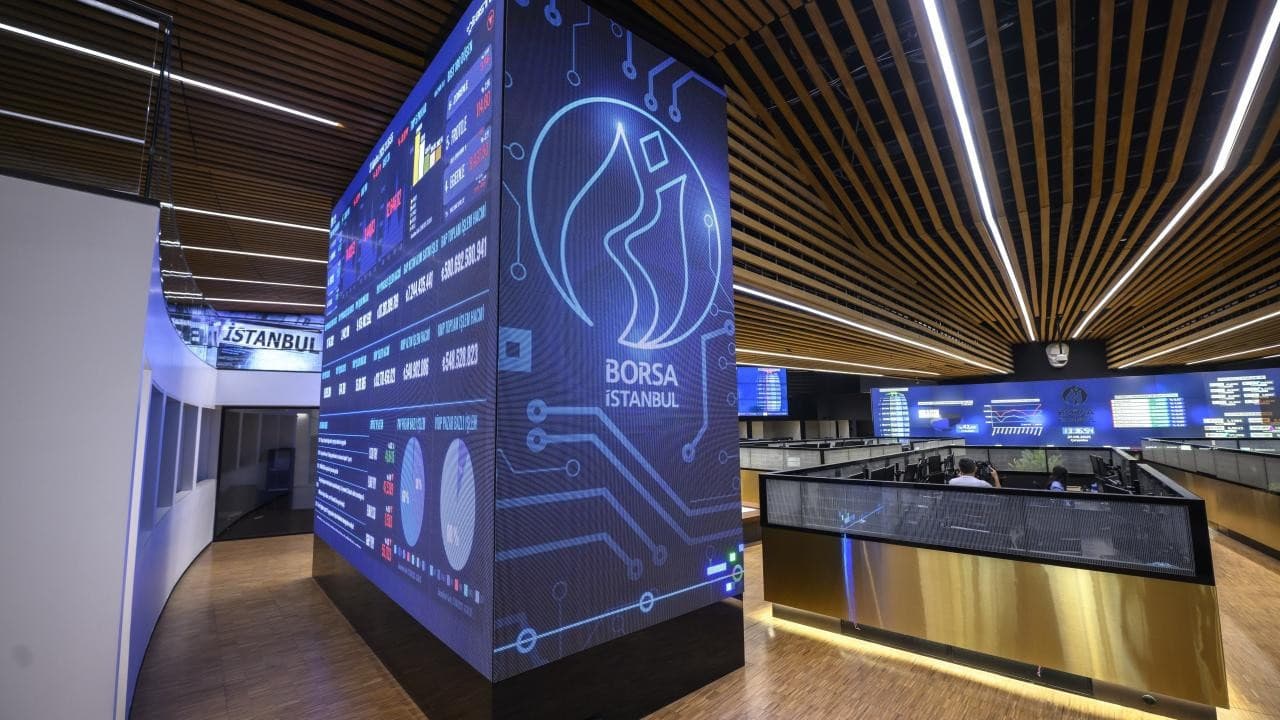
BIST 100 Slides 0.43% as Market Sentiment Shifts
Foreign Capital's Balancing Act: Stock Purchase Meets Bond Sale
Latest Market News
All News →
Talent Exodus in Turkey's Chip and AI Sectors: A New Playbook for Investors

Bitcoin Surges Past $72,000, Liquidates Record $3 Billion in Shorts

Linkdaze Redefines Household Management with Smart Calendar

Why Trump’s Policies Are Shaking Bond Markets: Global Borrowing Costs Hit Decade Highs

Bitcoin Breaches $70,000: The $80,000 Target Shifts from Probability to Expectation
![[SKP] TERA PORTFÖY YÖNETİMİ A.Ş.
Pay Alım Satım Bildirimi
/ THF, TLY, TMPOL, TMV - Pay Alım Satım Bildirimi](/_next/image?url=%2Fuploads%2Fkap-default.png&w=3840&q=75)