UK Consumer Confidence Soars to Two-Year High Fueled by World Cup Fever and Staycation Boom
İngiltere'de tüketici güveni, erkekler Dünya Kupası'nın heyecanı ve İngilizlerin yerel tatil tercihleriyle yaz harcamalarını canlandırarak neredeyse i

Consumer confidence in the UK has surged to its highest level in almost two years, fueled by the climax of the men’s football World Cup and a shift towards domestic holidaying that revitalized summer spending. Research from Barclays indicates that a truce in the Middle East conflict in June and the arrival of a new Prime Minister at No 10 have provided a significant boost to consumers following a prolonged period of heightened uncertainty.
Political Stability and Geopolitical Truce Bolster Sentiment
Barclays’ long-running monthly consumer spending survey reveals that 30% of respondents felt confident about the strength of the UK economy in July. This marks a 21-month high and represents a six-percentage-point improvement from June. The study highlights that individuals feel increasingly secure in their employment and possess greater financial leeway for non-essential expenditures.
World Cup Fever Drives Surge in Leisure and Hospitality
Consumer card spending grew by 2% year-on-year last month, following a 1.9% rise in June, with discretionary spending climbing 1.6%. Key beneficiaries of this trend include:
Heatwaves Shift Travel Patterns: Domestic Gains vs. Aviation Slump
Aligning with broader economic surveys, the report notes that successive heatwaves have depressed spending on airline tickets in favor of domestic holidays, boosting UK accommodation spending by 2.6%. The British Retail Consortium (BRC) provided further insights into retail performance:
From a supply chain perspective, this divergence in spending habits presents a complex landscape. The decline in airline ticket sales suggests a temporary easing in aviation fuel demand, potentially stabilizing energy costs, but the pivot to domestic staycations places acute pressure on local ground logistics and distribution networks. Crucially, the aversion to big-ticket items like furniture signals a potential softening in containerized freight demand for durable goods, while the surge in FMCG (fast-moving consumer goods) for "small indulgencies" requires agile inventory management to avoid stockouts in the hospitality sector.
Related News & Analysis
View All →
Moderna's Cancer Vaccine Euphoria Hits Profit-Taking Wall: $18 Billion Wipeout

Singh Joins Mayfield: A New Era for Chip Investments

Ramp Unveils Model Router, Steering the AI Landscape into a New Era

WNBA’s Landmark Pay Raise: 364% Surge in Player Wages Sparks Labor Milestone

Gen Z Rewrites the American Dream in the Great Postponement

Inertia Enterprises Cuts Fusion Fuel Loading to Hours, Shaking the Energy Market
Latest Market News
All News →![[YYAPI] YEŞİL YAPI ENDÜSTRİSİ A.Ş.
Katılım Finansı İlkeleri Bilgi Formu - Katılım Finansı İlkeleri Bilgi Formu](/_next/image?url=%2Fuploads%2Fkap-default.png&w=3840&q=75)
[YYAPI] YEŞİL YAPI ENDÜSTRİSİ A.Ş. Katılım Finansı İlkeleri Bilgi Formu - Katılım Finansı İlkeleri Bilgi Formu
Moderna's Cancer Vaccine Euphoria Hits Profit-Taking Wall: $18 Billion Wipeout
Moderna’s Personalized mRNA Gamble: Oncology Revolution or Market Bubble?
[GSRAY] GALATASARAY SPORTİF SINAİ VE TİCARİ YATIRIMLAR A.Ş. Transfer Görüşmelerinin Sonuçlanması veya Sona Ermesi - Profesyonel Futbolcu Aleksei Batrakov Transferi Hakkında
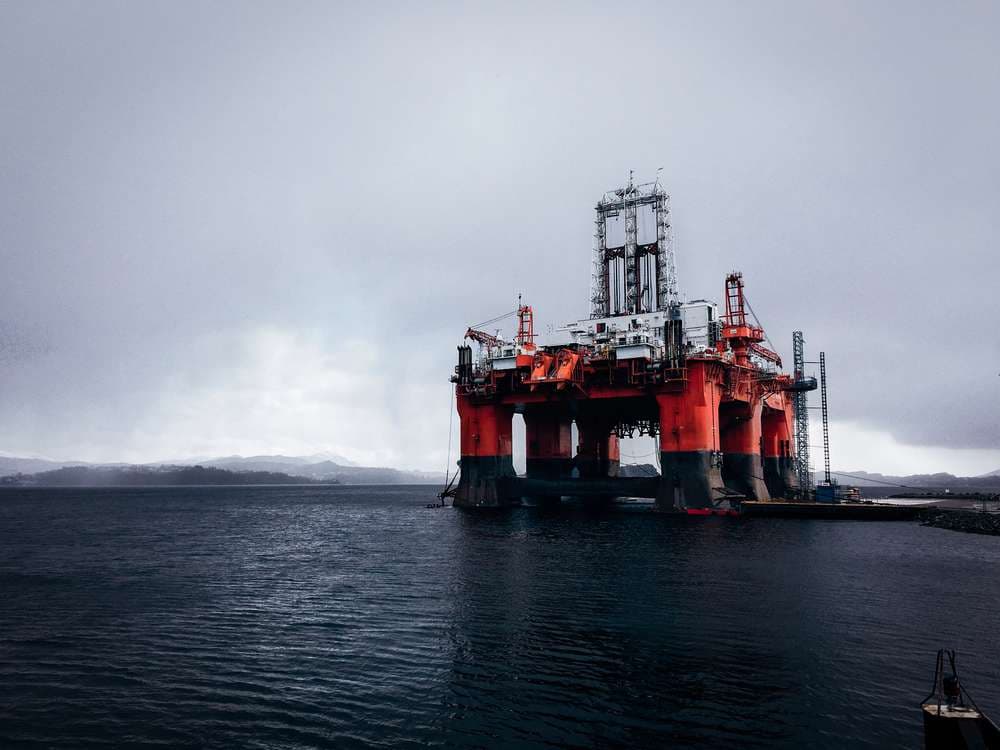
Norway’s July Oil Production Slump Sends Shockwaves Through European Energy Markets