Stagflation Storm in the Japanese Economy: Manufacturing Vigor Fails to Mask Service Sector Collapse
724FinanceDr. Aslıhan Demir
Key Highlights
Japonya ekonomisi, hizmet sektöründeki derinleşen durgunluk ve rekor maliyet artışları arasında sıkışmış durumda. İmalat sanayindeki ani sıçrama bileş
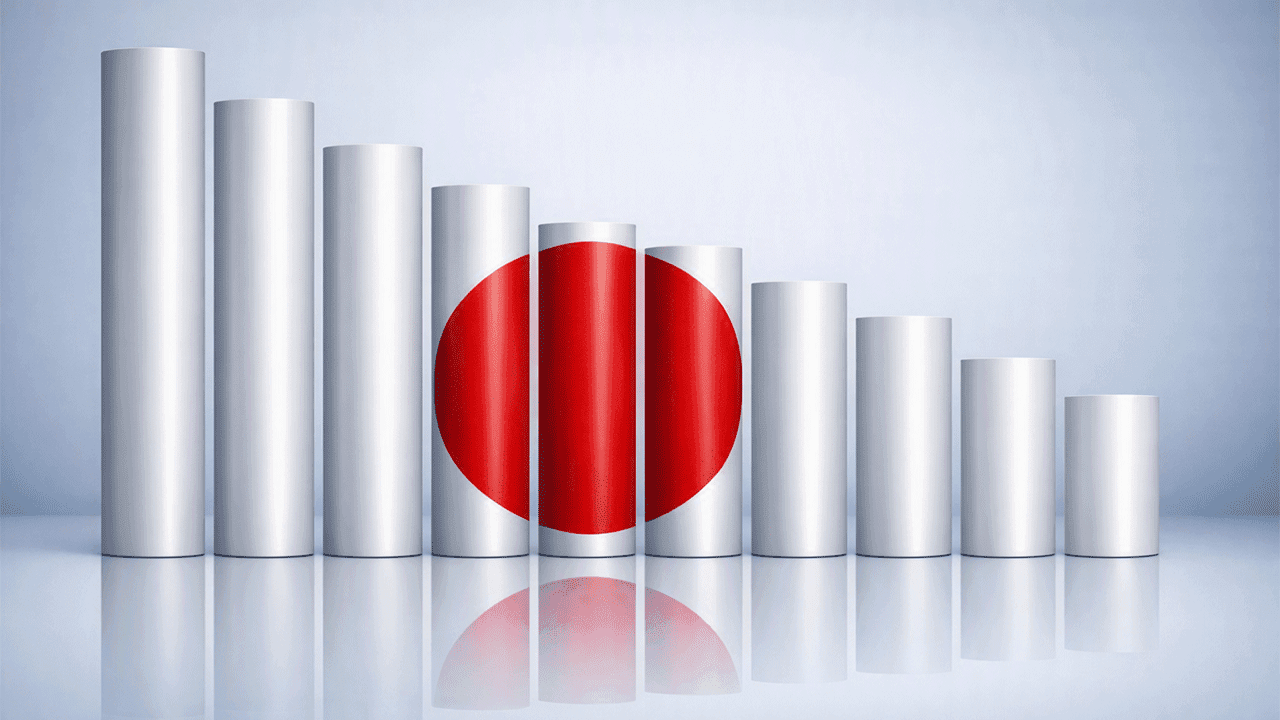
Japan's economy finds itself trapped between deepening stagnation in the service sector and record cost increases. While a sudden surge in manufacturing keeps the composite PMI at 52.7 in the positive zone, the collapse in domestic demand threatens sustainable growth targets, while cost inflation pushes the Bank of Japan (BoJ) to the brink of a tight policy dilemma.
Cost Shock and the Severing of Local Consumption
Service providers are grappling with supply chain disruptions originating from the Middle East, surging energy prices, and exchange rate pressure from a weak yen. This relentless rise in input costs has forced firms to increase selling prices at the fastest pace in the last 12 years to protect profit margins.Lack of Appetite in External Markets and Capacity Slack
The contraction is not limited to the domestic market; the weakness in international demand has also been officially confirmed. Service demand from foreign customers fell for the fourth consecutive month, while business backlogs at firms recorded the slowest increase in the last 17 months.The Imperative for BoJ to Turn Hawkish
On-the-ground data suggests that rising cost inflation in both production and service channels will continue to push the official Consumer Price Index (CPI) upward. While the strong performance in the manufacturing industry temporarily masks the economic imbalance, structural price increases are amplifying pressure on monetary policy.The core issue here is that the BoJ is facing a classic stagflation scenario. While the "doping" effect on the production side is temporary, cost-driven inflation is becoming entrenched. The Central Bank will feel the pressure to raise interest rates to ensure price stability, even at the cost of entering a recession; this forces a "hawkish" trajectory in monetary policy.
Related News & Analysis
View All →
Human Capital Resilience in the Age of AI: Implications for Financial Markets

Kalyon PV's Strategic Leadership Shift Sends Ripples Through Renewable Energy Markets

Turkey Leads Europe in Agriculture, Ranks Seventh Globally: $36 Billion Export Record

Iran’s Fierce Rebuttal to U.S. Sanctions: Accusations of Economic Terror and Crimes Against Humanity

BIST 100 Slides 0.43% as Market Sentiment Shifts
Foreign Capital's Balancing Act: Stock Purchase Meets Bond Sale
Latest Market News
All News →![[YYAPI] YEŞİL YAPI ENDÜSTRİSİ A.Ş.
Katılım Finansı İlkeleri Bilgi Formu - Katılım Finansı İlkeleri Bilgi Formu](/_next/image?url=%2Fuploads%2Fkap-default.png&w=3840&q=75)
[YYAPI] YEŞİL YAPI ENDÜSTRİSİ A.Ş. Katılım Finansı İlkeleri Bilgi Formu - Katılım Finansı İlkeleri Bilgi Formu

Moderna's Cancer Vaccine Euphoria Hits Profit-Taking Wall: $18 Billion Wipeout
Moderna’s Personalized mRNA Gamble: Oncology Revolution or Market Bubble?
[GSRAY] GALATASARAY SPORTİF SINAİ VE TİCARİ YATIRIMLAR A.Ş. Transfer Görüşmelerinin Sonuçlanması veya Sona Ermesi - Profesyonel Futbolcu Aleksei Batrakov Transferi Hakkında

Norway’s July Oil Production Slump Sends Shockwaves Through European Energy Markets