
FAO Food Price Index Hits 3-Year High in July, Signaling Rising Global Inflation
FAO'nun (Birleşmiş Milletler Gıda ve Tarım Örgütü) yayımladığı gıda fiyat endeksi, Temmuz ayında **%15,7** artışla üç yılın en yüksek seviyesine ulaşt

The FAO (Food and Agriculture Organization of the United Nations) food price index surged 15.7% in July, reaching its highest level in three years and underscoring the growing inflationary pressure on the global food sector.
Global Food Price Surge and July’s Apex
The index climbed from 14.9% in June 2021 to 15.7% this month, marking the sharpest rise within the 2019‑2021 window. This escalation intensifies price pressures, especially for low‑income economies.
Core Drivers: Commodity and Energy Costs
Rising energy prices have pushed agricultural input costs higher, fueling price spikes in wheat, corn, and vegetable oils.
Regional Hotspots: Most Affected Markets
The Asia‑Pacific and Middle East regions felt the brunt of the shock, with India and Saudi Arabia seeing pronounced consumer price impacts.
Financial Market Ripple Effects
Commodity futures for food surged, while inflation‑sensitive equities and bond yields reacted to the data.
Forward‑Looking Strategic Recommendations
Investors should tilt portfolios toward food and energy‑linked assets to hedge inflation risk, while maintaining diversification and liquidity discipline.
Analyst Note (Aylin Güneş): The July FAO reading is more than a statistic—it’s a warning flag raised by the confluence of global liquidity conditions, geopolitical tensions, and volatile energy prices. Weighting portfolios with food and energy‑related instruments offers a natural hedge against inflationary pressures. Nonetheless, regional disparities and policy risks must be factored in to avoid over‑exposure. In this environment, high dividend‑yield firms in the food sector and companies maintaining buyback programs provide steady cash flow and should be on investors’ watchlists.
Related News & Analysis
View All →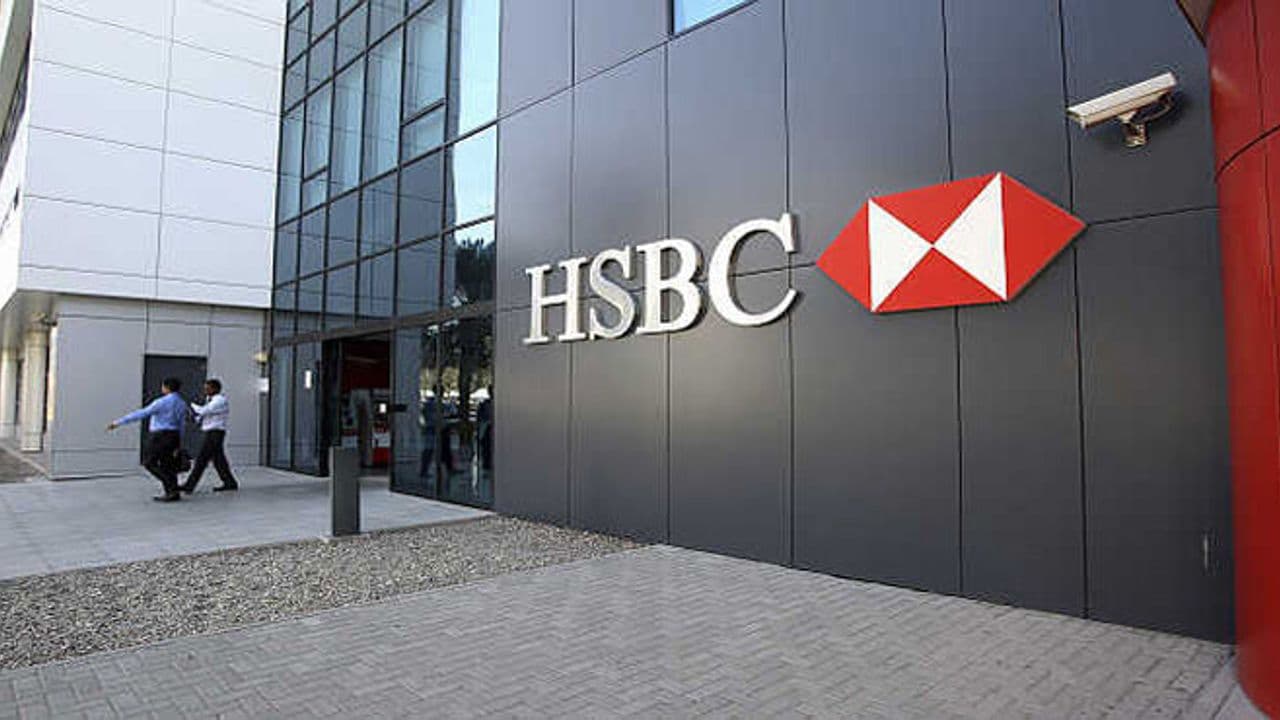
HSBC’s Most Traded Shares: Smart Money Signals in the Markets

Halk Yatırım’s Trading Masterclass: Top 10 Most Traded Stocks Revealed for H1 2024

Borsa Istanbul Companies Announce Game-Changing New Partnerships and Investment Moves

BIST Imposes Short‑Sell Ban on Cem Zeytin and BJKAS Shares Under Volatility‑Based Measures
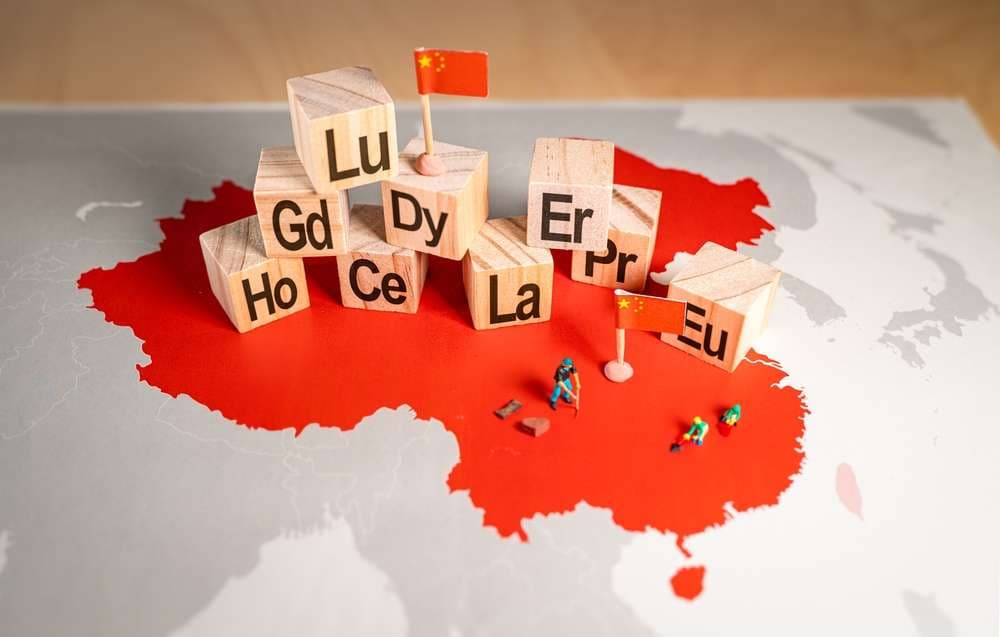
China Opens a New Critical Mineral Pipeline to the United States
European Markets Clash with Rising Oil Prices: Mixed Day
Latest Market News
All News →Rising Yields Threaten to Burst the Stock-Market Bubble: How Markets Will React

Human Capital Resilience in the Age of AI: Implications for Financial Markets
![[ALKLC] ALTINKILIÇ GIDA VE SÜT SANAYİ TİCARET A.Ş.
Katılım Finansı İlkeleri Bilgi Formu - Katılım Finansı İlkeleri Bilgi Formu](/_next/image?url=%2Fuploads%2Fkap-default.png&w=3840&q=75)
[ALKLC] ALTINKILIÇ GIDA VE SÜT SANAYİ TİCARET A.Ş. Katılım Finansı İlkeleri Bilgi Formu - Katılım Finansı İlkeleri Bilgi Formu

Turkey Cuts Inflation Target from 75–80% to 30%: Bolat’s Bold Move

Hyperliquid Goes to the US: Regulatory and Market Shockwaves