
General Motors and SAIC Solidify China Alliance with 20-Year Extension
ABD'li otomotiv devi **General Motors (GM)**, dünyanın en büyük otomotiv pazarı olan Çin'deki varlığını sağlama almak adına kritik bir stratejik adım
US automotive giant General Motors (GM) has taken a decisive strategic step to secure its foothold in the world’s largest automotive market. The company officially announced a 20-year extension of its joint venture agreement with Chinese state-owned SAIC Motor. This renewal comes at a critical juncture when global automotive dynamics are shifting rapidly, electric vehicle (EV) competition is intensifying, and legacy automakers are undergoing painful restructurings.
Consolidation and Restructuring on the Shanghai Front
The extension of the agreement does not promise an easy path forward for either manufacturer. Facing fierce competition and aggressive pricing from local EV giants like BYD, GM has experienced a decline in market share in China, prompting a pivot toward operational efficiency under this renewed partnership.
The China Dilemma of Legacy Automakers
The Chinese market is no longer just a high-volume sales destination for foreign automakers; it is now the epicenter of global technology and supply chain integration. By extending its alliance with SAIC until 2044, GM signals that rather than retreating from China, it intends to leverage the local ecosystem as a catalyst for its global R&D and scaling efforts.
From a Wealth Management perspective, GM's decision to extend this partnership is a calculated move to preserve long-term capital discipline. While the restructuring in China—including factory closures and model discontinuations—will trigger near-term charges, it ultimately aims to safeguard the company’s global free cash flow. In recent quarters, GM has prioritized shareholder value through aggressive share buyback programs and steady dividend yields. Streamlining the Chinese operations prevents the high-margin North American truck and SUV cash flows from being drained by inefficient overseas ventures, ensuring that capital can instead be returned directly to shareholders. For value investors, this transition represents a shift from unprofitable volume chasing to high-efficiency, technology-driven capital allocation.
Related News & Analysis
View All →
HSBC’s Most Traded Shares: Smart Money Signals in the Markets
Halk Yatırım’s Trading Masterclass: Top 10 Most Traded Stocks Revealed for H1 2024

Borsa Istanbul Companies Announce Game-Changing New Partnerships and Investment Moves

BIST Imposes Short‑Sell Ban on Cem Zeytin and BJKAS Shares Under Volatility‑Based Measures
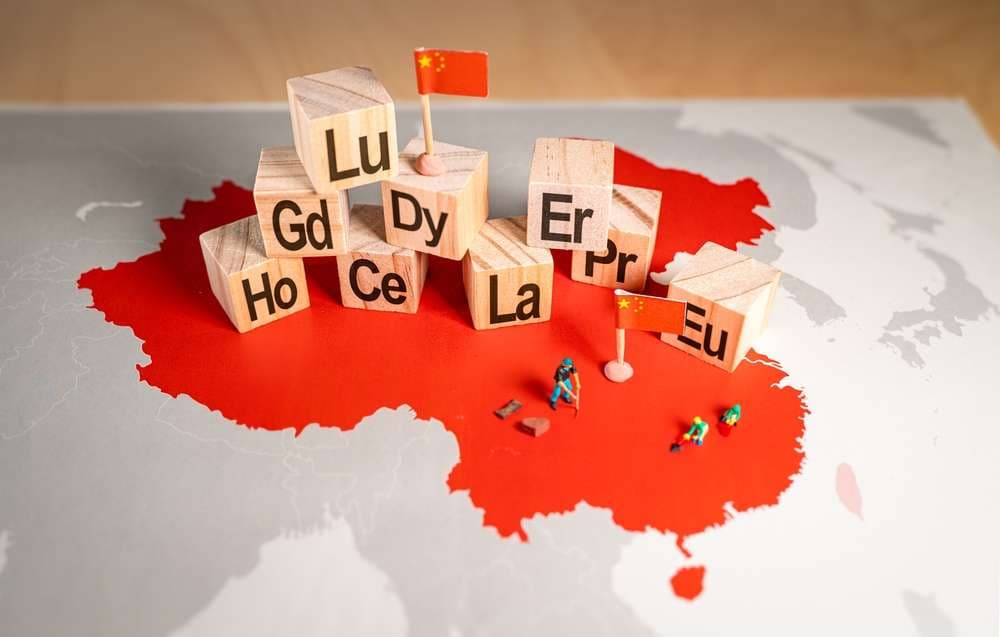
China Opens a New Critical Mineral Pipeline to the United States
European Markets Clash with Rising Oil Prices: Mixed Day
Latest Market News
All News →Rising Yields Threaten to Burst the Stock-Market Bubble: How Markets Will React

Human Capital Resilience in the Age of AI: Implications for Financial Markets
![[ALKLC] ALTINKILIÇ GIDA VE SÜT SANAYİ TİCARET A.Ş.
Katılım Finansı İlkeleri Bilgi Formu - Katılım Finansı İlkeleri Bilgi Formu](/_next/image?url=%2Fuploads%2Fkap-default.png&w=3840&q=75)
[ALKLC] ALTINKILIÇ GIDA VE SÜT SANAYİ TİCARET A.Ş. Katılım Finansı İlkeleri Bilgi Formu - Katılım Finansı İlkeleri Bilgi Formu

Turkey Cuts Inflation Target from 75–80% to 30%: Bolat’s Bold Move

Hyperliquid Goes to the US: Regulatory and Market Shockwaves