
Google’s Cybersecurity Team Explains Why Hacking Groups Get Codenames
Google, siber güvenlik alanında hacking gruplarına kod adları veren ilk kuruluşlardan biri olan Mandiant'ın sistemini revize etti. APT1, APT41 gibi sa

Google has revamped its naming system for hacking groups, moving away from numerical codes like APT1 or APT41 to more memorable names paired with country-specific suffixes. For example, 'Castle' for China, 'Ion' for Iran, 'Neptune' for North Korea, and 'Relic' for Russia.
The Challenge of Tracking Cyber Threat Groups
Shane Huntley, chief technology officer of Google Threat Intelligence Group (GTIG), noted that when companies began publishing reports on cyberattacks in the early 2010s, they never expected to track over 5,000 'activity clusters' today. Huntley added that 'nearly every developed nation has its own cyber capabilities and hacking groups.'
The Purpose of Codenames
Huntley explained that the goal of naming hacking groups is to understand 'who is attacking whom, how they are attacking, and how to defend against them.' For instance, knowing the behavior of North Korea’s Lazarus Group provides defenders with a critical starting point.
State-Sponsored Hackers vs. Cybercriminals
Huntley noted that tracking state-sponsored hackers is easier than cybercriminal groups, as the former tend to have more consistent targets and activities. However, cybercriminals are more fluid, with members coming and going and multiple customers worldwide.
Cyber threats are no longer just an academic exercise; companies and governments are using this naming system to respond faster and better protect against these groups. The unified approach reduces confusion and improves threat intelligence.
Related News & Analysis
View All →
ByteDance's Revenue vs. Regulatory Peril: The Black Market Surge on TikTok

Nevada’da Robotaxi Rüzgarı: Tesla, Uber ve Waymo 8.000 Araçla Yola Çıkacak mı?

The Crypto Security Paradox: When the Guardians Become the Targets

Google Introduces 'Preferred Sources' Button to Help Publishers Combat AI Traffic Losses

AI Clone Wars: Rippling and Runlayer Call a Legal Truce

Autonomous Driving Security War: US Probes Chinese Lidar Dominance
Latest Market News
All News →The Inheritance Condition: Financial Literacy Test

Wall Street's Weekly Close: Resilience Amid Bond and Oil Volatility

Algorithmic Accountability: Dutch Regulator Slaps Uber with $966m Fine
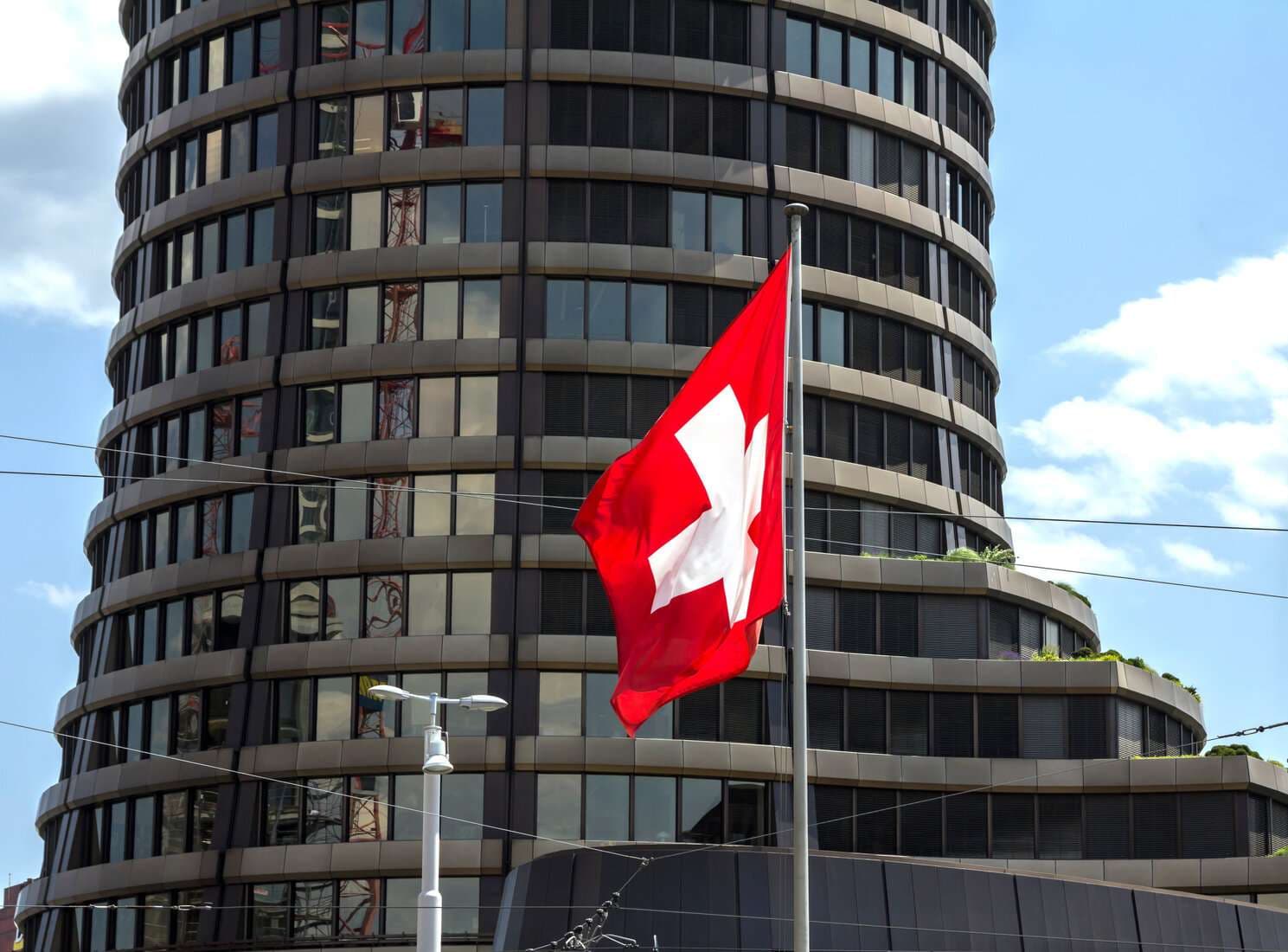
SNB Signals Potential Return to Negative Interest Rate Territory
![[BALAT] BALATACILAR BALATACILIK SANAYİ VE TİCARET A.Ş.
Payların Geri Alınmasına İlişkin Bildirim - 21.08.2026 Tarihli Pay Geri Alımı Hakkında](/_next/image?url=%2Fuploads%2Fkap-default.png&w=3840&q=75)
[BALAT] BALATACILAR BALATACILIK SANAYİ VE TİCARET A.Ş. Payların Geri Alınmasına İlişkin Bildirim - 21.08.2026 Tarihli Pay Geri Alımı Hakkında
