Traffic in the Strait of Hormuz Comes to a Halt: Impact on Energy Markets
Hürmüz Boğazı'nda gemi trafiği, ABD'nin İran'a üst üste ikinci gün düzenlediği saldırıların ardından Perşembe günü neredeyse durma noktasına geldi. Dü
Traffic in the Strait of Hormuz has come to a near standstill following the second day of consecutive attacks by the US on Iran. The movement observed in the Strait, one of the world's most critical energy transit points, has been largely confined to the northern route approved by Iran, while an eerie silence prevails in the Oman corridor supported by the US. Only a US-sanctioned supertanker and an Iranian-flagged container ship were spotted passing through the strait among large vessels. However, it is noted that some ships might have passed through by switching off their tracking devices. The data indicating the formation of ship clusters in the Strait may suggest electronic interference with navigation systems. This slowdown in traffic follows the US operations and President Donald Trump's announcement of the end of the ceasefire with Iran, after Iran's consecutive attacks on ships. On Wednesday, a total of 14 cargo ships passed through the strait in both directions, marking the lowest daily figure since the temporary peace agreement in mid-June. The halt in traffic in the Strait of Hormuz could have a significant impact on energy markets. Oil prices may rise further due to the heightened geopolitical tension. This development is seen as critical for investors and economists closely watching energy markets. The Blow to the Energy Corridor from Hormuz: The future of energy markets depends on closely monitoring developments in the Strait of Hormuz. The balance of energy demand and supply is crucial for the stability of global energy markets. In this context, developments in the Strait of Hormuz are considered one of the most important factors affecting energy markets.
Related News & Analysis
View All →
Federal Reserve Targets SouthPoint in Enforcement Action: A New Chapter in Banking Oversight
Federal Reserve Enforces Misappropriation Penalties: A Closer Look
Fed’s July 2026 FOMC Minutes: QT Tightening and Liquidity Squeeze

Europe’s Growth Model Cracks: Trade, Tech, and Capital Market Pressures

The Equity Mirage: Why Wall Street Has Severed Ties With the Real Economy
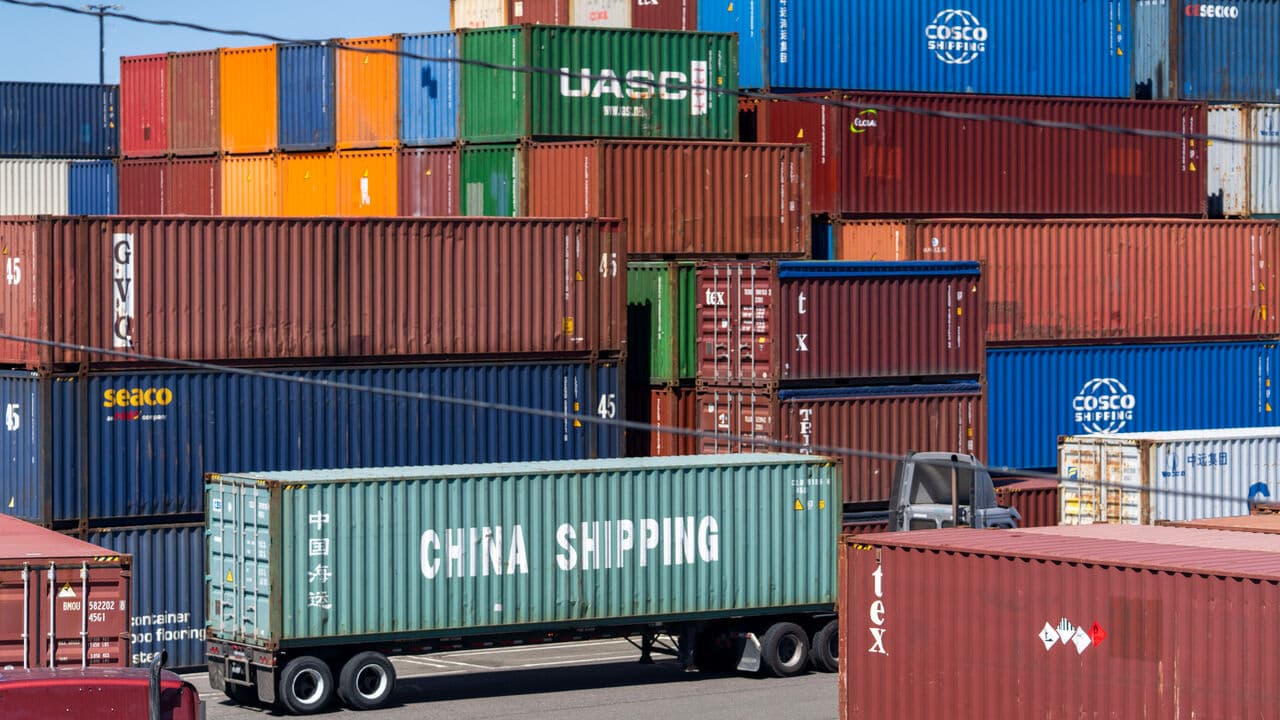
The White House’s Chinese Transshipment Scam Claim: How Markets Will React
Latest Market News
All News →
CFTC Charts New Path for Crypto Regulation

Quick Sigorta’s Price Stabilization Fund Exhausted in 15 Days: Sector Sensitivity Rises

BİM’in Fiyat Savaşı: 25‑31 Temmuz İndirimleri Çığır Açıyor

U.S. Approves $4.5 Billion KC-46A Refueler Deal with Qatar: A New Chapter in Regional Strategy
Foreign Currency Deposits Slip by $297 Million, KKM Plummets: Shifting Dynamics in Turkey’s Banking Sector