
Tensions Peak at Hormuz: Global Energy Flow Under Siege
724FinanceAylin Güneş
Key Highlights
Küresel enerji arzının aort damarı konumundaki **Hürmüz Boğazı**, Tahran yönetiminin sert ültimatomu ile yeniden küresel finansal risk radarının en üs
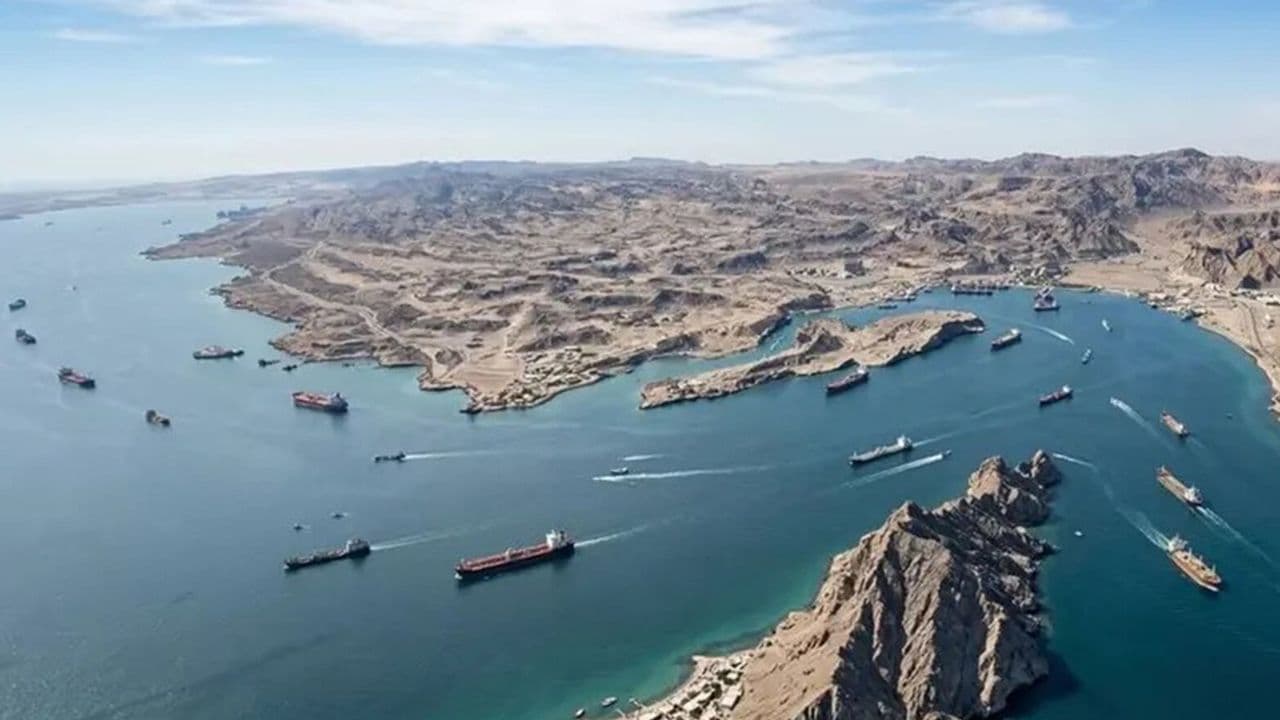
The Strait of Hormuz, constituting the aorta of global energy supply, has moved to the absolute peak of the global financial risk radar with Tehran's stern ultimatum. Brigadier General Hossein Mohebbi, spokesperson for the Islamic Revolutionary Guard Corps, emphasized that the strait is not merely a transit route but a strategic field of conflict, declaring that this critical chokepoint will remain under control until the United States accepts the conditions set by Iran. This move signals sharp volatility in crude oil prices and potential sudden surges in freight insurance premiums.
Geopolitical Risk Thermometer Rising in Hormuz
As regional tensions escalate, carrying the potential for sharp volatility in commodity markets, the military tone in Iranian officials' statements is striking. Brigadier General Hossein Mohebbi's remarks on state television indicate that the crisis is transforming from a diplomatic resolution into an economic leverage tool.Tehran's Red Lines to Washington
Iran, standing at the nexus of energy supply security, has tied its bargaining to specific and non-negotiable conditions. The conditions mentioned by Foreign Minister Abbas Araqchi reveal the depth of the rupture in diplomatic relations and the magnitude of economic sanctions.Risk of Critical Blow to Global Energy Supply
Considering that a significant portion of the world's oil consumption is supplied through this passage, a lockdown in the Strait of Hormuz could trigger a global inflation shock, not just a regional one. Investors are closely monitoring current account pressures in energy-importing emerging markets and the impact on central bank policies.From a portfolio management perspective, such geopolitical risks create a "tail risk" beyond classical market data. While energy sector stocks may rally on price increases in the short term, rising energy costs erode the operational margins of industrial and consumer sectors. In this environment, long-term value investors pivoting towards integrated energy companies with strong cash flows and low debt structures can act as an inflationary hedge, shielding the portfolio from volatile fluctuations.
Related News & Analysis
View All →
HSBC’s Most Traded Shares: Smart Money Signals in the Markets

Halk Yatırım’s Trading Masterclass: Top 10 Most Traded Stocks Revealed for H1 2024

Borsa Istanbul Companies Announce Game-Changing New Partnerships and Investment Moves

BIST Imposes Short‑Sell Ban on Cem Zeytin and BJKAS Shares Under Volatility‑Based Measures

China Opens a New Critical Mineral Pipeline to the United States
European Markets Clash with Rising Oil Prices: Mixed Day
Latest Market News
All News →Rising Yields Threaten to Burst the Stock-Market Bubble: How Markets Will React

Human Capital Resilience in the Age of AI: Implications for Financial Markets
![[ALKLC] ALTINKILIÇ GIDA VE SÜT SANAYİ TİCARET A.Ş.
Katılım Finansı İlkeleri Bilgi Formu - Katılım Finansı İlkeleri Bilgi Formu](/_next/image?url=%2Fuploads%2Fkap-default.png&w=3840&q=75)
[ALKLC] ALTINKILIÇ GIDA VE SÜT SANAYİ TİCARET A.Ş. Katılım Finansı İlkeleri Bilgi Formu - Katılım Finansı İlkeleri Bilgi Formu

Turkey Cuts Inflation Target from 75–80% to 30%: Bolat’s Bold Move

Hyperliquid Goes to the US: Regulatory and Market Shockwaves