Turning Point at the Strait of Hormuz: How the Iran-Oman Accord Directs Oil Markets
Küresel enerji arzının en kritik noktası olan Hürmüz Boğazı'nda, Tahran ile Maskat arasında yürütülen diplomasi trafiği petrol fiyatlarında volatilite
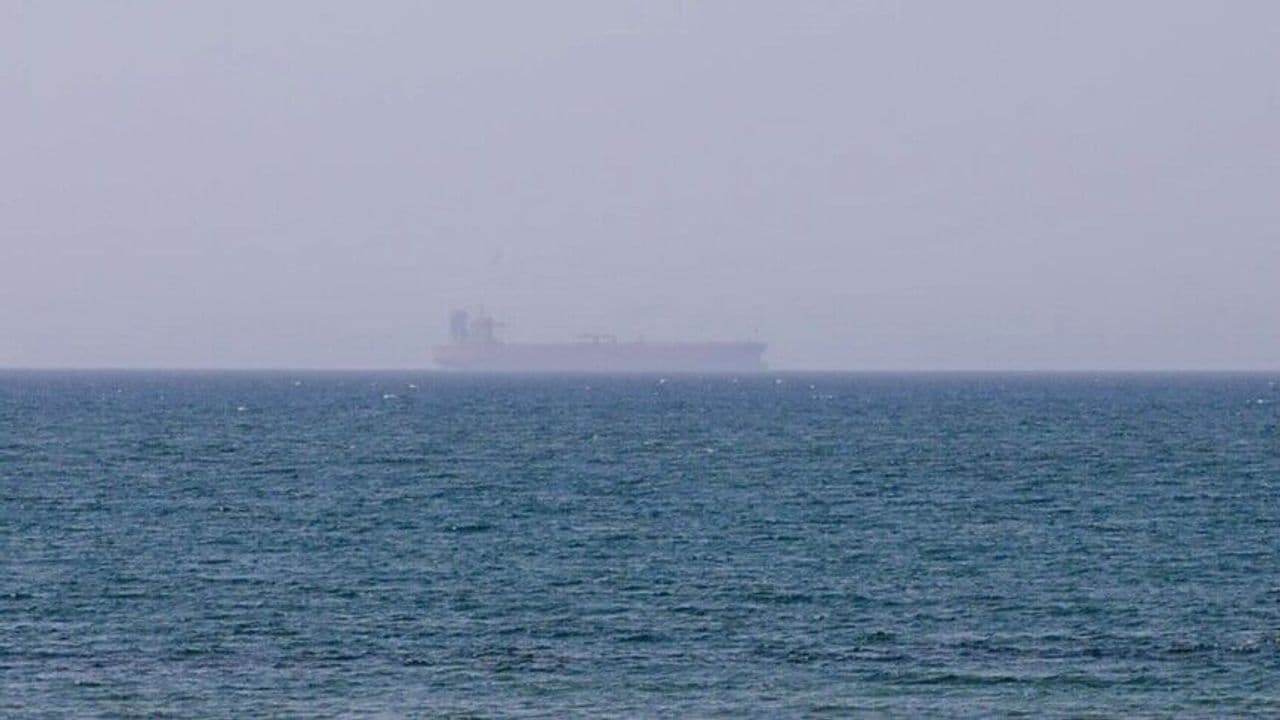
Global energy supply chains are facing a pivotal moment as diplomatic negotiations between Tehran and Muscat near a conclusion over the Strait of Hormuz, a move poised to curb volatility in oil prices. Iranian Foreign Ministry Spokesman Ismail Baghaei’s confirmation of a "constructive" atmosphere is shaping market expectations regarding the upcoming 2 to 4 month transitional period.
New Maritime Route in the Heart of Hormuz
Consensus has been reached on the maritime navigation map during the 3-week-long discussions between Iran and Oman. This development signals a potential normalization in freight rates by alleviating regional security concerns.
Frozen Assets and the Broken Accord Chain
The agreement reached on June 14 under Pakistan's mediation was shelved after the US failed to release Iran's frozen assets. This diplomatic rupture led Tehran to restrict passage in the Strait and triggered intense clashes lasting approximately 2 weeks starting on July 8.
Temporary Solution and Strategic Wait-and-See
Iranian Deputy Foreign Minister Kazem Gharibabadi emphasized that the route under development is a temporary solution and the full reopening of the Strait of Hormuz depends on Washington's stance. Markets are pricing the impact of this interim arrangement on global oil supply security.
As markets closely monitor this diplomatic traffic, volatility in Brent crude may pressure energy stocks within the BIST 100 index to test technical resistance levels. If oil prices test the $85-90 band at Fibonacci retracement levels, I foresee an increase in algorithmic trading volumes in Tüpraş and energy companies. However, the "hawkish" stance of the US regarding frozen assets could render this relief temporary and abruptly dampen risk appetite.
Related News & Analysis
View All →
Norway’s July Oil Production Slump Sends Shockwaves Through European Energy Markets

British Banks Issue Stern Warning to New Finance Minister and Market Implications
HSBC’s Most Traded Shares: Smart Money Signals in the Markets

Halk Yatırım’s Trading Masterclass: Top 10 Most Traded Stocks Revealed for H1 2024

Borsa Istanbul Companies Announce Game-Changing New Partnerships and Investment Moves

BIST Imposes Short‑Sell Ban on Cem Zeytin and BJKAS Shares Under Volatility‑Based Measures
Latest Market News
All News →![[YYAPI] YEŞİL YAPI ENDÜSTRİSİ A.Ş.
Katılım Finansı İlkeleri Bilgi Formu - Katılım Finansı İlkeleri Bilgi Formu](/_next/image?url=%2Fuploads%2Fkap-default.png&w=3840&q=75)
[YYAPI] YEŞİL YAPI ENDÜSTRİSİ A.Ş. Katılım Finansı İlkeleri Bilgi Formu - Katılım Finansı İlkeleri Bilgi Formu

Moderna's Cancer Vaccine Euphoria Hits Profit-Taking Wall: $18 Billion Wipeout
Moderna’s Personalized mRNA Gamble: Oncology Revolution or Market Bubble?
[GSRAY] GALATASARAY SPORTİF SINAİ VE TİCARİ YATIRIMLAR A.Ş. Transfer Görüşmelerinin Sonuçlanması veya Sona Ermesi - Profesyonel Futbolcu Aleksei Batrakov Transferi Hakkında
Norway’s July Oil Production Slump Sends Shockwaves Through European Energy Markets