
The Fall of Evergrande: Founder Hui Ka Yan Sentenced to Life in Prison
Çin ekonomisinin son yirmi yılına damga vuran ve kontrolsüz büyüme modelinin sembolü haline gelen gayrimenkul devi **China Evergrande Group**'un kuruc
In a landmark ruling that marks the definitive end of China's debt-fueled real estate boom, Hui Ka Yan, the founder of property giant China Evergrande Group, has been sentenced to life imprisonment in one of the nation's largest financial fraud and corruption cases. Once Asia's second-richest individual, Hui has seen his entire personal wealth confiscated, signaling a stern warning from Beijing to the global financial markets regarding corporate governance and unsustainable leverage.
The Collapse of a Debt-Fueled Empire and Falsified Balance Sheets
The comprehensive investigation by Chinese authorities exposed how Evergrande built its multi-billion-dollar empire on systemic deception, asset inflation, and hidden liabilities to illegally collect public funds.
A Paradigm Shift in Global Real Estate Financing
The downfall of Evergrande, which began with its historic default in 2021, has fundamentally reshaped global real estate development. The Chinese government's 'three red lines' regulatory framework effectively choked off the unchecked credit lines that fueled aggressive developers, proving that aggressive leverage models cannot survive tight monetary environments.
As a Real Estate Development and Valuation Specialist, I view this verdict not merely as a criminal sentence, but as the final nail in the coffin for the 'high-leverage, high-growth' property model globally. Evergrande's collapse serves as a stark reminder that mega-scale construction projects must be anchored in genuine market demand and robust cash flow rather than speculative valuations and shadow banking. For emerging markets, including Turkey, the Evergrande saga highlights the critical importance of strict balance sheet auditing and independent valuation standards. Beijing's uncompromising stance demonstrates a strategic pivot: transitioning real estate from a speculative financial asset back to its core purpose as social housing, a move that will depress global commodity demand but stabilize long-term systemic risk.
Related News & Analysis
View All →
Real Estate Trust's Financial Mirage: Conditional Audit Opinion and 26 Billion TL Loss

SPK Approves IPOs of Two Firms, Projecting Combined Market Size of 6.46 Billion TL

GMYO Earnings Surge: 397 Million TL Profit, Shares Down 56%

Eurozone Paradigm Shift: France’s Debt Spiral Elevates Italian Bonds as New Safe Haven

Istanbul's Rent Prices Hit 45,000 TL: 20,000 TL Above National Average

China's Real Estate Quagmire: A New Systemic Risk for Global Financial Stability
Latest Market News
All News →The Inheritance Condition: Financial Literacy Test

Wall Street's Weekly Close: Resilience Amid Bond and Oil Volatility

Algorithmic Accountability: Dutch Regulator Slaps Uber with $966m Fine
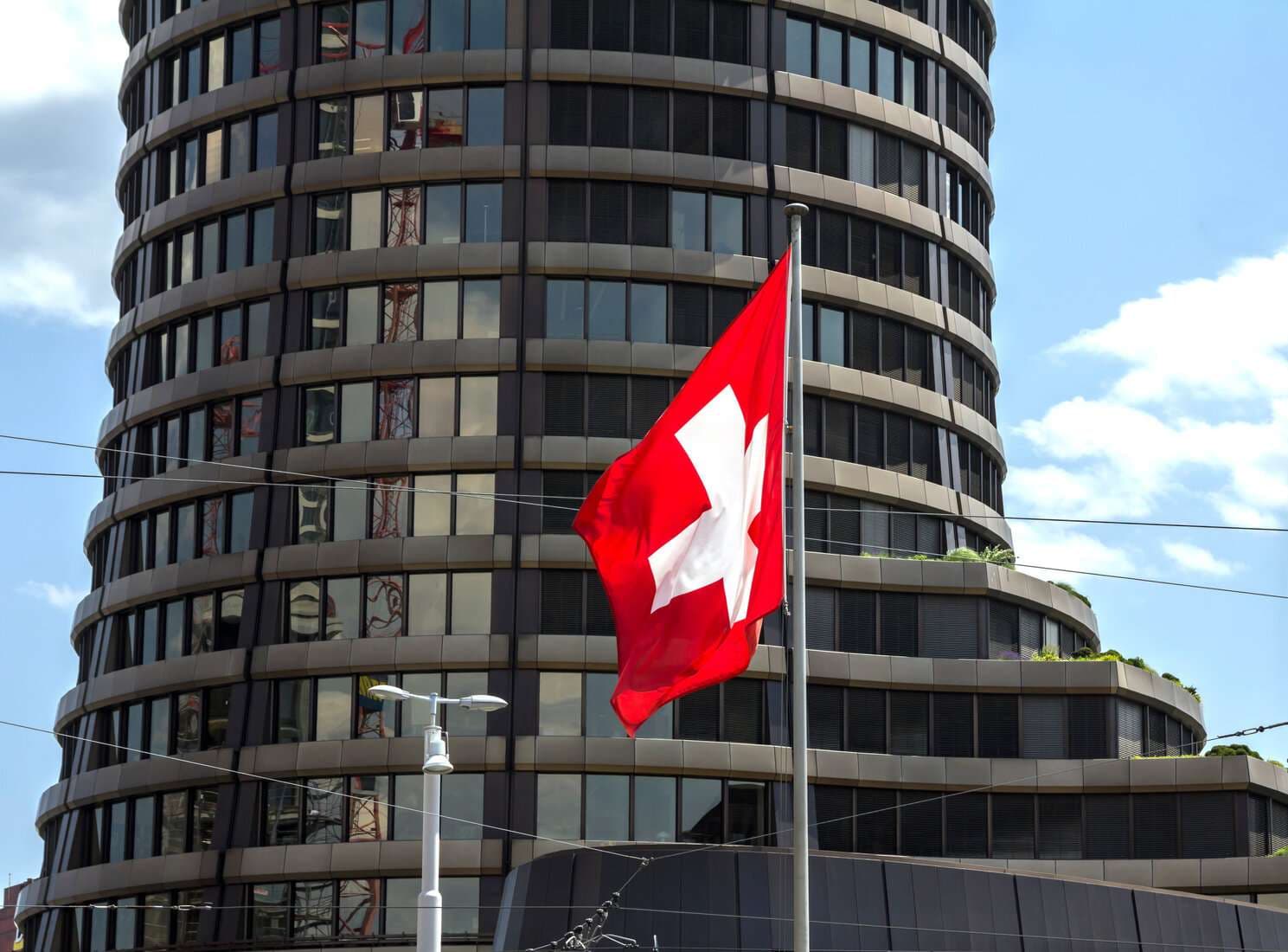
SNB Signals Potential Return to Negative Interest Rate Territory
![[BALAT] BALATACILAR BALATACILIK SANAYİ VE TİCARET A.Ş.
Payların Geri Alınmasına İlişkin Bildirim - 21.08.2026 Tarihli Pay Geri Alımı Hakkında](/_next/image?url=%2Fuploads%2Fkap-default.png&w=3840&q=75)
[BALAT] BALATACILAR BALATACILIK SANAYİ VE TİCARET A.Ş. Payların Geri Alınmasına İlişkin Bildirim - 21.08.2026 Tarihli Pay Geri Alımı Hakkında
