Middle East Conflict and US Tariff Shock Jolt Global Markets
Orta Doğu’daki yeni askeri gerilim ve ABD’nin zorla çalıştırma temelli gümrük vergileri, küresel piyasalarda sert bir gerilemeye yol açtı. ## Enerji

New military tensions in the Middle East and the United States' forced‑labor based tariff regime have triggered a sharp pullback in global markets.
Energy Bottleneck: The Strait of Hormuz
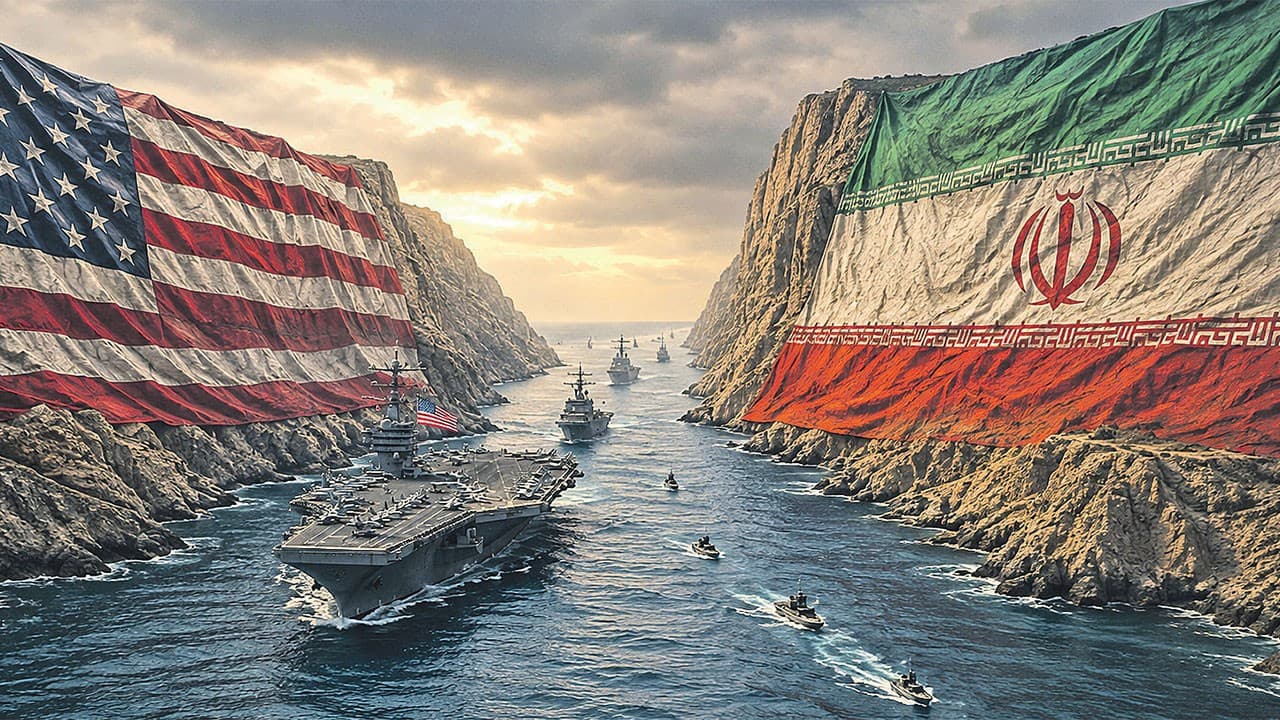
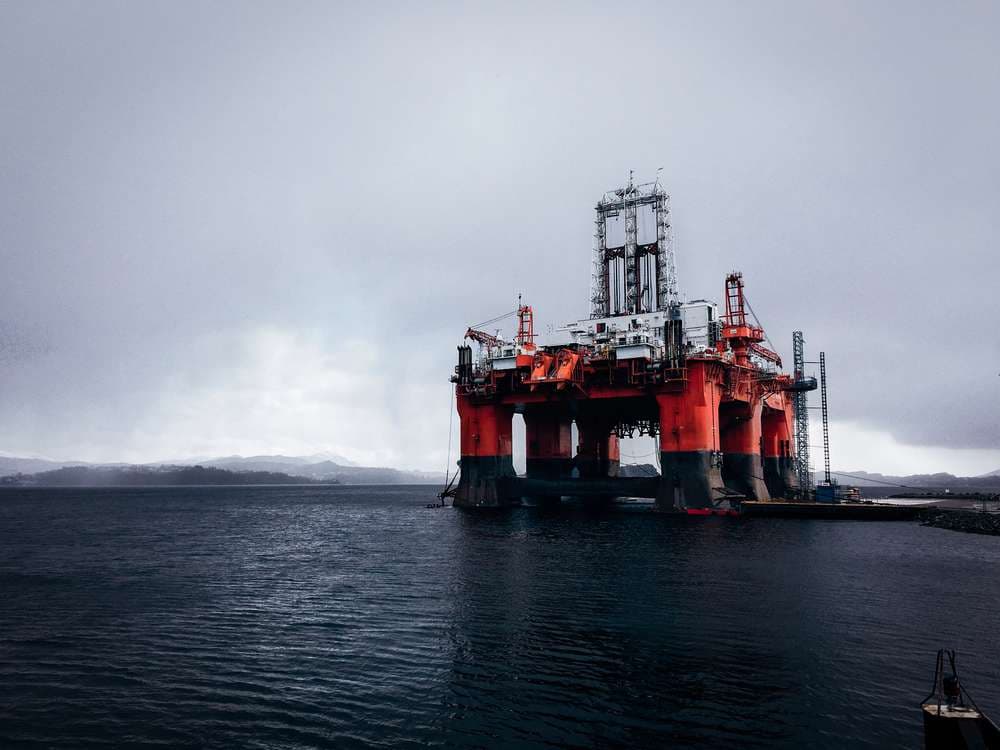
The armed standoff between the US and Iran has heightened the risk of disruption in the Strait of Hormuz, pushing Brent crude up 4.7 % to $94.9 per barrel. Higher energy prices are feeding inflation expectations and reinforcing the hawkish stance of central banks.
Fed’s Hawkish Shadow: Bond Market Turbulence
Market participants now price a 78 % chance that the Federal Reserve will raise rates twice before year‑end. The 2‑year US Treasury yield sits at 4.38 %, while the 10‑year yield has climbed to 4.72 %, the highest in 17 months. Rising borrowing costs could dampen risk‑on asset demand.
US Forced‑Labor Tariffs: New Trade Uncertainty
The USTR announced customs duties of 10‑12.5 % on imports from 60 trade partners. Affected economies include Argentina, Bangladesh, Canada, India, Mexico, and the United Kingdom. Higher tariff burdens may translate into price pressures across global supply chains.
ECB’s Inflation Warning: Lagarde’s Second‑Round Concerns
While the European Central Bank kept policy rates unchanged, Christine Lagarde cautioned that the energy shock from the Middle East could generate “second‑round effects,” even though clear signals are not yet visible. This uncertainty keeps inflationary pressure a central theme for the euro area.
Asian Inflation and Rate Outlook
Japan’s annual inflation rose to 1.7 %, prompting markets to price in a 1 % rate hike by the Bank of Japan before year‑end. Manufacturing and services PMI readings slipped slightly, yet the composite PMI held at 53.1 %, indicating resilient activity.
Turkey’s Liquidity and BIST 100 Performance
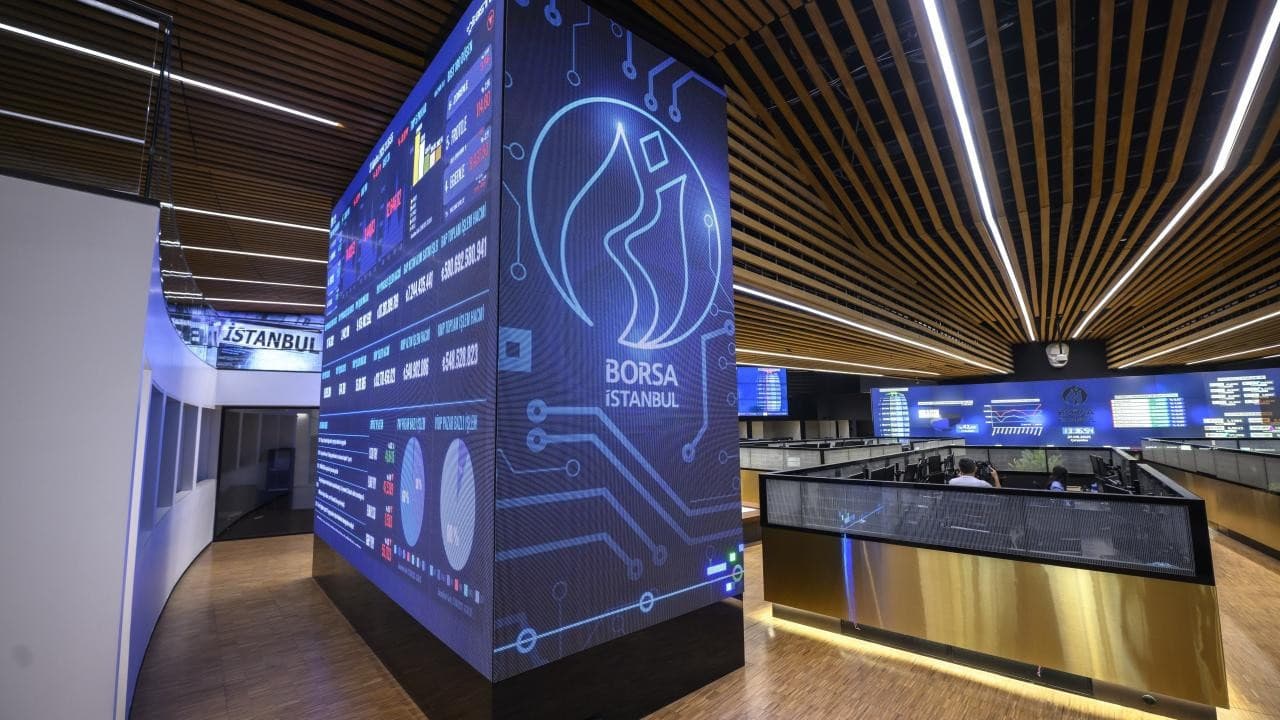
The BIST 100 index fell 0.43 % to 14,077.67 points. The Central Bank of the Republic of Turkey kept the repo rate at 37 %, with overnight lending and borrowing rates at 40 % and 35.5 %, respectively. The USD/TRY pair traded around 47.3450.
Rüzgar Ersoy – Director of Fintech and Banking: Escalating geopolitical risks in the Middle East are pushing energy prices higher and intensifying inflationary pressures, while the US’s new forced‑labor tariffs will reshape global trade flows. Together, these shocks are likely to compel central banks—especially the Fed and ECB—to adopt more aggressive tightening. In economies with high foreign‑currency debt like Turkey, careful liquidity management and interest‑rate risk mitigation are essential. Strengthening digital payment infrastructure and fintech innovation will be critical to sustaining financial stability amid this heightened uncertainty.
Related News & Analysis
View All →
Human Capital Resilience in the Age of AI: Implications for Financial Markets

Kalyon PV's Strategic Leadership Shift Sends Ripples Through Renewable Energy Markets
Turkey Leads Europe in Agriculture, Ranks Seventh Globally: $36 Billion Export Record
Iran’s Fierce Rebuttal to U.S. Sanctions: Accusations of Economic Terror and Crimes Against Humanity
BIST 100 Slides 0.43% as Market Sentiment Shifts
Foreign Capital's Balancing Act: Stock Purchase Meets Bond Sale
Latest Market News
All News →![[YYAPI] YEŞİL YAPI ENDÜSTRİSİ A.Ş.
Katılım Finansı İlkeleri Bilgi Formu - Katılım Finansı İlkeleri Bilgi Formu](/_next/image?url=%2Fuploads%2Fkap-default.png&w=3840&q=75)
[YYAPI] YEŞİL YAPI ENDÜSTRİSİ A.Ş. Katılım Finansı İlkeleri Bilgi Formu - Katılım Finansı İlkeleri Bilgi Formu

Moderna's Cancer Vaccine Euphoria Hits Profit-Taking Wall: $18 Billion Wipeout
Moderna’s Personalized mRNA Gamble: Oncology Revolution or Market Bubble?
[GSRAY] GALATASARAY SPORTİF SINAİ VE TİCARİ YATIRIMLAR A.Ş. Transfer Görüşmelerinin Sonuçlanması veya Sona Ermesi - Profesyonel Futbolcu Aleksei Batrakov Transferi Hakkında
Norway’s July Oil Production Slump Sends Shockwaves Through European Energy Markets