Black Sea Grain Chokehold Puts Global Markets on High Alert
724FinanceFatih Kılıç
Key Highlights
Dünyanın en büyük buğday ihracatçılarından Rusya ile "Avrupa'nın ekmek sepeti" Ukrayna arasındaki karşılıklı saldırılar, yeni hasat döneminde bölgedek

Escalating mutual attacks between Russia, the world's largest wheat exporter, and Ukraine, known as "Europe's breadbasket," are paralyzing maritime transport in the region during the new harvest season, creating a serious risk of supply shock in global food security and grain markets.
Critical Bottleneck in Supply Chain
Although Ukraine's grain and oilseed production is expected to reach 81 million tons this year, the export of these products, which constitute 60% of the country's total exports, is being blocked. According to data from the Ukrainian Ministry of Infrastructure, 35 attacks on ships in ports, 22 on ships at sea, and 67 on port facilities were carried out in July alone. These attacks have largely halted commercial traffic in the ports of Odesa, Chornomorsk, and Pivdennyi, where over 90% of exports are conducted.Mounting Operational Risks at Ports
Damage to export terminals at Russia's Taman Port and the restriction of vessel movements in the Sea of Azov since July 10 also threaten the export capacity of the opposing side. While loading speeds have decreased in Novorossiysk and Tuapse ports due to security measures, the Russian Union of Grain Exporters has warned that export corridors could close completely if current conditions persist.Risks Reverberating Through Global Markets
The alternative corridor established after the expiration of the Black Sea Grain Initiative, through which 33 million tons of grain were shipped last year, remains dysfunctional due to intensified attacks. The increase in price and supply pressure, particularly in African and Middle Eastern countries dependent on imports from the region, is triggering volatility in commodity markets.Our historical regression models forecast the lagged effect of such supply-side shocks on Core CPI at 2-3 quarters. This disruption in the Black Sea corridor creates a "surprise index" above market expectations, pulling the variance of food inflation upward. The explosion in import costs, particularly for emerging markets, presents a dataset that will further complicate monetary policy decisions.
Related News & Analysis
View All →
U.S. Approves $4.5 Billion KC-46A Refueler Deal with Qatar: A New Chapter in Regional Strategy

Turkey Cuts Inflation Target from 75–80% to 30%: Bolat’s Bold Move

Turkey Accelerates Irrigation Investments: A Boost to Food Security

ABD İşsizlik Sürprizi, TÜFE 3.6% Yıllık, ISM 50.5 – Ekonomik Sinyaller

Turkey’s Industrial Prices Surge: 1.83% Monthly Rise, 28.4% Annual Record Growth

BIST 100 Closes at 14,396.54, Down 0.43% – Istanbul Markets Ease
Latest Market News
All News →
CFTC Charts New Path for Crypto Regulation

Quick Sigorta’s Price Stabilization Fund Exhausted in 15 Days: Sector Sensitivity Rises
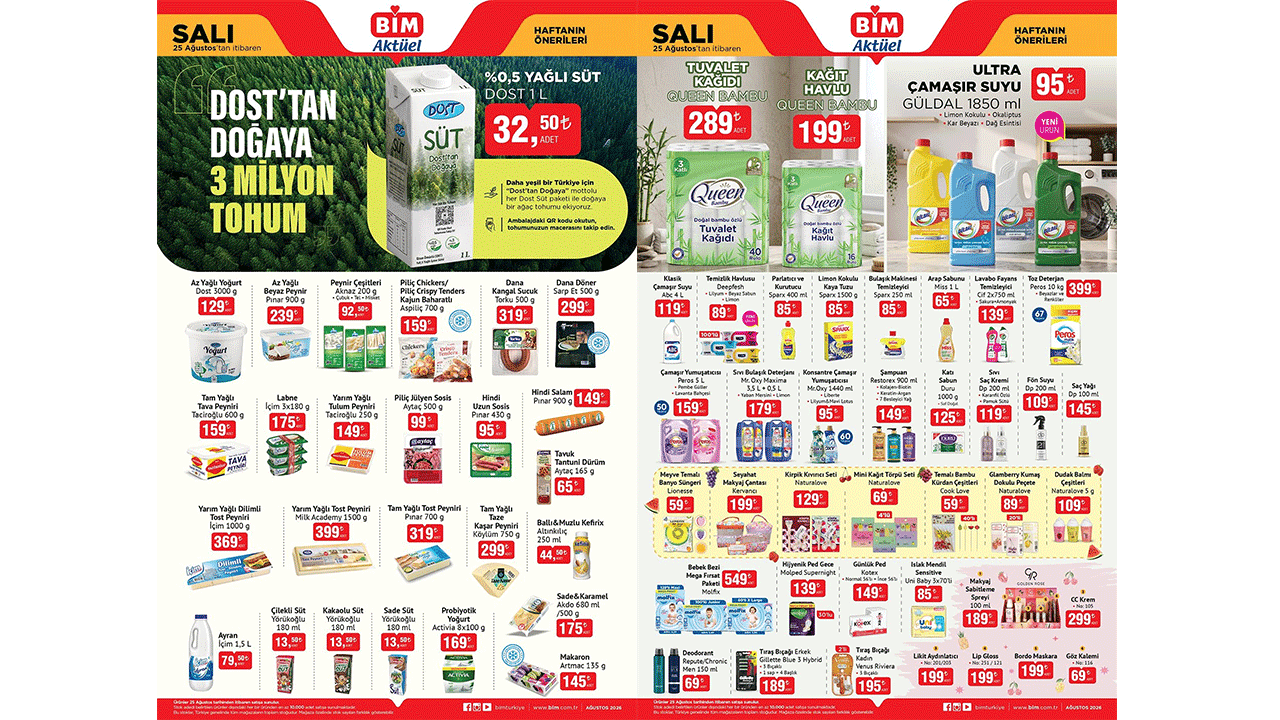
BİM’in Fiyat Savaşı: 25‑31 Temmuz İndirimleri Çığır Açıyor
U.S. Approves $4.5 Billion KC-46A Refueler Deal with Qatar: A New Chapter in Regional Strategy
Foreign Currency Deposits Slip by $297 Million, KKM Plummets: Shifting Dynamics in Turkey’s Banking Sector