Iran Tensions Drive Oil Surge, Pushing US Mortgage Rates Above 6.5%
ABD ile İran arasında yaşanan askeri gerilimin yeniden alevlenmesi ve petrol fiyatlarının bu durumdan beslenerek sert yükselmesi, Amerikan konut piyas

Renewed military escalation between the United States and Iran, coupled with a consequent surge in oil prices, has pushed US mortgage rates above the critical 6.5% threshold, tightening financial conditions across the housing sector. Following a period of relative stability last month, the return of geopolitical risks has emerged as the primary driver of increasing borrowing costs, creating a sense of unease among potential homebuyers.
Mortgage Costs Surge as Energy Risks Return
Oil prices climbing past the $80 per barrel mark and the resulting inflationary pressure on the energy front have triggered a direct wave of increases in mortgage rates. According to data from Freddie Mac, the average 30-year fixed-rate mortgage rose to 6.55% this week, up from 6.49% in the previous week. The increase in short-term costs was even steeper; the average 15-year mortgage rate climbed from 5.82% to 5.93% within a week, confirming the upward trend in housing credit costs.
Treasury Yields Spike Amid Geopolitical Unrest
Markets quickly shook off the relief provided by Tuesday's cooler June inflation data in the face of volatility in energy prices. The 10-year Treasury yield, which mortgage rates closely track, recorded a sharp spike following the collapse of the ceasefire and the resumption of strikes between the US and Iran. Kara Ng, a senior economist at Zillow, described the current situation as being "caught between softer inflation data and renewed energy risks," noting that higher oil prices continue to keep pressure on the inflation outlook and borrowing costs.
Cooling Demand in the Housing Sector
The impact of rising interest rates on the housing market has been immediate. Data from the Mortgage Bankers Association revealed a notable decline in mortgage applications compared to the previous week.
Captain Riza Deniz Note: Viewing this through the lens of maritime and logistics, it is evident that the tension with Iran is not merely a regional crisis but a direct disruptor of the global energy supply chain's generator. The risk perception in the Strait of Hormuz abruptly drives up crude oil freight rates and barrel prices, re-activating global inflationary pressures via commodity prices. This dynamic weakens the hand of central banks, while rising shipping costs feeding into consumer prices lock mortgage rates in an upward trajectory. This shockwave in energy supply, magnifying supply chain costs, stands as the most significant maritime storm threatening the "soft landing" scenario for inflation.
Related News & Analysis
View All →
Moderna's Cancer Vaccine Euphoria Hits Profit-Taking Wall: $18 Billion Wipeout

Singh Joins Mayfield: A New Era for Chip Investments

Ramp Unveils Model Router, Steering the AI Landscape into a New Era

WNBA’s Landmark Pay Raise: 364% Surge in Player Wages Sparks Labor Milestone

Gen Z Rewrites the American Dream in the Great Postponement

Inertia Enterprises Cuts Fusion Fuel Loading to Hours, Shaking the Energy Market
Latest Market News
All News →![[YYAPI] YEŞİL YAPI ENDÜSTRİSİ A.Ş.
Katılım Finansı İlkeleri Bilgi Formu - Katılım Finansı İlkeleri Bilgi Formu](/_next/image?url=%2Fuploads%2Fkap-default.png&w=3840&q=75)
[YYAPI] YEŞİL YAPI ENDÜSTRİSİ A.Ş. Katılım Finansı İlkeleri Bilgi Formu - Katılım Finansı İlkeleri Bilgi Formu
Moderna's Cancer Vaccine Euphoria Hits Profit-Taking Wall: $18 Billion Wipeout
Moderna’s Personalized mRNA Gamble: Oncology Revolution or Market Bubble?
[GSRAY] GALATASARAY SPORTİF SINAİ VE TİCARİ YATIRIMLAR A.Ş. Transfer Görüşmelerinin Sonuçlanması veya Sona Ermesi - Profesyonel Futbolcu Aleksei Batrakov Transferi Hakkında
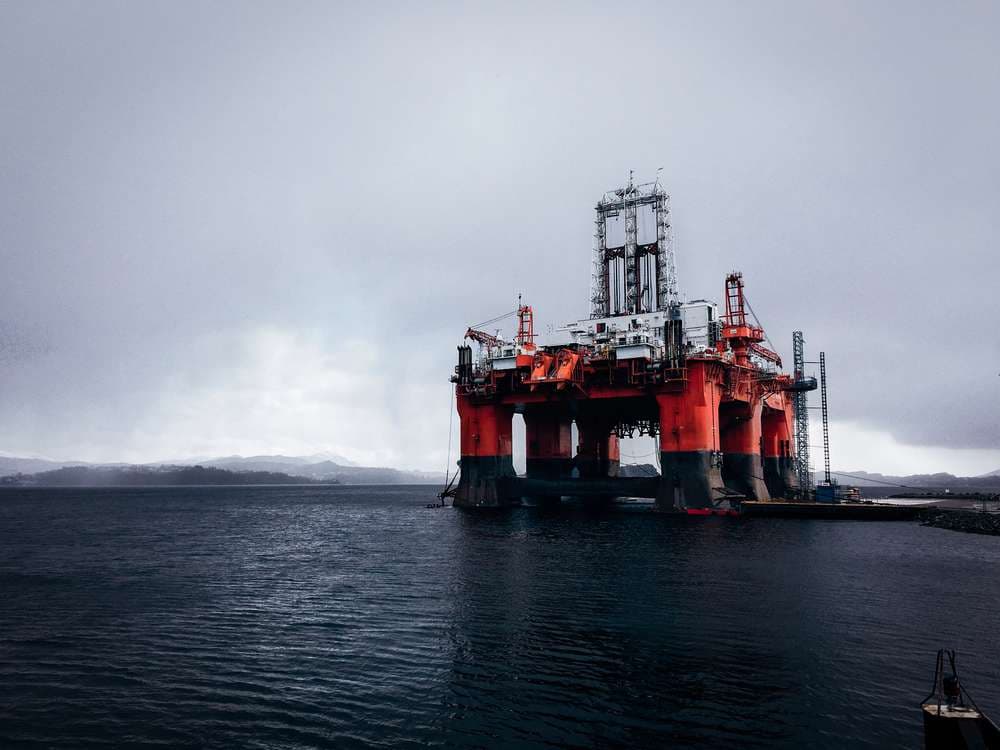
Norway’s July Oil Production Slump Sends Shockwaves Through European Energy Markets