
SK Hynix's AI Era Strategy: Massive Employee Bonuses Shifted to Stock in Landmark Deal
Güney Koreli çip devi **SK Hynix**, çalışanlarıyla gerçekleştirdiği toplu iş sözleşmesi görüşmelerinde, bu yılki rekor prim ödemelerinin en az %60'ını
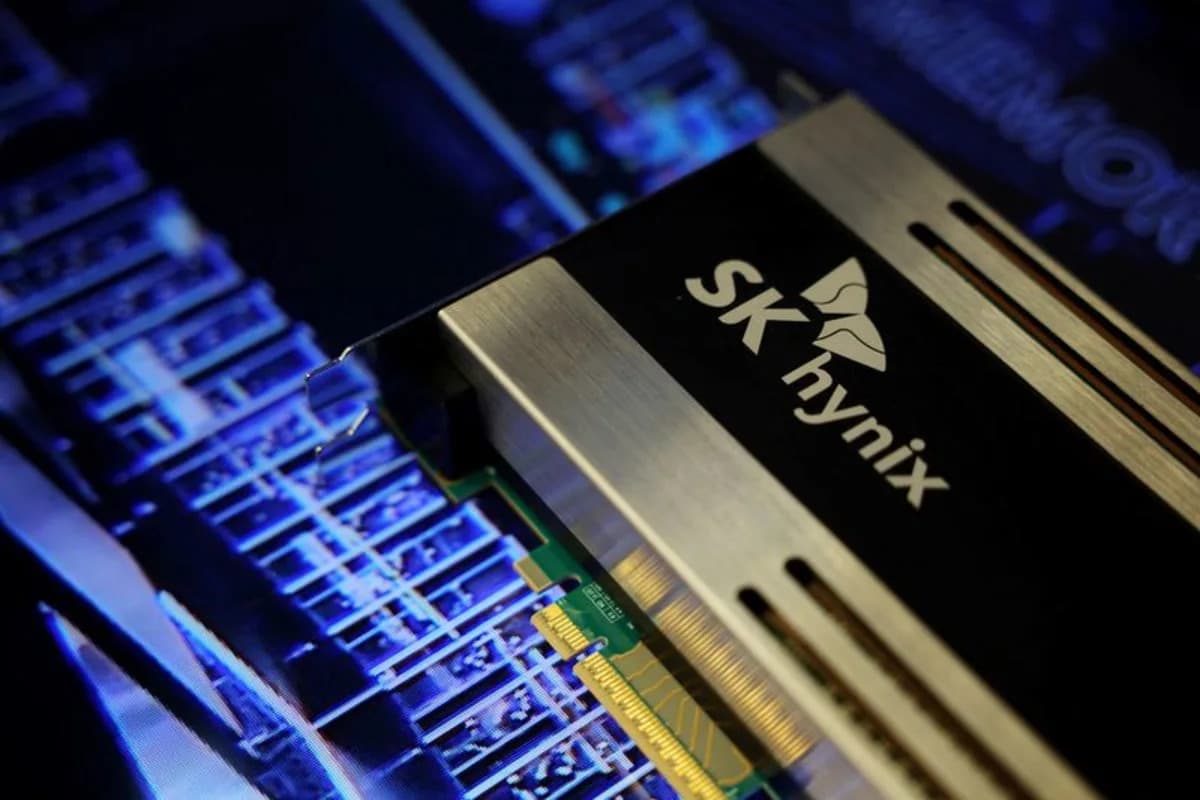
South Korean chipmaker SK Hynix has reached a tentative wage agreement with its labor union, introducing a landmark scheme where workers will receive at least 60% of this year's massive bonuses in company shares rather than cash. Fueled by the artificial intelligence boom, the company's soaring earnings had threatened a severe cash drain, prompting this strategic pivot. Following the announcement, SK Hynix shares surged 4% in pre-market trading on Thursday.
Balancing the AI Bonanza with Capital Preservation
The unprecedented demand for high-bandwidth memory (HBM) chips has led to eye-popping compensation projections, with workers set to receive an average of 779 million won ($547,000) for 2026. However, paying this entire sum in cash posed significant structural risks:
A Tiered Formula to Navigate Stock Volatility
While the company previously committed to sharing 10% of its annual operating profit in cash, management's push for stock-based compensation initially faced pushback due to equity volatility. SK Hynix shares hit a record high in June before slumping on market fears over high AI infrastructure spending. To address worker concerns, the new agreement outlines a structured payout:
Aligning Labor with Aggressive Shareholder Returns
This labor breakthrough aligns seamlessly with SK Hynix's broader capital allocation strategy. Just a day prior, the chipmaker announced plans to buy back and cancel 40 trillion won ($28.6 billion) of treasury shares, while pledging to allocate more than 50% of its free cash flow between 2025 and 2027 to boost shareholder returns.
Kemal Tekin's Analysis: In the high-stakes Asia-Pacific semiconductor race, liquidity management is just as vital as technological supremacy. SK Hynix's shift toward stock-based bonuses is a masterful tactical move to preserve the massive CapEx required to maintain its dominance in Nvidia's supply chain. By turning employees into direct shareholders, the company mitigates cash drain while aligning worker incentives with long-term equity performance. However, with high stock volatility driven by shifting global tech valuations and macroeconomic headwinds, managing internal morale will require delicate execution. This hybrid compensation model could set a new precedent for emerging market tech giants facing similar talent-retention and cash-preservation dilemmas.
Related News & Analysis
View All →
Algorithmic Accountability: Dutch Regulator Slaps Uber with $966m Fine

Bitcoin Hits $78,200 as Hyperliquid Becomes Leveraged Trading’s New Powerhouse
Iranian Crude Exits the Global Equation: Is Geopolitical Risk Underpriced?

Fortress Breached: Apollo Global Confirms Massive Data Leak Amid Financial Sector Siege

Tesla's Aesthetic Gamble: Solar Roof Project Quietly Fades Away

DOJ's Shock Antitrust Probe into A16z: Shifting Board Dynamics in Silicon Valley
Latest Market News
All News →The Inheritance Condition: Financial Literacy Test
Wall Street's Weekly Close: Resilience Amid Bond and Oil Volatility
Algorithmic Accountability: Dutch Regulator Slaps Uber with $966m Fine
SNB Signals Potential Return to Negative Interest Rate Territory
![[BALAT] BALATACILAR BALATACILIK SANAYİ VE TİCARET A.Ş.
Payların Geri Alınmasına İlişkin Bildirim - 21.08.2026 Tarihli Pay Geri Alımı Hakkında](/_next/image?url=%2Fuploads%2Fkap-default.png&w=3840&q=75)
[BALAT] BALATACILAR BALATACILIK SANAYİ VE TİCARET A.Ş. Payların Geri Alınmasına İlişkin Bildirim - 21.08.2026 Tarihli Pay Geri Alımı Hakkında
