
Turkey's Transformation Test: Intersection of Inflation and Structural Reforms
724FinanceAylin Güneş
Key Highlights
Türkiye ekonomisi, yüksek enflasyon ve baskılanmış döviz kuru ortamında kısa vadeli dengeler ile uzun vadeli yapısal ihtiyaçlar arasında kritik bir sı
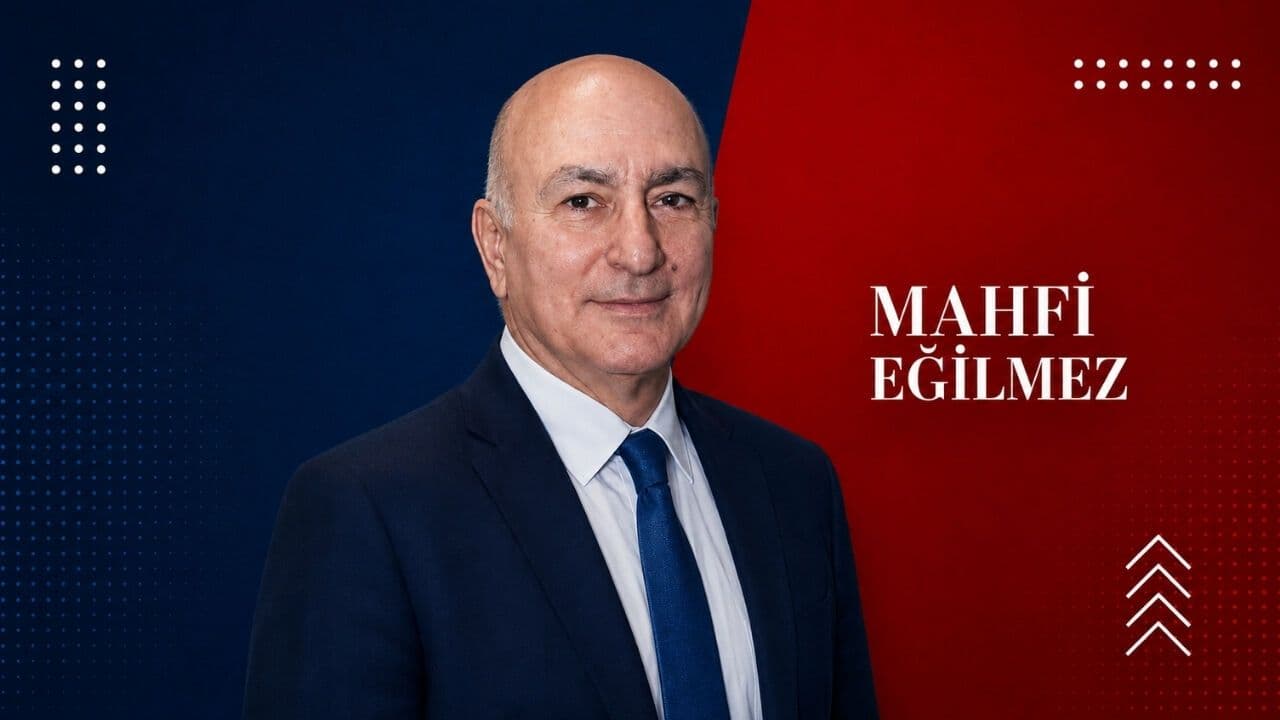
Turkey's economy is facing a critical test between short-term balances and long-term structural needs amidst an environment of high inflation and a suppressed exchange rate. Relying solely on growth data can be misleading; real performance must be measured by the aggregate of citizens' purchasing power, income distribution, corporate investment capacity, and international investor confidence. The fundamental economic challenge lies in converting current financial pressures into a constructive transformation.
The Double-Edged Sword of Inflation and Monetary Policy
High inflation continues to erode the purchasing power of fixed-income segments day by day, while also weakening savings trends and future expectations. While interest rate policy, the primary tool for combating inflation, is effective in controlling price hikes, its economic costs are inevitable.The Quest for Permanent Solutions in Exchange Rates and Current Account Deficit
Turkey's dependence on imports for energy, raw materials, and intermediate goods in its production process causes exchange rate movements to reflect directly on costs. For permanent exchange rate stability, creating an environment of trust that reduces risks is required instead of short-term suppression methods.The Imperative Shift from Consumption-Driven Growth to Technology
Turkey's young population and entrepreneurial capacity can turn into a global competitive advantage with the right policies. However, instead of a consumption-driven growth model, a shift towards a structure focused on production, technology, and efficiency is essential for sustainable prosperity.In periods of macroeconomic uncertainty, the key strategy in portfolio management is to pivot towards companies that can hedge against inflation and possess strong cash flows. While a high-interest environment increases borrowing costs, companies that pay dividends and prioritize shareholder value through share buyback (buyback) programs can act as a safe haven for long-term investors in this volatile environment. Sustainable growth will only fully reflect on market values if these structural reforms are implemented.
Related News & Analysis
View All →
İran, ABD Yaptırımlarını 'Ekonomik Terörizm' Dedi: Küresel Finansal Tabloları Huzursuzlaştırıyor
Norway’s July Oil Production Slump Sends Shockwaves Through European Energy Markets
British Banks Issue Stern Warning to New Finance Minister and Market Implications
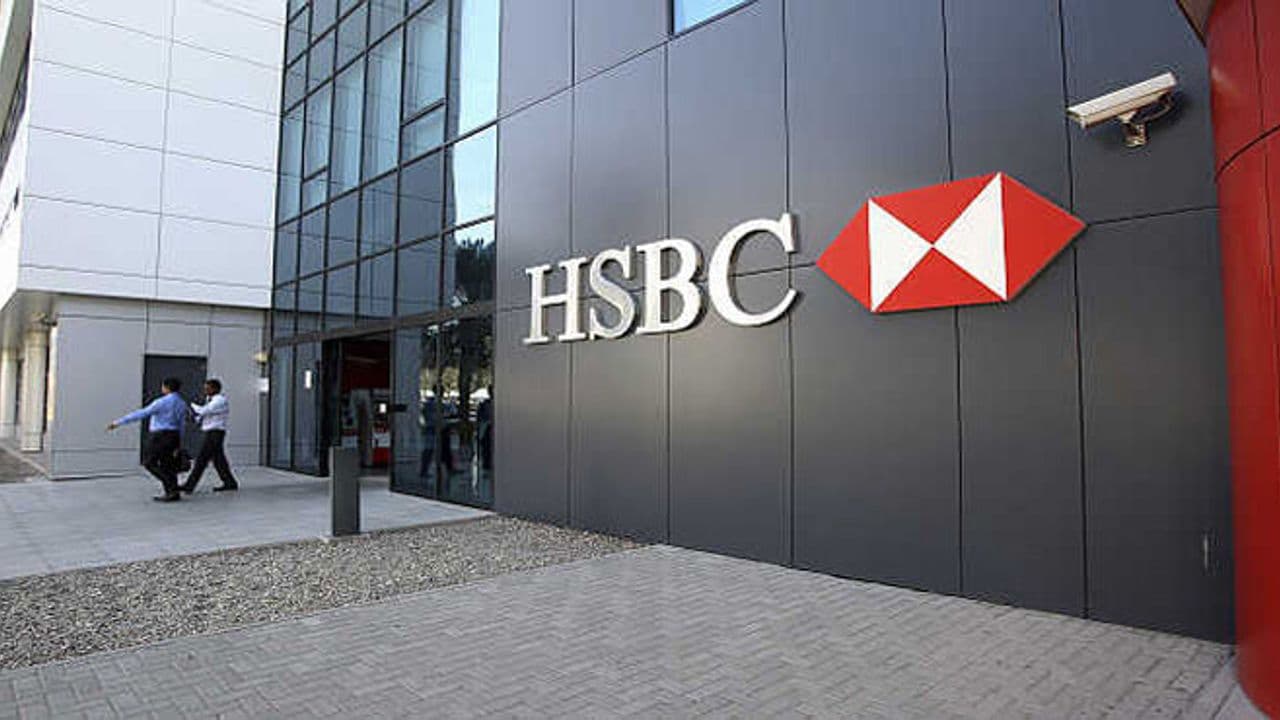
HSBC’s Most Traded Shares: Smart Money Signals in the Markets

Halk Yatırım’s Trading Masterclass: Top 10 Most Traded Stocks Revealed for H1 2024

Borsa Istanbul Companies Announce Game-Changing New Partnerships and Investment Moves
Latest Market News
All News →
Castelion Secures $13 Billion Valuation to Accelerate Hypersonic Missile Production
KAMUYU AYDINLATMA PLATFORMU Sermaye Piyasası Kurulu Tedbir Kararı / BAYRK - Sermaye Piyasası Kurulu Tedbir Kararı
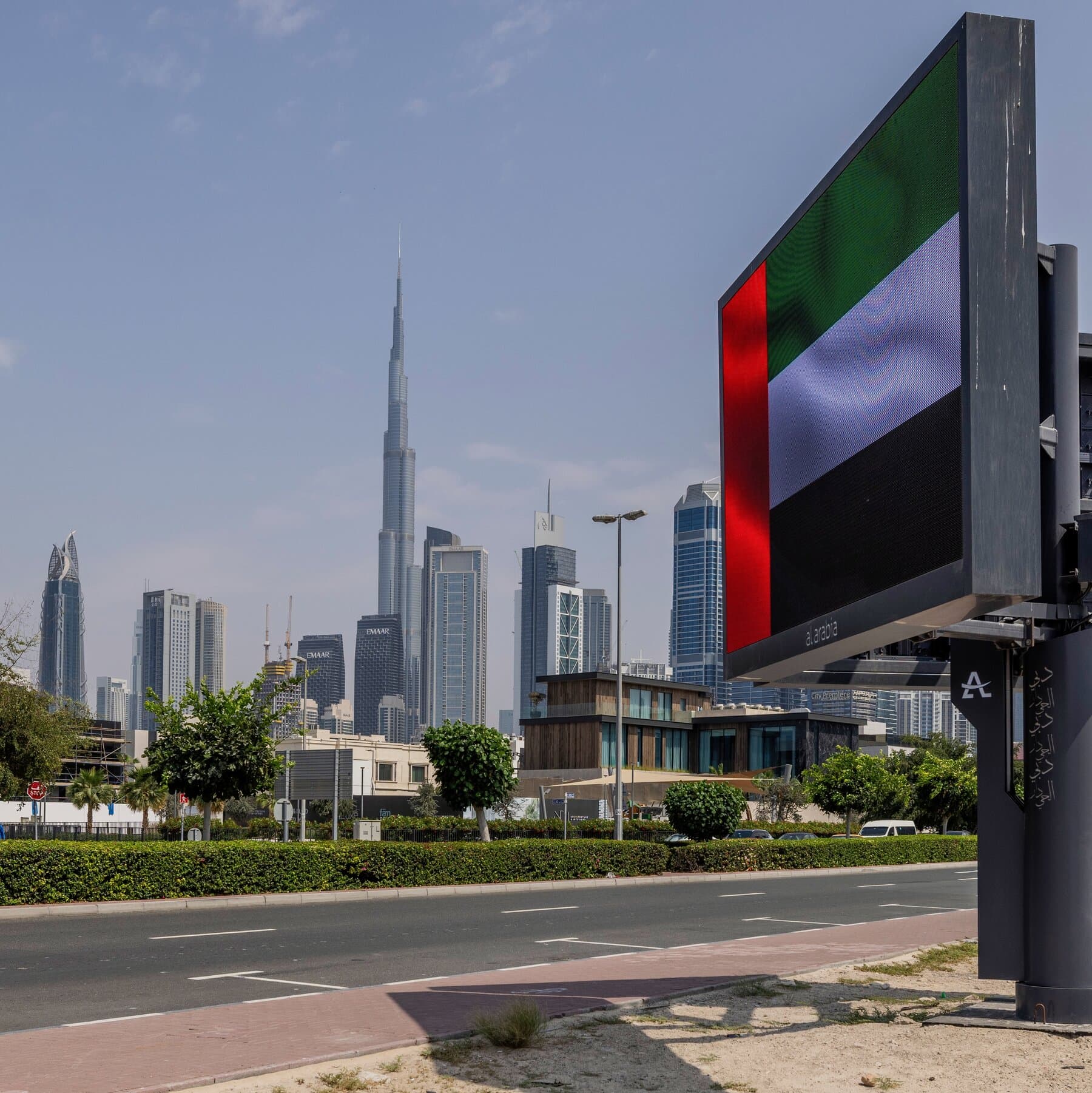
Binance Employees Arrested in UAE: Regulatory Pressure Intensifies
İran, ABD Yaptırımlarını 'Ekonomik Terörizm' Dedi: Küresel Finansal Tabloları Huzursuzlaştırıyor
[YYAPI] YEŞİL YAPI ENDÜSTRİSİ A.Ş. Katılım Finansı İlkeleri Bilgi Formu - Katılım Finansı İlkeleri Bilgi Formu
