
The World Crossed 3 Terawatts of Solar: Mapping the New Energy Markets
Güneş enerjisi, 21. yüzyılın en sessiz ama en etkili ekonomik hikayelerinden biri olarak, dünya genelinde devasa bir kurulu güç eşiğine ulaşarak farkı

The rapid deployment of solar power has marked one of the most significant, albeit silent, economic milestones of the 21st century. While it took a decade to deploy 1 terawatt of capacity after crossing the 100-gigawatt mark in 2012, the second terawatt—enough to meet peak US power demand—took less than three years to build. Analysts debate the precise timing, but the 3-terawatt threshold is expected to be reached by 2026, fundamentally reshaping global energy balances.
China's Dominance and the Rise of Emerging Markets
The first terawatt was driven largely by rich countries subsidizing installations when photovoltaics were expensive for developing nations. However, this dynamic shifted radically during the second and third terawatts as China seized the baton. While China's dominance caused the share of deployment in poor countries to stall since 2020, the narrative is evolving once again as other nations begin to catch up.
Infrastructure Bottlenecks and Financing Constraints
Solar deployment in China has outpaced the buildout of critical infrastructure, such as transmission lines and batteries. This imbalance has led to increased curtailment of solar production during peak hours, resulting in resource wastage. Analysts anticipate a slowdown in Chinese deployment following the country's latest five-year plan, which prioritizes increasing renewable energy consumption by over 50% rather than production. Conversely, BloombergNEF (BNEF) forecasts that the share of solar deployment in poor countries will resume growth this year.
The Revolution Hinges on Energy Storage
There is a theoretical upper limit to how much solar can be added to the grid; once solar meets all daytime demand, additional capacity holds no value. Regions like Australia and California, which boast high solar penetration, regularly set negative daytime electricity prices, signaling an oversupply. Lithium-ion batteries are essential to extend this boom by absorbing excess power for evening use.
Kemal Tekin Analysis: The signals of saturation in China's solar infrastructure and production curtailments mark a transition into a new phase for Asia-Pacific risk trading. Battery storage technologies and grid management solutions are emerging as the asset classes with the highest return potential for the next decade. This rapid transformation in energy infrastructure, particularly in Frontier Market economies like Pakistan and the Philippines, acts as a direct catalyst for both local equity markets and regional credit risk spreads.
Related News & Analysis
View All →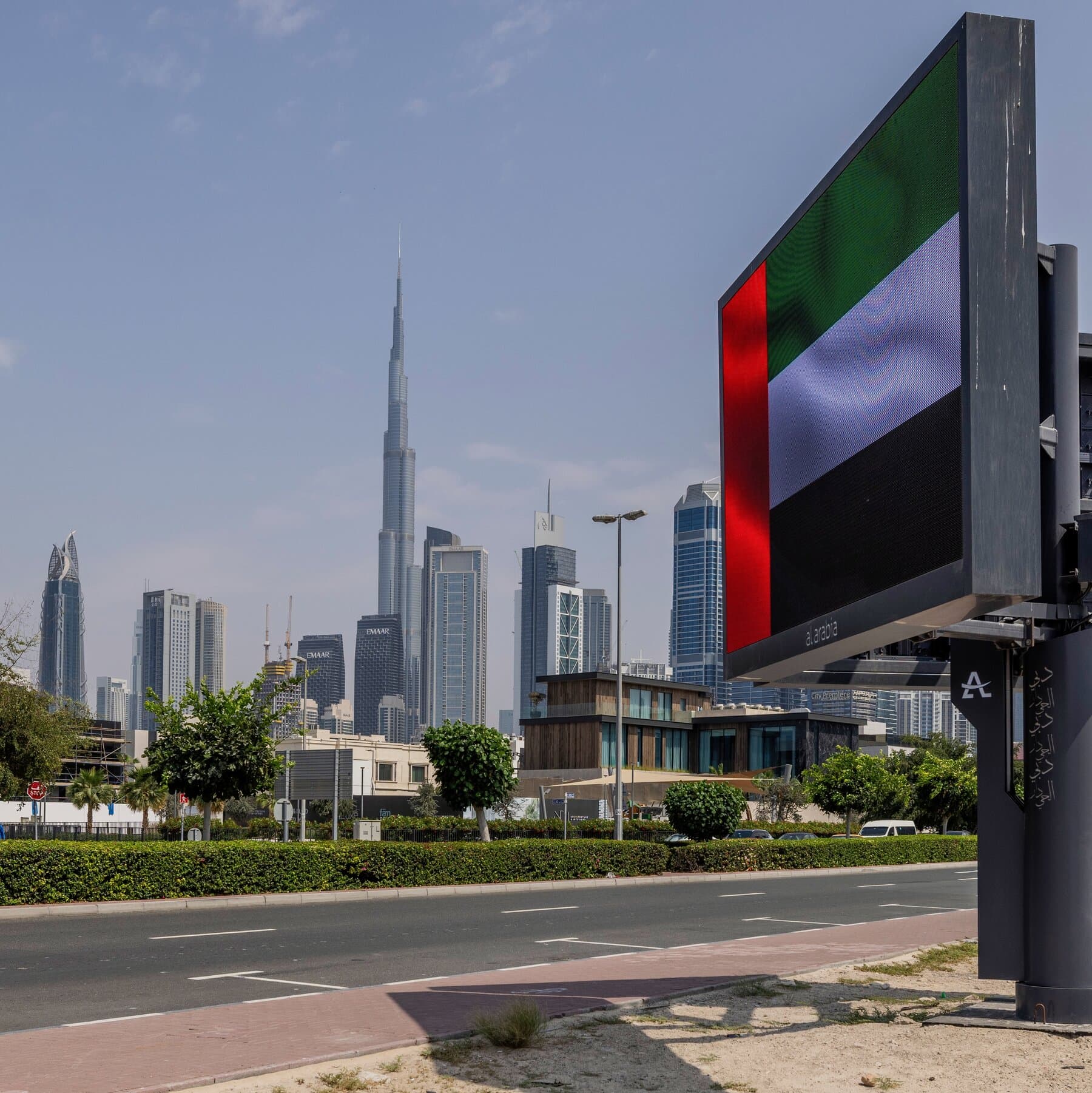
Binance Employees Arrested in UAE: Regulatory Pressure Intensifies

Moderna's Cancer Vaccine Euphoria Hits Profit-Taking Wall: $18 Billion Wipeout

Singh Joins Mayfield: A New Era for Chip Investments

Ramp Unveils Model Router, Steering the AI Landscape into a New Era

WNBA’s Landmark Pay Raise: 364% Surge in Player Wages Sparks Labor Milestone

Gen Z Rewrites the American Dream in the Great Postponement
Latest Market News
All News →
KAMUYU AYDINLATMA PLATFORMU Sermaye Piyasası Kurulu Tedbir Kararı / BAYRK - Sermaye Piyasası Kurulu Tedbir Kararı
Binance Employees Arrested in UAE: Regulatory Pressure Intensifies

İran, ABD Yaptırımlarını 'Ekonomik Terörizm' Dedi: Küresel Finansal Tabloları Huzursuzlaştırıyor
[YYAPI] YEŞİL YAPI ENDÜSTRİSİ A.Ş. Katılım Finansı İlkeleri Bilgi Formu - Katılım Finansı İlkeleri Bilgi Formu