Auriga Space's Catapult Technology Could Redefine Satellite Launch Efficiency and Market Dynamics
Uzay ekonomisinin roket fırlatma kısıtlamaları, artan talep ve tedarikin yetersizliği nedeniyle büyük bir darboğaz haline geldi. 2026'da 2025'ten daha

The space economy is grappling with a critical bottleneck in rocket launches, where demand outpaces supply and potential declines in 2026 flight numbers loom. Winnie Lai's Auriga Space seeks to disrupt this paradigm by developing a linear electromagnetic accelerator to propel rockets to high altitudes, eliminating the need for traditional first-stage propulsion. Drawing inspiration from Gerard O'Neill's 1970s concept and the USS Gerald R. Ford's electromagnetic aircraft launch system, the company has built prototypes achieving Mach 2.4 speeds. With $12 million in funding, Auriga is initially targeting hypersonic material testing for revenue via its Prometheus accelerator, while eyeing long-term satellite launches. The startup's dual focus on defense applications, such as anti-drone systems, underscores its strategic versatility.
Electromagnetic Launch Systems: A Paradigm Shift in Aerospace
Heat-to-Energy Innovation: Powering the AI Era
Markets are pricing in efficiency gains from these technologies, but investors must scrutinize scalability and regulatory risks. Auriga's catapult system could reduce launch costs by 30-40% if commercialized, while POSTECH's thermoelectrics might cut data center energy use by $1.2 billion annually in the U.S. alone. The convergence of space logistics and green energy presents a unique opportunity, but Auriga's success hinges on securing large-scale infrastructure partnerships and navigating FAA launch regulations. Meanwhile, POSTECH's technology could see rapid adoption if pilot programs with cloud providers validate its ROI. Both ventures exemplify the macroeconomic shift toward capital-light, tech-driven solutions.
Related News & Analysis
View All →
Moderna's Cancer Vaccine Euphoria Hits Profit-Taking Wall: $18 Billion Wipeout

Singh Joins Mayfield: A New Era for Chip Investments

Ramp Unveils Model Router, Steering the AI Landscape into a New Era

WNBA’s Landmark Pay Raise: 364% Surge in Player Wages Sparks Labor Milestone

Gen Z Rewrites the American Dream in the Great Postponement

Inertia Enterprises Cuts Fusion Fuel Loading to Hours, Shaking the Energy Market
Latest Market News
All News →Moderna's Cancer Vaccine Euphoria Hits Profit-Taking Wall: $18 Billion Wipeout
Moderna’s Personalized mRNA Gamble: Oncology Revolution or Market Bubble?
![[GSRAY] GALATASARAY SPORTİF SINAİ VE TİCARİ YATIRIMLAR A.Ş.
Transfer Görüşmelerinin Sonuçlanması veya Sona Ermesi - Profesyonel Futbolcu Aleksei Batrakov Transferi Hakkında](/_next/image?url=%2Fuploads%2Fkap-default.png&w=3840&q=75)
[GSRAY] GALATASARAY SPORTİF SINAİ VE TİCARİ YATIRIMLAR A.Ş. Transfer Görüşmelerinin Sonuçlanması veya Sona Ermesi - Profesyonel Futbolcu Aleksei Batrakov Transferi Hakkında
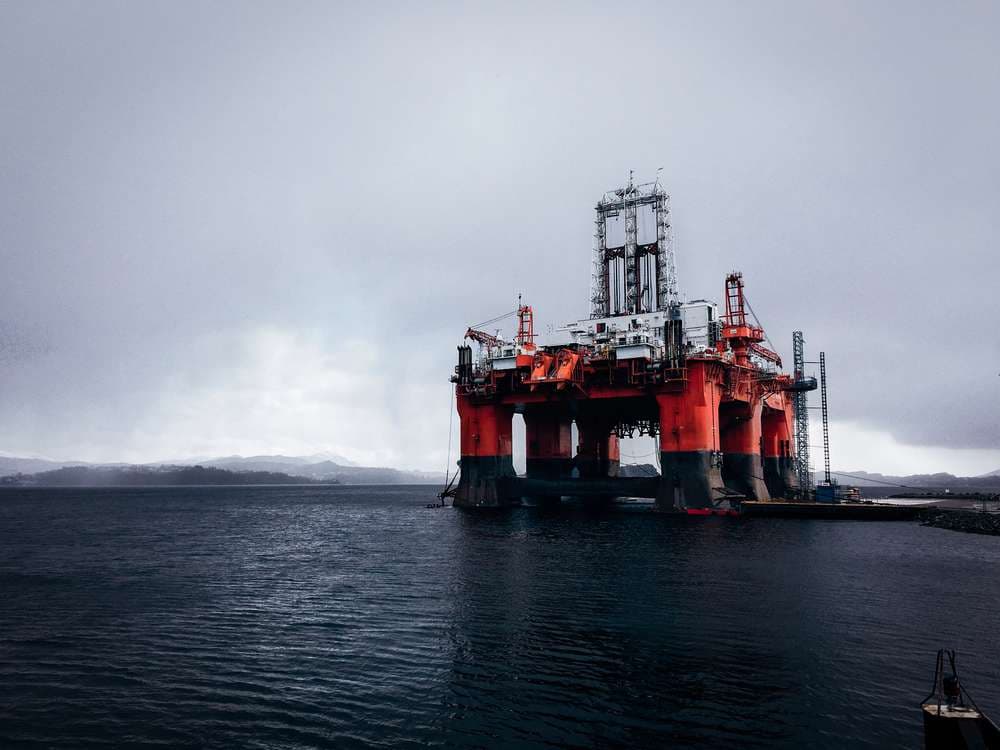
Norway’s July Oil Production Slump Sends Shockwaves Through European Energy Markets

XRP's Post‑Election Best Week and Bitcoin Short Squeeze Shake the Crypto Market