
Trump Administration Squeezes China: $340 Million Geoeconomic Warfare Plan
Associated Press tarafından elde edilen gizli belgeler, ABD yönetiminin küresel ticaret hatlarında Çin'in egemenliğine son vermek için kasasını açtığı
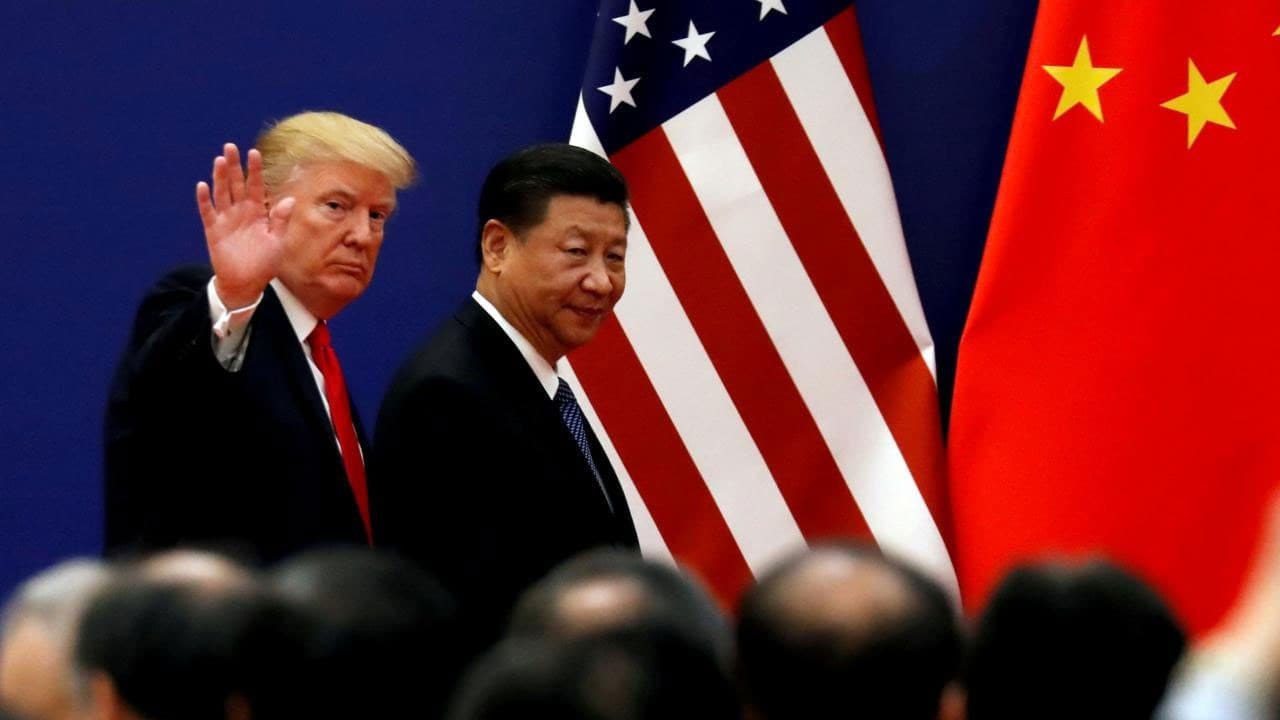
Documents obtained by the Associated Press reveal that the US administration is opening its coffers to end China's dominance in global trade routes and is preparing a geoeconomic counter-offensive. Washington is now aiming to suffocate Beijing's Belt and Road Initiative (BRI) not just with tariffs, but through direct strategic infrastructure investments.
Washington's Direct Financial Strike on Beijing
According to plans submitted to Congress by the US State Department and reached by AP, the US is significantly increasing resources for anti-China activities. This move is considered a turning point for the security of global supply chains and US continental supremacy.
Blocking the Belt and Road: Strategic Targets from Panama to Tibet
The plan's focus is on fragmenting China's presence in critical logistics and digital infrastructure. The Trump administration has documented with records that it holds "deep concern" regarding Chinese investments, particularly in port ownership at both ends of the Panama Canal and the telecommunications sector. In this context, projects in El Salvador, Guatemala, Honduras, Nicaragua, and Haiti aim to narrow China's alternative markets with US financing.
On the other hand, the draft plans cover not only geographical but also ideological and technological war theaters. The US plans to take the following measures against the technological and diplomatic influence of the Chinese Communist Party (CCP):
From a fiscal policy standpoint, Washington's maneuver represents a direct budget transfer aimed at preserving geoeconomic hegemony rather than traditional defense spending. However, a $340 million fund remains largely symbolic against the trillions of dollars in depth created by China's Belt and Road Initiative. Markets are aware that such protectionist spending packages may disrupt global trade flows, exacerbating inflationary pressures in the medium term. For export-oriented economies like Turkey, the financing costs of this trade war between two superpowers will likely manifest through the volatility of capital flows.
Related News & Analysis
View All →
Human Capital Resilience in the Age of AI: Implications for Financial Markets

Kalyon PV's Strategic Leadership Shift Sends Ripples Through Renewable Energy Markets

Turkey Leads Europe in Agriculture, Ranks Seventh Globally: $36 Billion Export Record
Iran’s Fierce Rebuttal to U.S. Sanctions: Accusations of Economic Terror and Crimes Against Humanity

BIST 100 Slides 0.43% as Market Sentiment Shifts
Foreign Capital's Balancing Act: Stock Purchase Meets Bond Sale
Latest Market News
All News →Rising Yields Threaten to Burst the Stock-Market Bubble: How Markets Will React
Human Capital Resilience in the Age of AI: Implications for Financial Markets
![[ALKLC] ALTINKILIÇ GIDA VE SÜT SANAYİ TİCARET A.Ş.
Katılım Finansı İlkeleri Bilgi Formu - Katılım Finansı İlkeleri Bilgi Formu](/_next/image?url=%2Fuploads%2Fkap-default.png&w=3840&q=75)
[ALKLC] ALTINKILIÇ GIDA VE SÜT SANAYİ TİCARET A.Ş. Katılım Finansı İlkeleri Bilgi Formu - Katılım Finansı İlkeleri Bilgi Formu

Turkey Cuts Inflation Target from 75–80% to 30%: Bolat’s Bold Move

Hyperliquid Goes to the US: Regulatory and Market Shockwaves