Ekonomi

Montenegro’s Visa Reset for Turkey Signals New Trade Dynamics

724FinanceDr. Aslıhan Demir
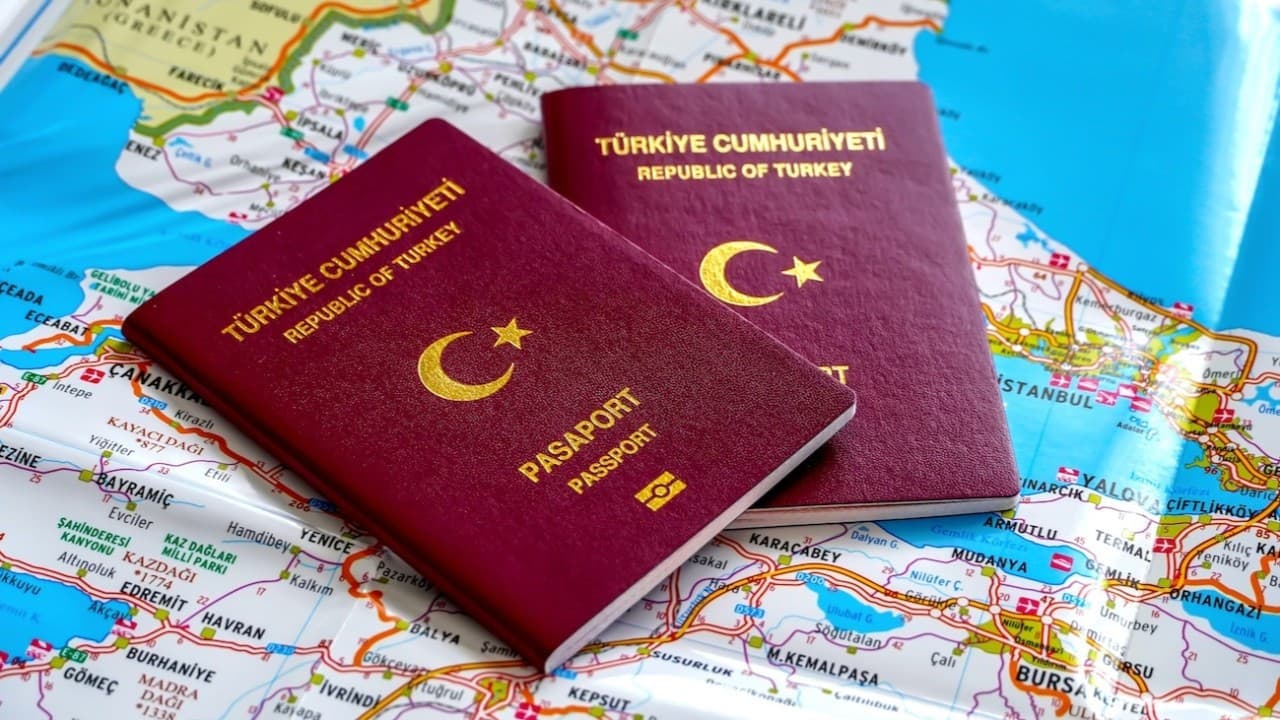
Montenegro’s Visa Reset for Turkey Signals New Trade Dynamics

Montenegro, its long‑standing visa‑free arrangement with Turkey has been set to expire, as the Balkan nation realigns its entry rules with the European Union’s Schengen framework.

EU Integration Push

Montenegro’s decision to adopt the EU‑aligned visa regime marks a critical milestone in its 2028 accession roadmap. The move is part of the 24th negotiating phase and is designed to satisfy one of the final entry criteria.

Impact on Turkish Travelers

  • Turkish citizens will need a visa to enter Montenegro from 1 November 2026.
  • The 90‑day visa‑free period was trimmed to 30 days in December 2025.
  • Current visa‑free travelers can continue until the end of October 2026.
  • Economic Ripples

  • Tourism revenue projections for 2026 are expected to decline by 5‑7 % due to reduced spontaneous visits.
  • Cross‑border trade in consumer goods may see a modest 1‑2 % contraction as travel costs rise.
  • The change could prompt a re‑allocation of marketing budgets toward digital outreach and longer‑stay packages.
  • Strategic Timing

  • The policy shift follows protests in Podgorica that prompted a temporary suspension in October 2025.
  • The government’s swift reversal on 23 December 2025 aimed to mitigate economic fallout while maintaining diplomatic goodwill.
  • Market Reactions

    Financial markets have largely muted the announcement, with Turkish lira and Euro showing negligible movement. However, analysts anticipate that regional travel stocks—particularly those linked to hospitality and transport—may experience short‑term volatility.

    As a macro‑economist focused on monetary policy, I view Montenegro’s visa realignment as a subtle but significant shift in the regional economic landscape. While the immediate fiscal impact is modest, the move underscores the broader trend of tightening border controls in an era of heightened geopolitical scrutiny. This could influence future capital flows, particularly in the tourism and service sectors, and may prompt other non‑EU states to reassess their bilateral agreements with Turkey.
    Dr. Aslıhan Demir

    Finans Analisti: Dr. Aslıhan Demir

    Makroekonomi ve Para Politikaları Akademisyeni. FED (Federal Reserve) ve TCMB tutanaklarını satır satır okuyan, faiz kararlarının güvercin (dovish) veya şahin (hawkish) tonlarını analiz eden baş ekonomist.

    Yasal Uyarı: Burada yer alan yatırım bilgi, yorum ve tavsiyeleri yatırım danışmanlığı kapsamında değildir. Yatırım danışmanlığı hizmeti, yetkili kuruluşlar tarafından kişilerin risk ve getiri tercihleri dikkate alınarak kişiye özel sunulmaktadır. Burada yer alan yorum ve tavsiyeler ise genel niteliktedir. Bu tavsiyeler mali durumunuz ile risk ve getiri tercihlerinize uygun olmayabilir. Bu nedenle, sadece burada yer alan bilgilere dayanılarak yatırım kararı verilmesi beklentilerinize uygun sonuçlar doğurmayabilir.

    © 2026 724Finance - Tüm Hakları Saklıdır.Orijinal Kaynak: Ekonomim.com