Turkey's Judicial Overhaul: Operational Shifts in Execution and Tax Litigation
Türkiye Büyük Millet Meclisi, hukuk sisteminin işleyişini ve özellikle icra-iflas süreçlerini yeniden şekillendirecek olan **12. Yargı Paketi**'ni yas
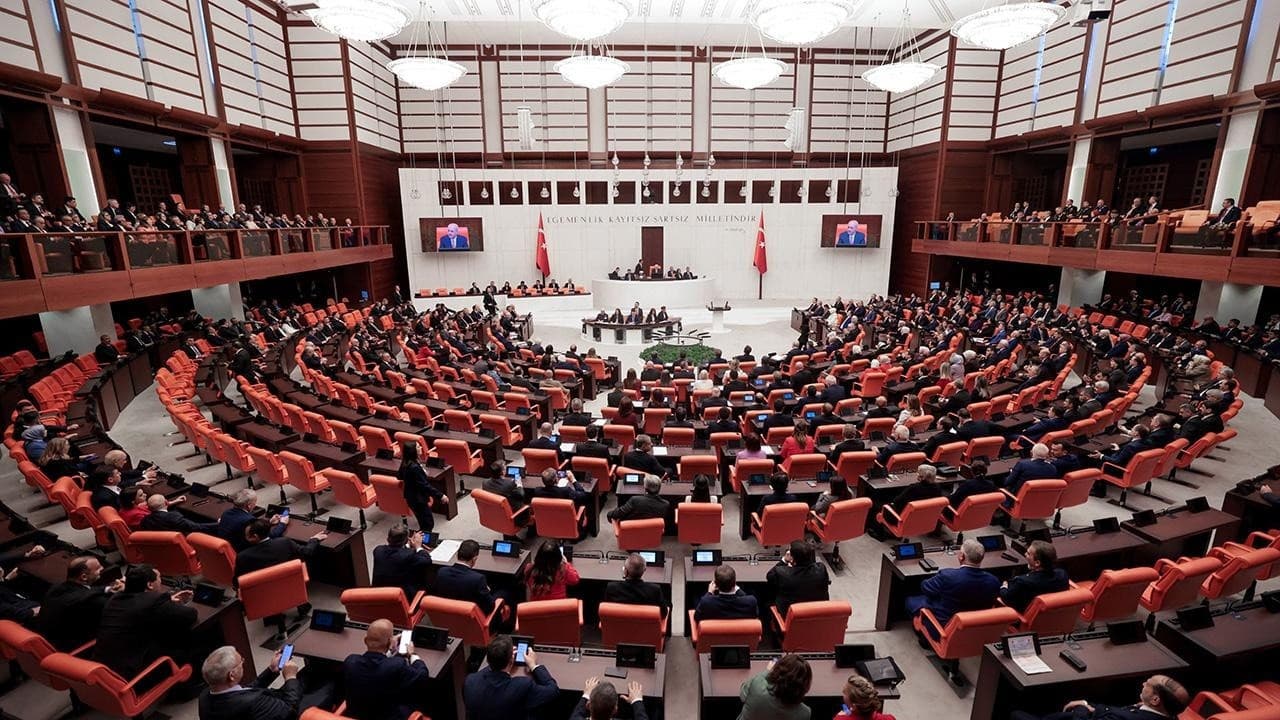
The Turkish Grand National Assembly has officially passed the 12th Judicial Package, a comprehensive legislative update designed to restructure the functioning of the legal system, specifically targeting execution, bankruptcy, and tax litigation processes.
Structural Shifts in Execution and Bankruptcy Law
Amendments to the Execution and Bankruptcy Law introduce new protocols for the sale of inherited real estate and electronic auction procedures.
Efficiency Mandates in Tax and Administrative Litigation
In an effort to alleviate judicial backlog, the legislation introduces a 'single-judge' mechanism for disputes falling below specific monetary thresholds.
Judicial Oversight and Council of State Adjustments
The package also includes structural updates to the Council of State and notary regulations. The period for reducing the number of chambers in the Council of State has been extended until July 23, 2030. Furthermore, the protocols for judicial authorities to access and inspect notary documents have been modernized to facilitate electronic transfer and secure digital signatures.
While the decision to allow single-judge rulings for disputes under 486,000 TL promises operational efficiency in clearing the judicial backlog, it presents a delicate balance regarding legal predictability. From a fiscal and public finance perspective, accelerating tax disputes could improve liquidity; however, the long-term impact on the quality of judicial scrutiny in complex financial matters remains a critical point of observation. The changes in execution law will likely have a direct impact on debt collection speeds and market liquidity.
Related News & Analysis
View All →
BİM’s April‑October Catalog: Price Shocks and Their Impact on Consumer Spending
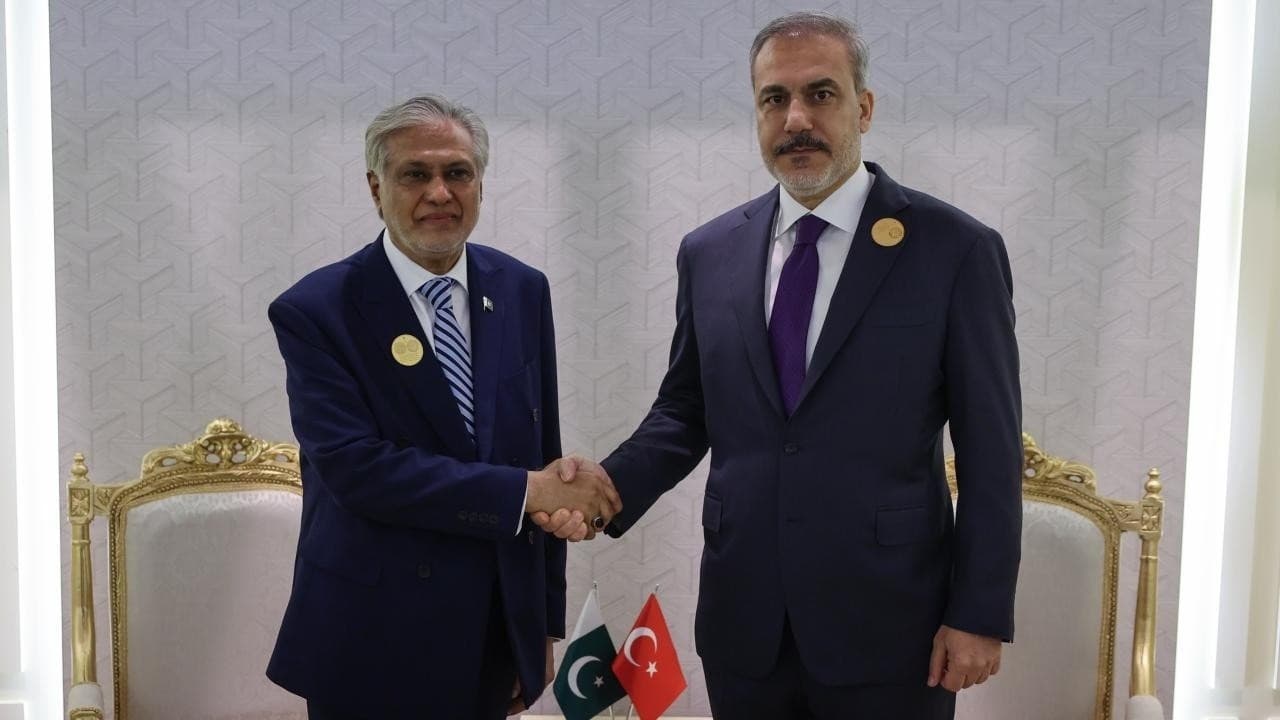
Turkish Foreign Minister Fidan Meets with Pakistani Counterpart Dar in Strategic Diplomatic Meeting
Banks Ignite Competition with Retirement Bonuses Up to 90K TL

Anadolu Efes Shakes Up the 850 Billion Dollar Beverage Titans

e-Devlet Portal Sparks Digital Revolution in Rental Contracts: Legal Framework and Market Implications
Bank Interest Rates Surge: How 500 kTL Yields 13,892 kTL in 32 Days
Latest Market News
All News →BİM’s April‑October Catalog: Price Shocks and Their Impact on Consumer Spending

Pusula Holding Boosts Liquidity and Risk Management with Up to TRY 10 Billion Katılımevim Share Purchase

Bessent’s ‘D-Day’ Iran Sanctions Threat: Dubai Banks Stay Open, Flights Persist

AKIS Real Estate Investment Co. Ltd.: The New Face of Urban Investment in Turkey

KaradenizBIRLIK Launches Sunflower Procurement Drive: 35k Tons Target and TL122M Support