Radical Shift in US Pharma Market: Trump Administration Secures Drug Price Reductions with Pharmaceutical Giants
Donald Trump yönetiminin, Amerikalıların sağlık hizmetlerine erişimini kolaylaştırma misyonu doğrultusunda, önde gelen **9** uluslararası ilaç şirketi
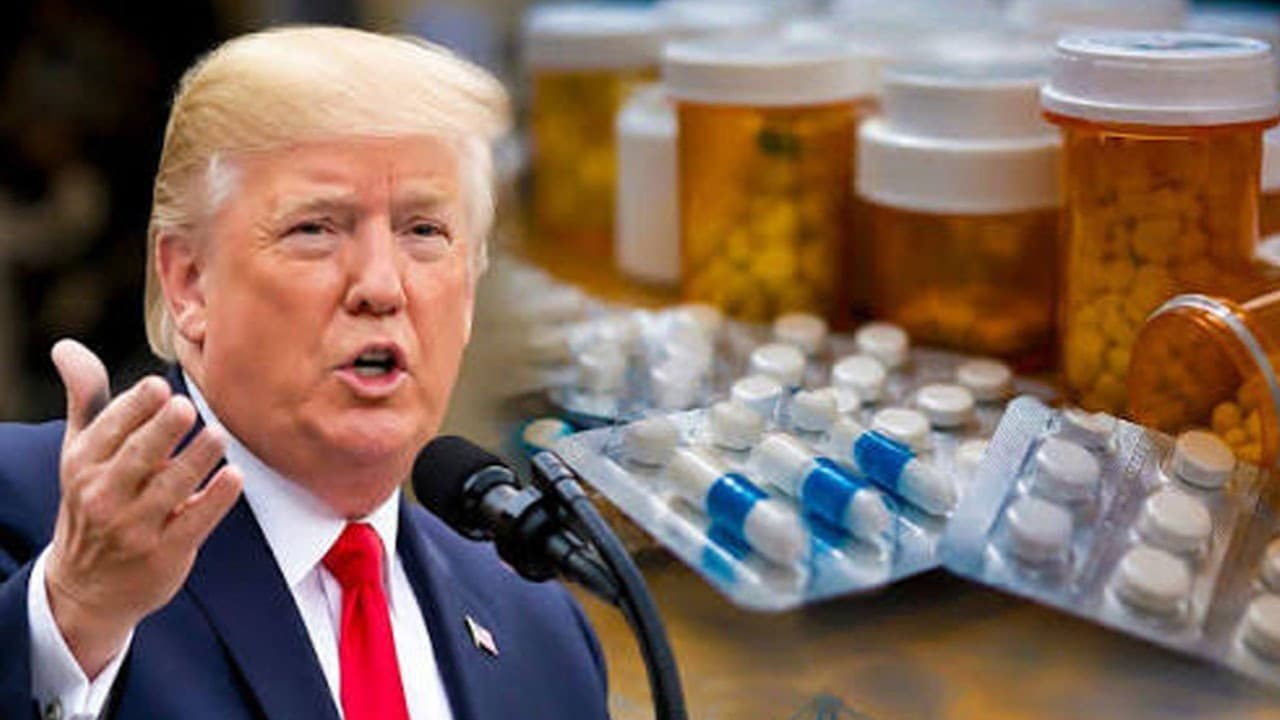
The Donald Trump administration has announced new pricing agreements with 9 leading international pharmaceutical and biotechnology firms, marking a significant step in its mission to make healthcare more affordable for Americans. This strategic move represents a key milestone in the country's efforts to combat high drug costs.
Price Reductions Targeting Medicaid Programs
These new agreements stipulate that pharmaceutical manufacturers will offer certain drugs at more favorable prices to state Medicaid programs. This initiative is part of a broader effort to reduce the cost of prescription medications, which constitute a substantial portion of healthcare expenditures.
Among the companies party to these agreements are key industry players such as Astellas, BeOne Medicines, CSL, BridgeBIO, Sun Pharmaceutical, Teva, and UCB SA.
Global Price Alignment and Trade Incentives
Given that patients in the U.S. pay approximately three times more for prescription drugs than those in other developed countries, these agreements hold strategic importance. The Trump administration aims to align U.S. drug prices with international levels by maintaining pressure on manufacturers.
The agreements operate through two primary mechanisms:
Furthermore, the agreements include provisions for the direct sale of specific medications to patients via a Trump-branded website.
Sustained Pressure and Industry Adaptation
These latest agreements are a continuation of negotiations and deals the Trump administration has pursued with 17 major pharmaceutical manufacturers since last year. Similar agreements were previously established with industry titans like Pfizer, Eli Lilly, and Amgen.
This sustained pressure compels the pharmaceutical industry to re-evaluate its pricing strategies in the U.S. market, creating a dynamic that could impact the sector's revenue models in the long run.
From a personal wealth management perspective, this development holds the potential to alleviate the burden of healthcare expenses for households. A reduction in prescription drug costs, particularly for low and middle-income citizens benefiting from social programs like Medicaid, could provide significant relief to household budgets. This situation could indirectly influence savings trends and credit card usage, enhancing individuals' capacity to pursue other financial goals. In the long term, increased predictability in healthcare spending may enable more robust steps in individual financial planning and the establishment of emergency funds. However, how the pharmaceutical sector will adapt its R&D investments or new drug development strategies in response to this situation will be a critical aspect to monitor for future medical innovations and accessibility.
Related News & Analysis
View All →
Trump's Fed Remarks: Urgent Call for Rate Cuts Amid Rising Rates

BİM's Digital Catalog Label Changes: Market Reaction Awaited

Court of Appeals Redefines Liability in Fuel Dispute: Implications for Consumer Rights

Samsun Fishing Sector: $122 Million Export and Sustainable Fishing Focus

Deniz Göktaş's Arrest: Government's New Move Against Political Incitement

Trabzonspor Fans: How Political Tensions Impact Sports
Latest Market News
All News →
Anthropic's Nvidia-Backed Lambda Deal: The Shadow of a $35 Billion Investment on Banking

Polymarket Raises $1 Billion: Trump Jr.’s 1789 Capital Invests $300 Million

Polymarket's $1 Billion Raise: 1789 Capital and Trump Jr.'s $21 Billion Valuation

Turkey's GDP Grows 2.3%: Strong Quarter for Manufacturing and Production

U.S. Debt Crisis Strengthens Bitcoin's Bull Case: Call Options at $80K-$100K Cross $10 Billion in Notional OI