
Geopolitical Risk Peaks on US-Iran Front: Strait of Hormuz Trade Under Threat
724FinanceKerem Tufan
Key Highlights
Küresel finansal piyasalar, ABD Merkez Kuvvetler Komutanlığı'nın (CENTCOM) İran'a yönelik askeri operasyonları ikinci dalgaya taşımasıyla birlikte, so
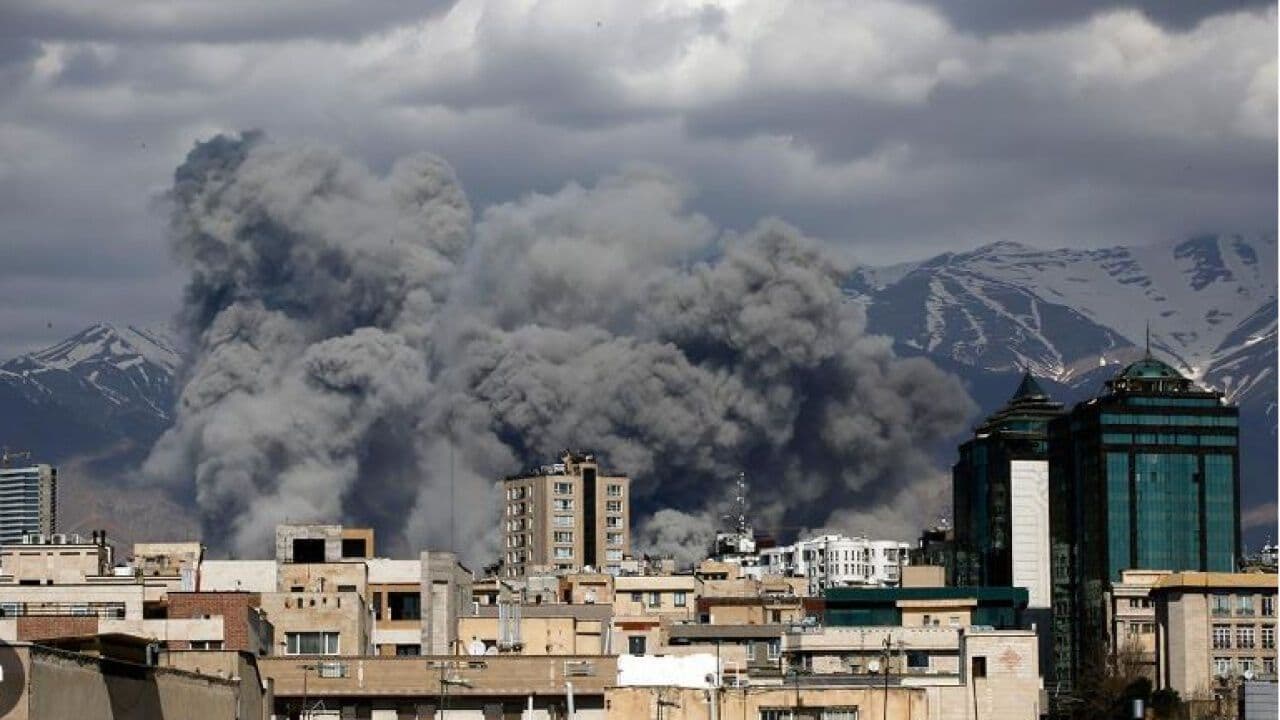
Global financial markets are facing one of the harshest geopolitical risk shocks in recent times as the US Central Command (CENTCOM) launched a second wave of military operations against Iran. The new offensive, initiated around 22.00 local time under the direct order of President Donald Trump, targets military capabilities that threaten maritime traffic in the Strait of Hormuz, one of the most critical arteries of global trade. This development brings a scenario expected to suppress risk appetite abruptly by increasing volatility in commodity prices.
Escalating and Firm Message from Washington
The operations conducted by the US military throughout the day signal a pressure strategy rather than a singular strike. According to official statements from CENTCOM and posts on social media accounts, the timing and objectives of the operations can be summarized as follows:Risk of Blow to Energy Supply Chains and Trade Routes
The Strait of Hormuz is positioned as a chokepoint where a significant portion of the world's oil supply must pass to reach global markets. Any military conflict or tension in this region has the potential to directly impact freight rates and energy costs. Market players have already begun pricing in scenarios of sharp rises in crude oil prices and disruptions in supply chains should the strait close or transit become hazardous.Re-pricing of Risk Premiums
Such geopolitical tensions create selling pressure on emerging market currencies and risky assets while boosting demand for safe havens. Investors are shifting towards moves to protect their portfolios against the potential of the regional conflict spilling over into the global economy. Central banks facing such a cost shock while battling inflation adds uncertainty to the trajectory of monetary policies.The materialization of geopolitical risks to this extent will not only create short-term volatility in financial markets but also establish a structural pressure that will spill over into the real economy through commercial credit costs and insurance premiums. As Kerem Tufan, I assess that this tension in the Strait of Hormuz is a harbinger of a period where energy importers face a cost shock and the banking sector re-prices operational risks. SMEs, in particular, will need to keep their liquidity tight to manage the rise in input costs.
Related News & Analysis
View All →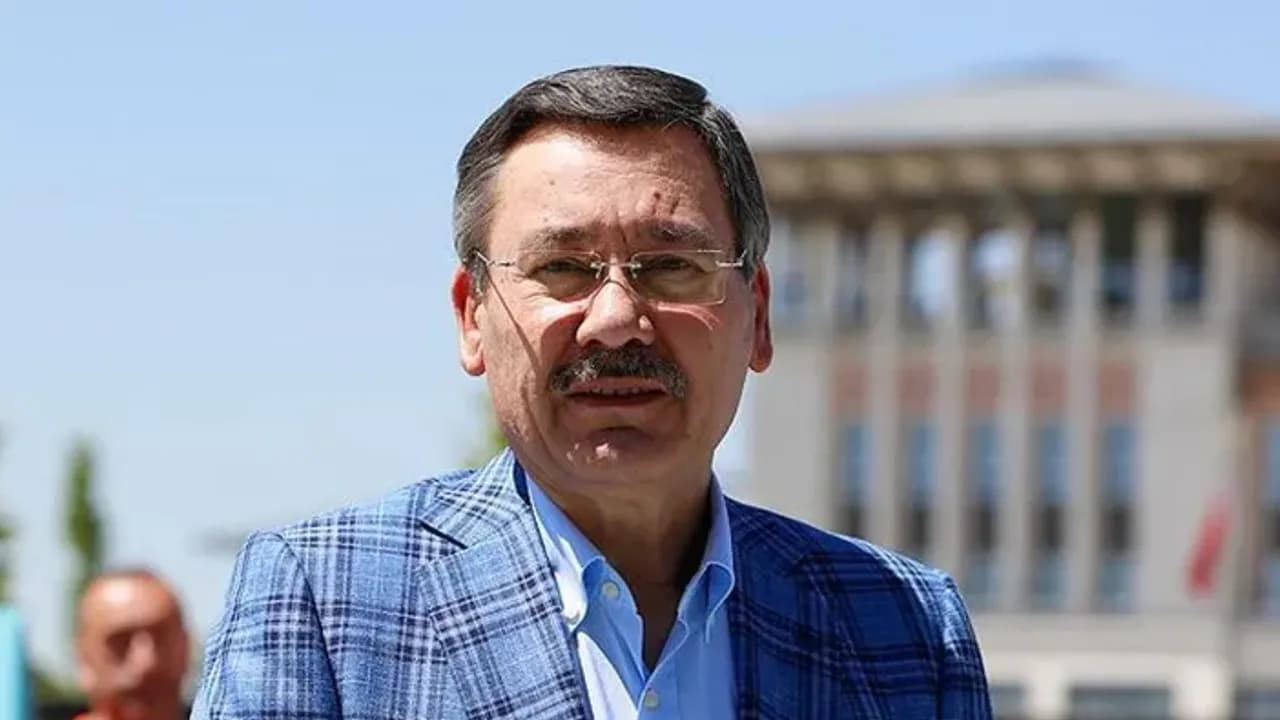
Melih Gökçek Under Investigation: Allegations of Offshore Fund Transfers Stir Scrutiny

BIS Leader Warns: Stablecoins Unfit as Payment Instruments

Heavy Data Calendar Sets Course for Turkey’s Economy
Tera Portföy's Aggressive Capital Expansion: A 40 Billion TL Vision
Warner Bros Discovery Single-Control Approval: Conditions and Market Impact

New Investment Rules for DASK Funds: Risk Reduction and Yield Enhancement Strategies
Latest Market News
All News →
EU Targets Airbnb-Style Holiday Rentals, Tightening Rules for Tourist Hotspots

Europe’s Summer Drought Intensifies Desertification Threat: Ripple Effects on Logistics and Financial Markets
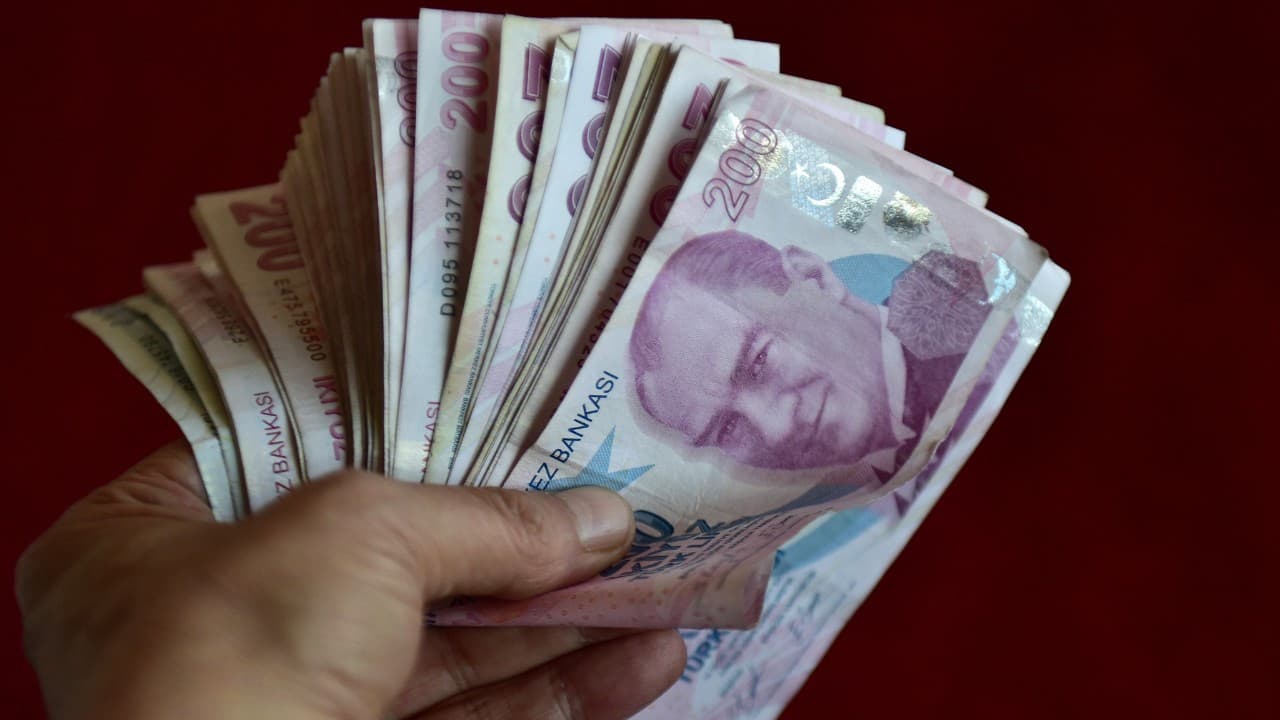
Bank Interest Rates Surge: How 500 kTL Yields 13,892 kTL in 32 Days

AVICI Token Crushed by Hack: 49% Drop in 24 Hours Sparks Market Turmoil

Bitcoin Stalls on Fed Rumble, Long‑Term Bullish Signals Persist
